


Lost Rental Income After Property Damage: Records Landlords Should Keep
Support a lost-rental-income claim with leases, payment history, unit condition, repair timing, and records of expenses and credits.
THE NORTHEAST JOURNAL
Practical guides. Informed decisions.
Advice for the moments that matter, from the public adjusters on your side.
A step-by-step guide to filing a fire damage insurance claim in New York City: securing your property, documenting the loss, understanding Reg 64 deadlines, and avoiding the mistakes that shrink settlements.
A LITTLE KNOWLEDGE GOES A LONG WAY
55 articles to help you move forward
Support a lost-rental-income claim with leases, payment history, unit condition, repair timing, and records of expenses and credits.
Build a useful property-claim timeline with dated events, document links, action owners, and clear distinctions between facts and estimates.
Read a property-claim denial by separating the decision, policy language, factual findings, missing evidence, and available next steps.
Document commercial water damage across the building, inventory, emergency work, and interrupted operations with clear records for each part.
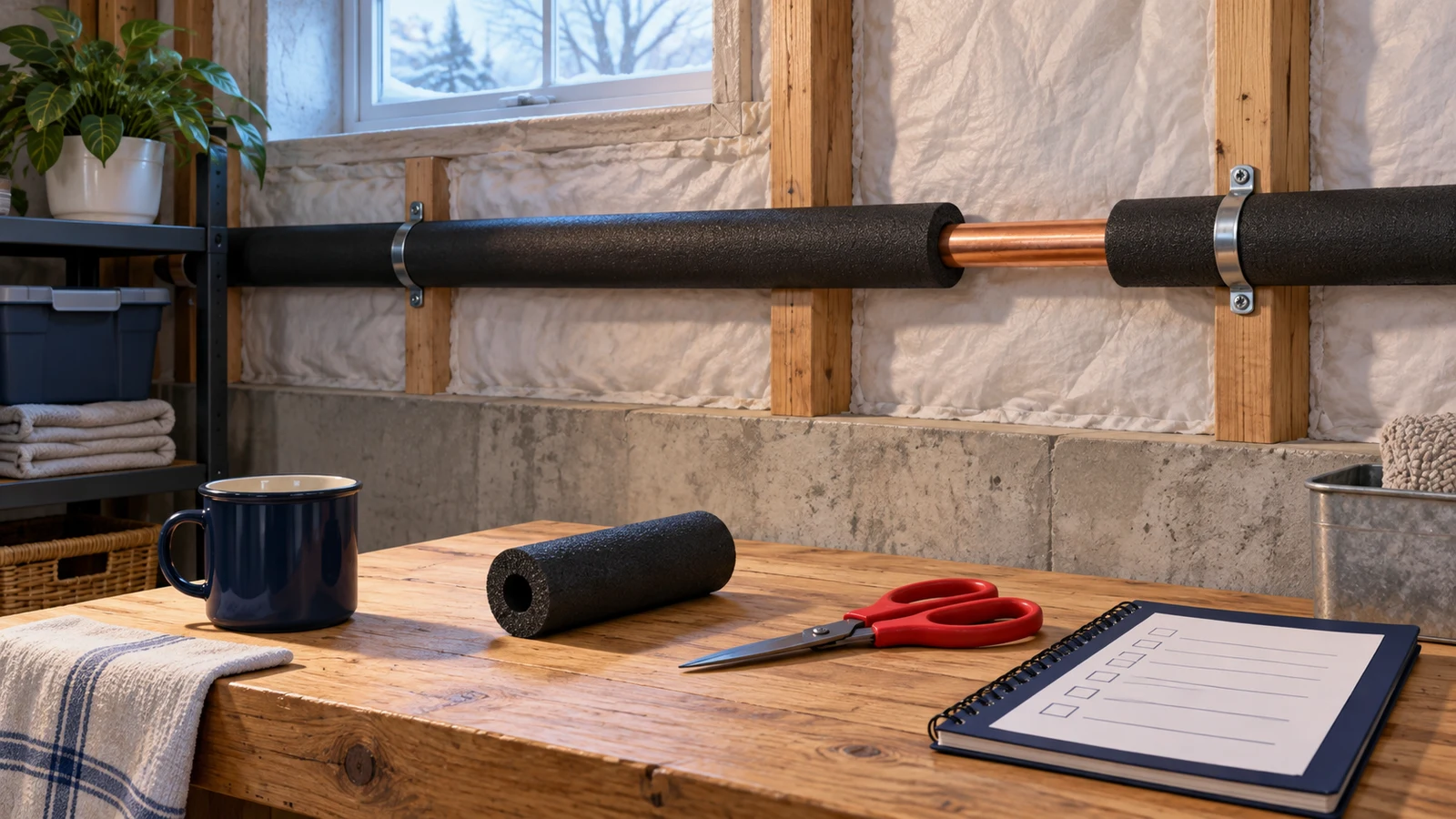
Close a Northeast seasonal home for winter with a professional systems plan, documented checks, and questions about vacancy and policy conditions.
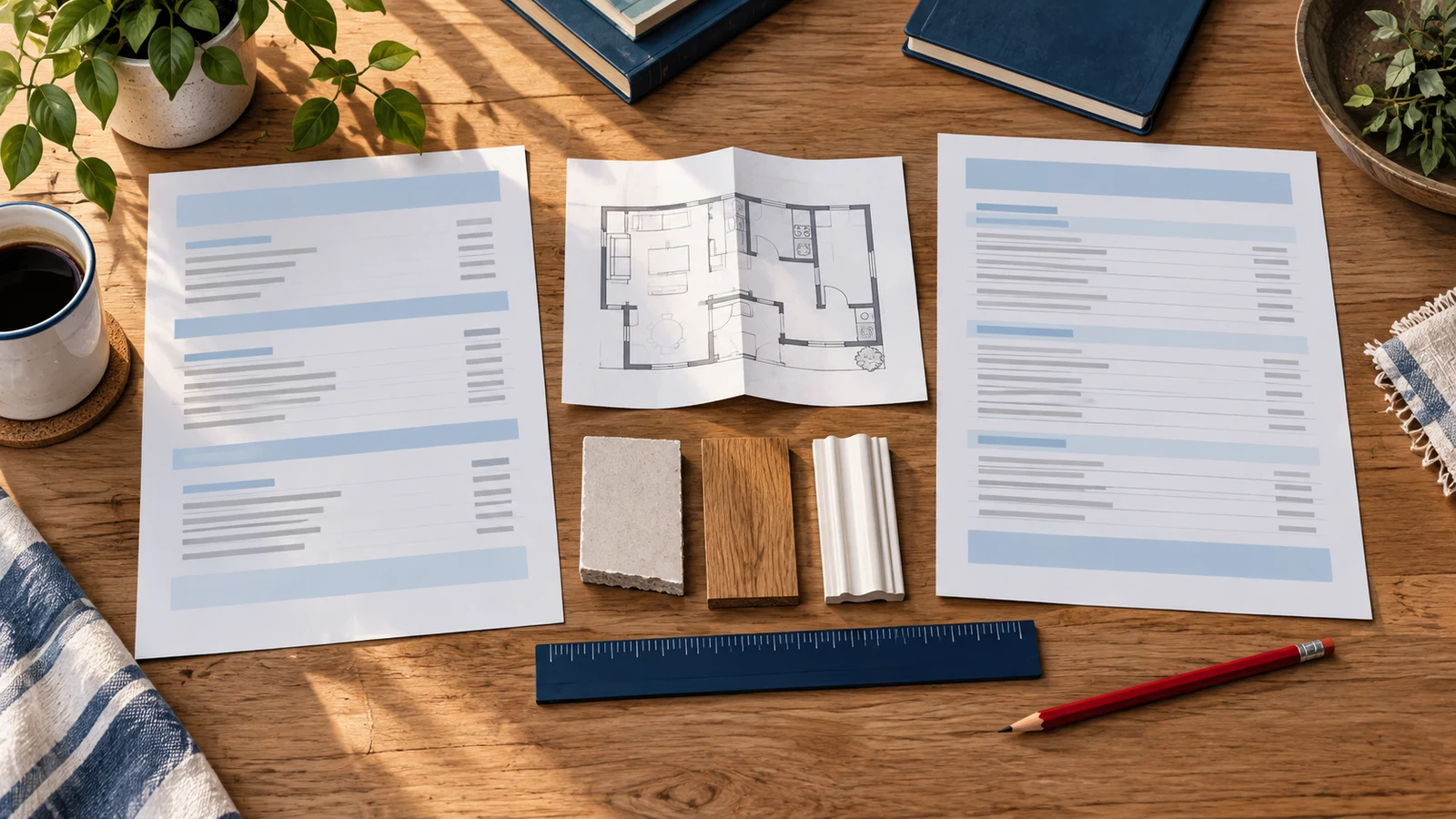
Review restoration agreements for scope, pricing, change orders, payment duties, documentation, and the difference between emergency and permanent work.
Learn how a proof of loss differs from initial claim notice, what to check before signing, and how to track the policy's submission requirements.
Organize invoices, completed-work photos, payment records, and item details when requesting recoverable depreciation under your policy.
Understand why a mortgage servicer appears on an insurance check and which documents to request before planning repair payments.
Create a clear wind-damage record for siding and windows using elevation photos, interior observations, material details, and repair estimates.
Track temporary housing and other additional living expenses after a covered loss with a clear baseline, receipts, and insurer communications.
After a leak, review mold-related coverage, documentation, limits, and cleanup questions while protecting health and preventing further damage.
Prepare a Northeast small business for winter with accessible records, protected inventory, clear responsibilities, and practical coverage questions.
A November 5 fire on 58th Street in Sunset Park, Brooklyn, killed six people. Watch our video update and find practical steps for affected residents.
Read water-damage drying reports with confidence: locations, readings, equipment days, removed materials, and the evidence supporting completion.
A stopped leak can leave concealed moisture. Learn which observations, professional findings, and repair records help document Northeast water damage.
After a frozen pipe bursts, protect people, stop further damage safely, document affected rooms, and organize emergency repair records.
Document furnace puffback soot with room photos, service records, contents inventories, and a clear cleanup scope for a Northeast property claim.
Prepare Northeast homes for freezing weather with a pipe checklist, maintenance records, and questions about vacant-home coverage.
Document Halloween vandalism safely with scene photos, item details, security records, professional cleanup findings, and repair receipts.
Support a burglary claim with photos, account history, serial numbers, gift records, and a clear list when original receipts are missing.
Ask informed questions about ordinance or law coverage, documented code requirements, and repair estimates for an older New York home.
Prepare for a property inspection with a room list, safe access plan, organized evidence, and focused questions about unresolved damage.
Compare contractor and insurance repair estimates by scope, materials, quantities, labor, and documented conditions instead of totals alone.
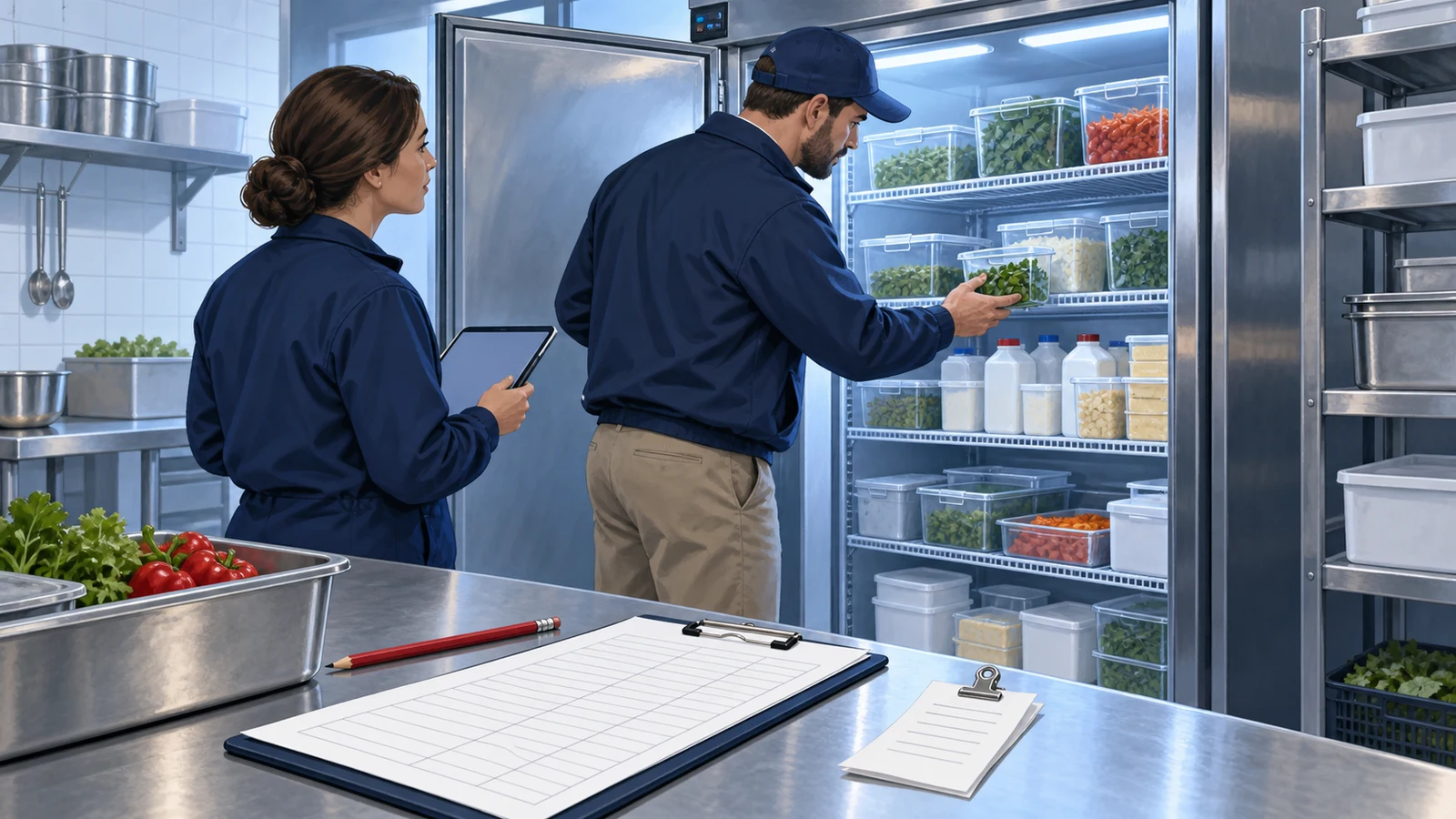
Document restaurant food spoilage with temperature records, stock counts, invoices, equipment findings, and safe disposal documentation.
Gather sales, expense, payroll, closure, and repair records to support a business interruption claim after property damage.
Organize condo water damage records and ask the right questions about unit coverage, association insurance, ownership, and assessments.
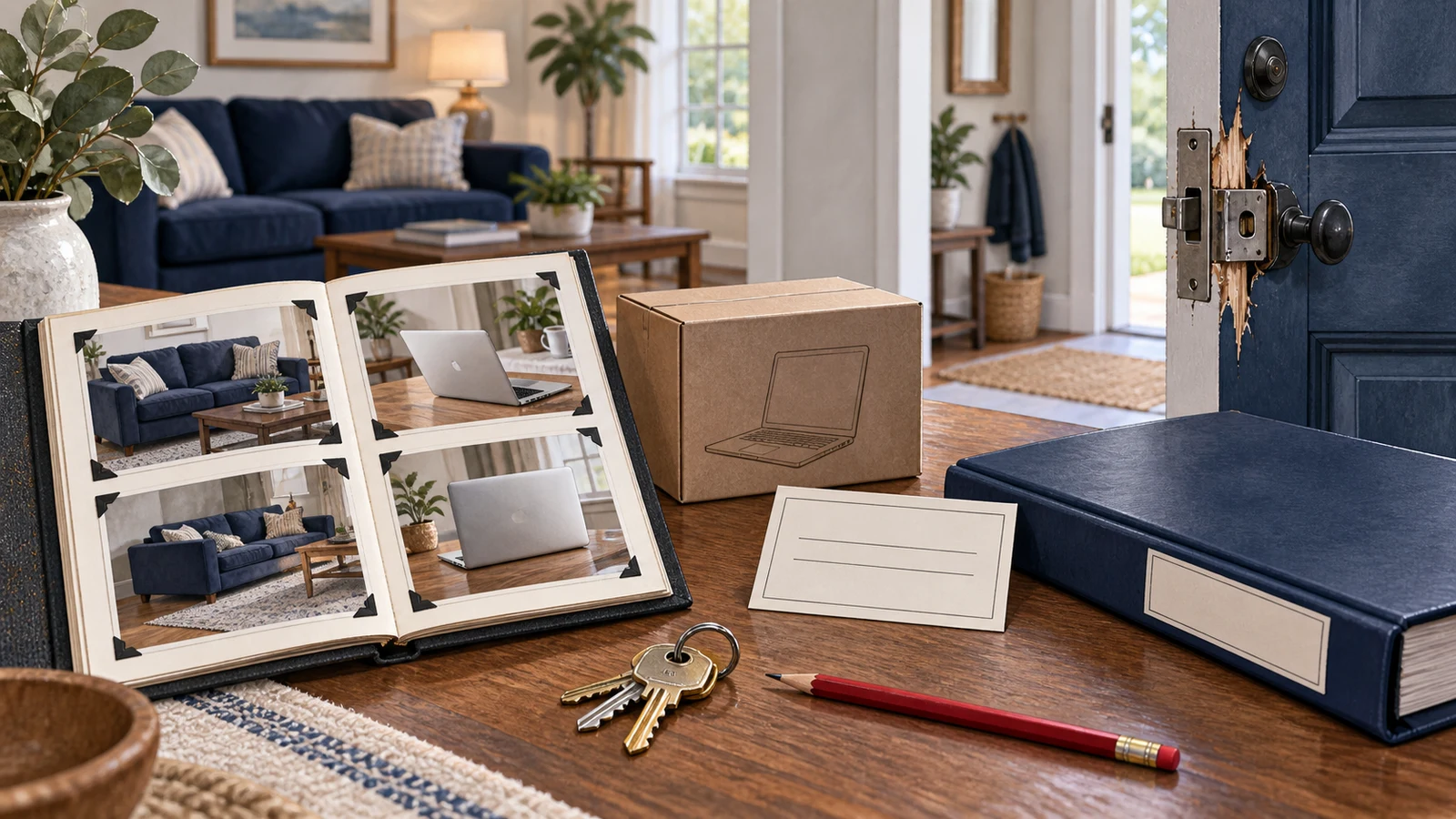
Clarify reporting, ownership, access, belongings, repairs, and temporary arrangements after damage to a rental property.
Find sewer and drain backup provisions, limits, deductibles, and exclusions, and learn which records matter after a backup.
Understand how professionals investigate basement water, and what observations, system records, and photos help explain the source.
Keep useful emergency roof-tarping records: pre-work photos, location details, contractor scope, itemized invoices, and follow-up observations.
Learn which observations and maintenance records help professionals distinguish drainage problems from storm-related damage after a leak.
Gather safe photos, tree-removal details, building damage records, and ownership information after a fallen tree affects your property.
Create a useful roof-leak record with interior photos, professional roof findings, prior records, and a clear repair scope after a storm.
Learn why the path and source of storm water matter, and which photos and professional records can support a water damage claim.
Learn why a water loss timeline, professional cause findings, and policy wording matter when a claim involves sudden and accidental damage.
Understand replacement cost, actual cash value, and depreciation, including the records that may be needed after property damage.
Learn how fixed and percentage deductibles can affect a property claim, with clearly labeled examples and questions for your insurer.
Find insured names, locations, limits, deductibles, and endorsements on your declarations page—and know when to read the full policy.
Understand temporary protection and permanent restoration, with examples of the records to keep for each part of a property claim.
Document commercial kitchen fire damage with equipment schedules, ownership records, restoration findings, and clear repair responsibilities.
Understand the main stages of a house fire claim, from reporting and inspections to repair estimates, contents records, and final paperwork.
Create a clear record of fire-damaged belongings before safe disposal, with item details, photographs, and professional findings.
Document water extraction, affected rooms, materials, contents, and drying work after firefighters have controlled a property fire.
Learn what to record when smoke, soot, or odor appears beyond the room where a fire started, and what to ask restoration professionals.
Build a useful home inventory with room photos, item details, purchase evidence, and a secure backup you can reach after a loss.
Use wide views, close details, room labels, and original files to create useful property damage photos for an insurance claim.
A practical first-day property damage plan: get safe, report the loss, document conditions, and keep records of emergency work.
Learn how a public adjuster helps a homeowner document a property loss, review estimates, and communicate with the insurance company.
Check drainage, heating, plumbing, and property records before cold weather, with a practical fall checklist for Northeast homeowners.
Learn what a public adjuster does, when help may be useful, and what to check before hiring one for a home or business property claim.
A step-by-step guide to filing a fire damage insurance claim in New York City: securing your property, documenting the loss, understanding Reg 64 deadlines, and avoiding the mistakes that shrink settlements.
How coastal New York homeowners should handle hurricane and flood claims: wind vs. flood coverage, hurricane deductibles, NFIP rules, and documentation that protects your settlement.
State-by-state insurance claim timelines for New York, New Jersey, Connecticut, and Pennsylvania: how fast insurers must acknowledge, investigate, and decide property claims, and the deadlines policyholders can't miss.
The three types of insurance adjusters explained: company adjusters, independent adjusters, and public adjusters. Who pays each one, what they're licensed to do, and when hiring your own representation makes sense.
Try a different search or explore another topic.
Every loss is different. Get a free claim review from our public adjusters.