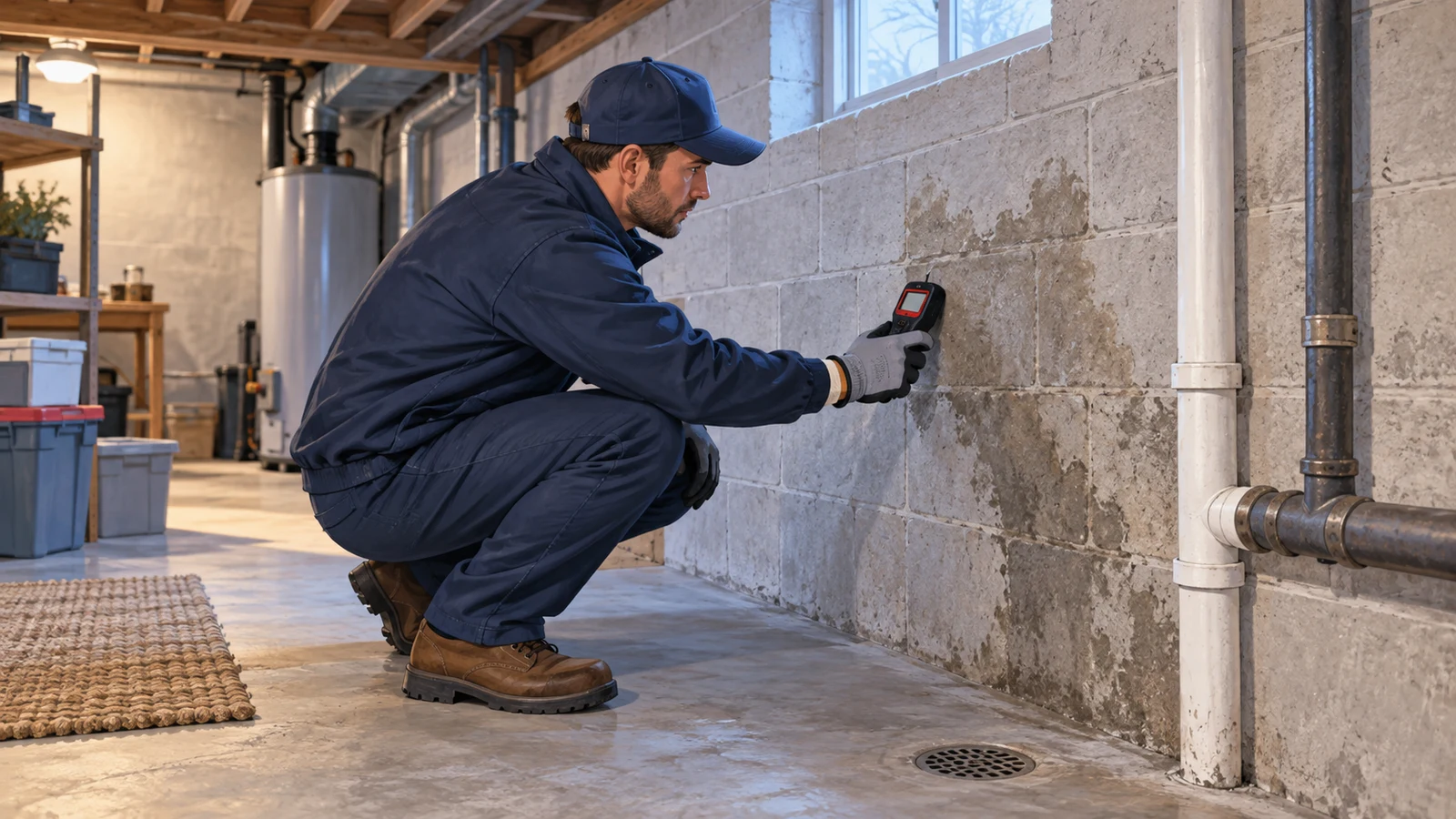


A pipe in a warm kitchen and a pipe behind that kitchen's exterior wall can experience very different temperatures. Before the first sustained freeze, walk through the places where plumbing meets unheated space. The goal is to find vulnerabilities while a plumber or heating contractor can address them without an emergency.
State Farm reported more than 20,000 freeze-related water-damage claims nationally from 2024 through June 2025. Its figures include several forms of freezing damage, not just burst supply pipes, and represent one insurer's experience. They nevertheless show why a small maintenance issue deserves attention. State Farm claims report
Start with the building's cold spots
Consider this illustrative situation: a Pennsylvania homeowner renovates a kitchen but leaves a supply line running through an older, poorly heated wall cavity. The occupied room feels comfortable, while a draft reaches the pipe behind the cabinets. A room thermostat alone may not reveal that exposure.
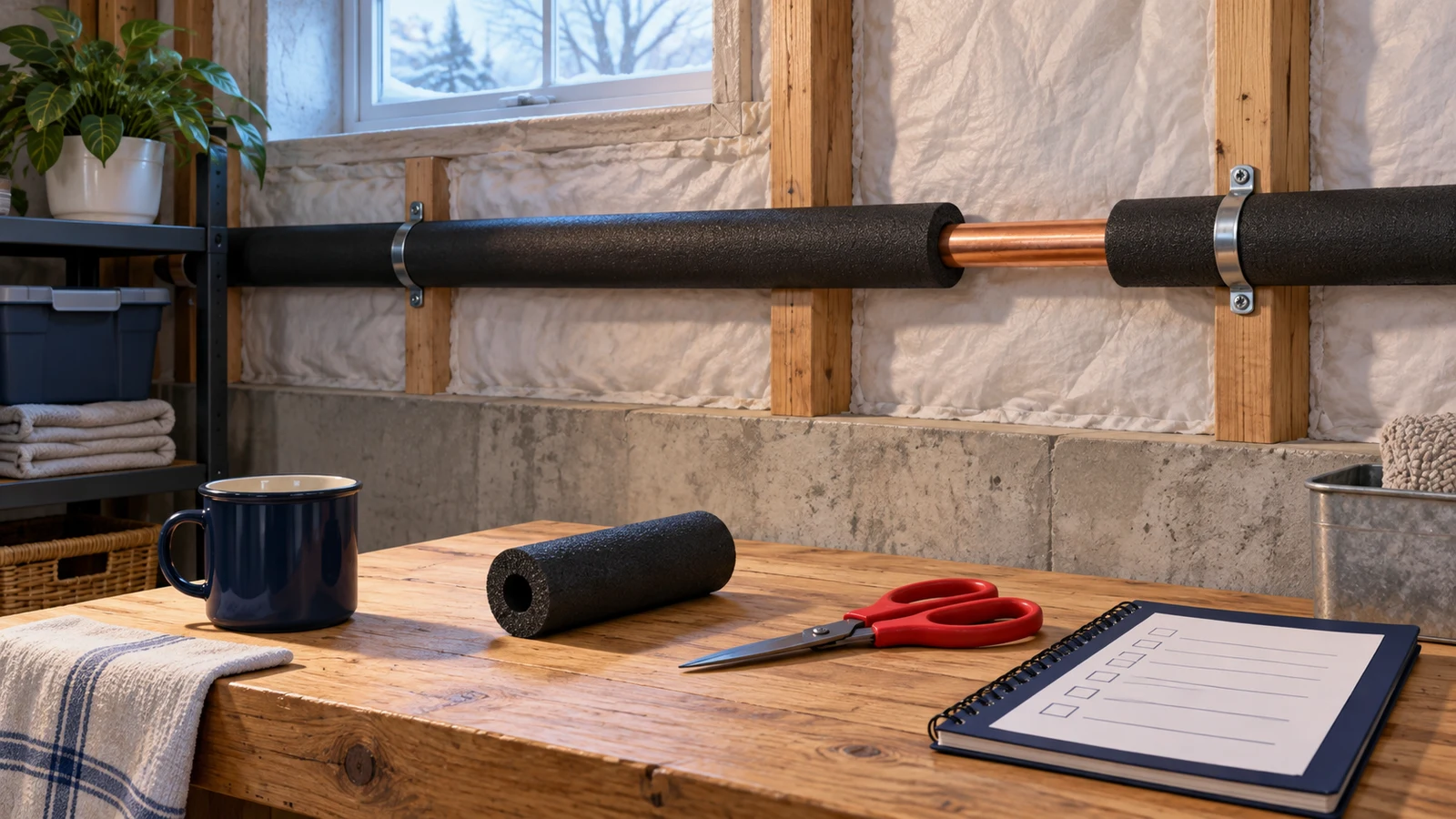
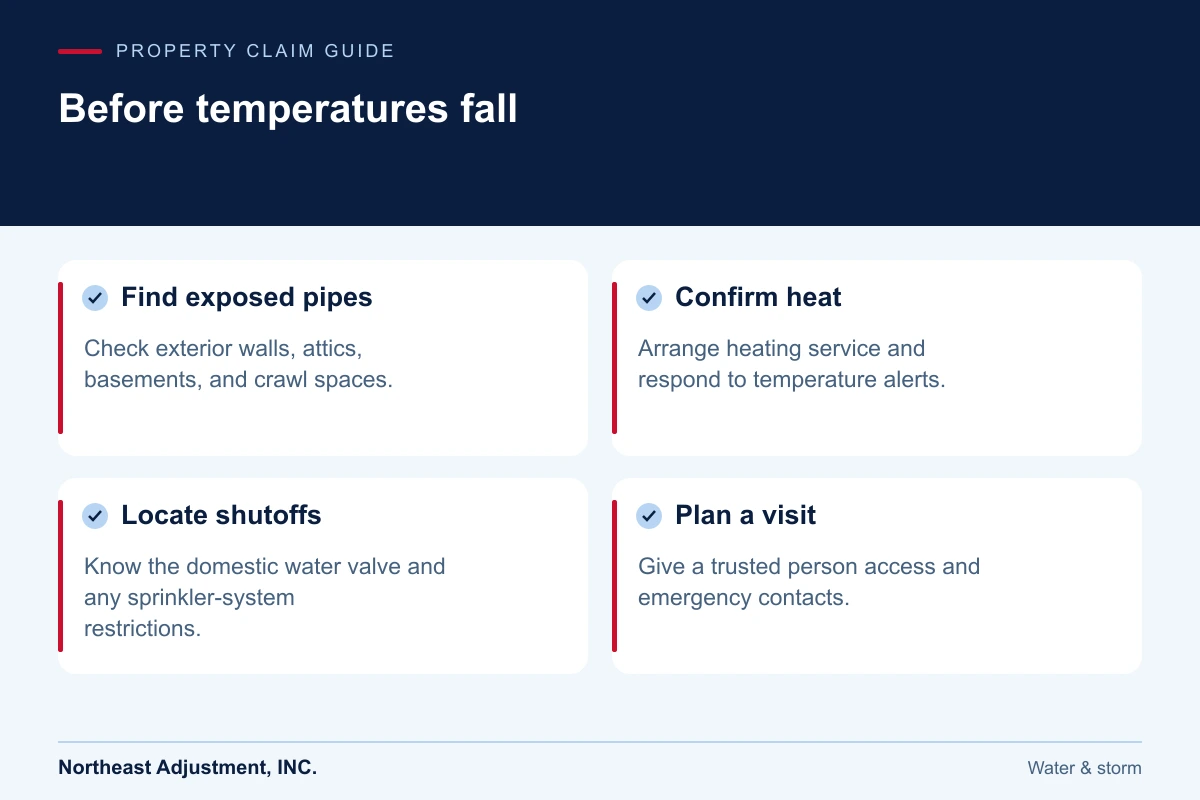
Look for plumbing in an attached garage, crawl space, attic, exterior wall, basement entry, or under a sink. Note which locations have been troublesome before. Photograph accessible conditions without opening walls or climbing into unsafe spaces. Ask a qualified professional whether insulation, air sealing, pipe relocation, or another correction is appropriate.
The NAIC's frozen-pipe guidance recommends addressing vulnerable plumbing and maintaining the home. Keep the work order and invoice together so you can explain what was inspected and corrected.
Check heat, water, and access
Use this preparation checklist:
- Service the heating system. Confirm operation before cold weather, including any zone serving plumbing.
- Disconnect and winterize outdoor connections. Follow the equipment manufacturer's instructions or have a plumber handle unfamiliar arrangements.
- Identify the domestic water shutoff. Label its location and make sure responsible adults can find it.
- Consider monitoring. A temperature or leak alert only helps if somebody receives it and can act.
- Clear access. Move stored belongings away from valves, electrical panels, and equipment service areas.
- Arrange a property check. A trusted contact should know when to call you and whom to contact if heat fails.
Domestic plumbing and fire-sprinkler systems may share connections. Do not close valves without understanding what they serve. Sprinkler protection requires its own professional planning.
Match the plan to how the property is used
A year-round home, a weekend cottage, and a building undergoing renovation need different arrangements. Tell your agent or insurer how the property will actually be occupied. Ask what the policy requires if the home is vacant or unoccupied, and whether maintaining heat or draining particular systems is necessary.
Avoid relying on a neighbor's thermostat setting as a universal insurance rule. Policy terms, pipe location, weather exposure, and the heating system all matter. A professional winterization plan should identify what remains supplied with water and what has been drained.
For an illustrative Connecticut weekend property, the plan might include an oil-delivery check, a heating-service contact, indoor temperature alerts, and an authorized person who can enter. Record the dates of visits and any problems discovered. That creates a useful maintenance history without pretending monitoring eliminates risk.
Build a small winter records folder
Save the heating invoice, plumber's notes, photos of completed work, monitoring instructions, and emergency contacts. Keep a copy accessible from your phone. Include the policy number and claims-reporting information.
If damage occurs, report it promptly and document it safely. A maintenance folder can help explain the condition of the home before the event, but it does not establish coverage by itself. The cause of the damage and the policy still need review.
Common questions
Does pipe insulation guarantee that pipes cannot freeze?
No. Insulation is one part of preparation. Prolonged cold, air leaks, loss of heat, and the building's layout can still create exposure.
Should I turn the water off whenever I travel?
Ask a plumber about your system and check the policy. Boilers, appliances, and sprinklers can complicate a blanket shutoff instruction.
What if a faucet stops flowing during a freeze?
Treat it as a possible plumbing problem. Contact a plumber, avoid open flames, and keep clear of water near electricity.
Find more preparation advice in our property-claim articles. If freezing has already damaged your property, contact Northeast Adjustment to discuss the documentation and policy questions involved.