

Connecticut Mold Damage Insurance Claims

Northeast Adjustment, INC. helps Connecticut policyholders whose mold claims stall on causation, caps, or a humidity excuse. We trace the growth to the water event that started it, document the drying effort, and press the claim with the insurer.

Icon check mark
Connecticut mold claims reviewed free
Icon check mark
Growth traced to its water source
Icon check mark
Humid-season drying documented
A+ Rating
on BBB
Better Business Bureau
Over 50+ Years of
Combined Expereince
Free consultation
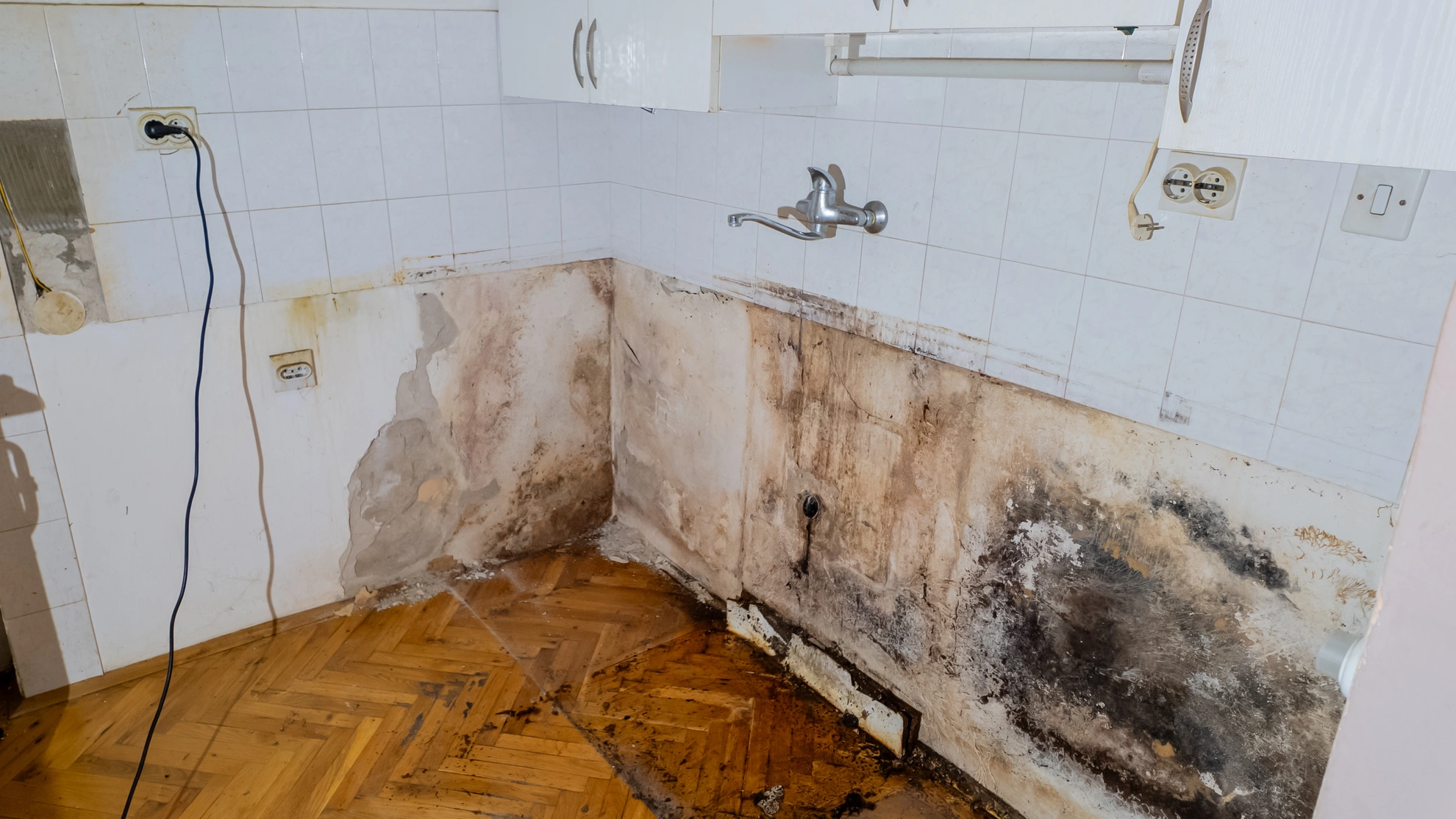
kitchen mode behind walls and tiles
Our Process
1
We personally inspect your property and establish the true value of your loss

We walk the property with you, document every affected area, and evaluate inventories, so your loss is on paper before the insurance company puts a number on it.

2
We arrange your temporary housing while you are out of your home

We take over your hotel bill and actively look for a house or apartment rental. Families are often out of their home for a year, this is the in-between living while the claim is settled with the insurance company.

3
We serve as your direct liaison with the insurance company

Every call, inspection, and negotiation goes through us. You never have to argue with an insurance adjuster or chase paperwork on your own.

4
We’ll ensure you receive the Maximum compensation

We negotiate the settlement against your full documented loss, not against the first offer the insurance company puts in front of you.

Request free claim review
Why mold damage claims in Connecticut are different

Connecticut hands mold both things it needs, warmth and moisture. From late May the Bermuda High pushes warm humid tropical air north into the state, summers run hot and humid statewide, and heat waves reach 90 to 100 F. The 106 F state record, set in Danbury in July 1995, caps a season in which wet materials struggle to dry.

Moisture is just as steady. Connecticut has no month dry enough to bail out a slow roof drip or a damp foundation wall. On the coast, milder winters bring rain rather than snow, and a cold-season intrusion there can sit unnoticed until spring warmth turns it into visible growth.

Growth that follows snowmelt or storm water is generally judged by the water event behind it: mold traced to a covered sudden loss tends to be adjusted with that loss, while growth pinned on seepage or surface water may hit exclusions, depending on the policy. Moisture readings and dated photos from the first days carry that argument later.

Caps, exclusions, and denial tactics common to every mold claim are covered in our mold damage claim guide; below is the Connecticut layer.

How mold losses take shape in Connecticut

Three patterns driven by Connecticut weather.

Snowmelt that comes back as mold

Late-winter melt pushes water into a foundation wall or under flooring, the surface dries, and growth appears once warm air arrives. Whether it is claimable generally depends on how the policy treats the original water event, so the melt date, entry point, and first drying steps need to be on paper.

The shoreline leak that winters over

Milder coastal winters deliver rain instead of snow, and a roof or flashing failure during a January storm can soak insulation in a lightly used house. By the time the smell gives it away in spring, the insurer wants proof of when the water got in. Service records and dated photos supply it.

Drying that loses the race to summer air

After a June pipe failure the rooms are opened and fanned, but with humid tropical air over the state, materials give up moisture slowly. If mold appears anyway, the equipment logs and daily moisture readings from that effort separate a diligent policyholder from a neglect argument.

Connecticut deadlines that matter

Connecticut paces claim handling with a standard instead of a stopwatch. Conn. Gen. Stat. § 38a-816 lists the failures that count as unfair practices: not acknowledging a claim with reasonable promptness, not investigating promptly, and not attempting a prompt, fair and equitable settlement where liability has become reasonably clear. The Connecticut Insurance Department enforces those standards through market conduct actions and consumer complaints. Mold files drag when causation is contested, so log every call and letter with dates and measure the insurer's pace with our Connecticut claim deadline guide.

How we handle a Connecticut mold damage claim

Connecticut licenses public adjusters, both individuals and business entities, through the Connecticut Insurance Department. Our team runs Connecticut mold claims from the Forest Hills, Queens office: policy review, a causation record, the remediation and reconstruction estimate, and the negotiation itself. The Connecticut public adjuster page covers the full service area.

A mold file usually inherits its fate from an earlier loss. If plumbing or an appliance put the water in the building, start at our Connecticut water damage claims page. If wind or rain breached the roof, Connecticut storm damage claims maps that route. And when an outage shut down a sump pump or dehumidifier and let moisture build, see our Connecticut power outage claims page.

FAQs
How fast can mold take hold after a summer water intrusion in Connecticut?
Can mold found in spring be tied to a Connecticut water loss from the winter?
The insurer blames Connecticut humidity rather than my water loss. Does that argument win?
My policy pays only a few thousand dollars for mold. Is that all the claim is worth?
My Connecticut mold claim was already denied. Is a review still worth it?
Still have questions?
Get in touch with our friendly support team.
Get in touch
Our loyalty is to you, not your insurance company.
Thank you! A team member will be in touch shortly.
Oops! Something went wrong while submitting the form.
Don't settle for less, maximizing your compensation is our priority.