
New Jersey Mold Damage Insurance Claims

Mold in a New Jersey property is usually the tail end of a water loss the policy may already cover. Northeast Adjustment, INC. reviews underpaid, capped, and denied mold claims across the state and builds the record connecting the growth to its cause.

Icon check mark
Mold claim help across New Jersey
Icon check mark
Growth traced to the original water event
Icon check mark
Drying and moisture records built fast
A+ Rating
on BBB
Better Business Bureau
Over 50+ Years of
Combined Expereince
Free consultation
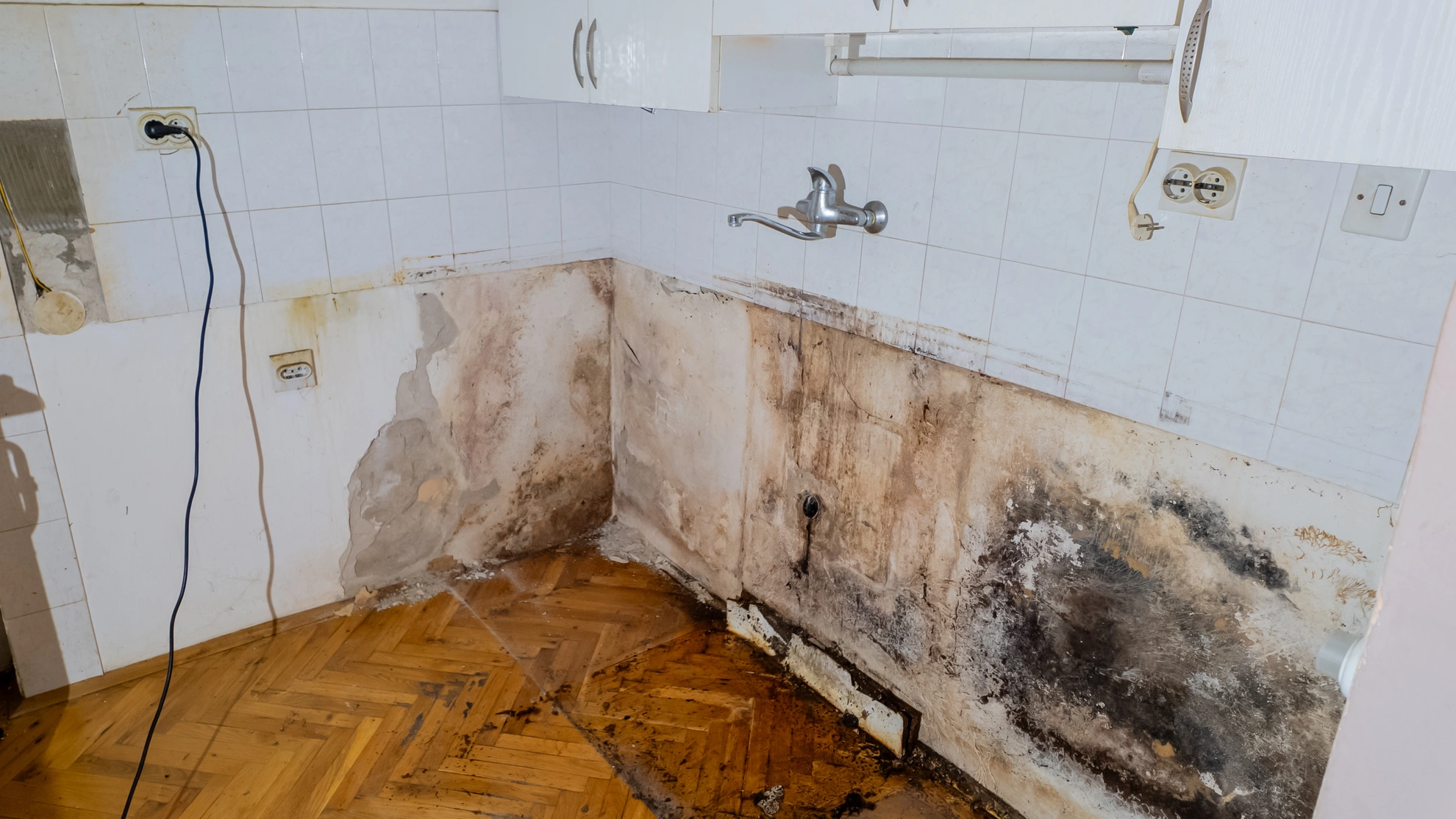
kitchen mode behind walls and tiles
Our Process
1
We personally inspect your property and establish the true value of your loss

We walk the property with you, document every affected area, and evaluate inventories, so your loss is on paper before the insurance company puts a number on it.

2
We arrange your temporary housing while you are out of your home

We take over your hotel bill and actively look for a house or apartment rental. Families are often out of their home for a year, this is the in-between living while the claim is settled with the insurance company.

3
We serve as your direct liaison with the insurance company

Every call, inspection, and negotiation goes through us. You never have to argue with an insurance adjuster or chase paperwork on your own.

4
We’ll ensure you receive the Maximum compensation

We negotiate the settlement against your full documented loss, not against the first offer the insurance company puts in front of you.

Request free claim review
Why mold damage claims in New Jersey are different

Mold is a moisture problem, and New Jersey summers supply the moisture. The state sees about 25 days above 90 F each summer, above 100 F in some years, and in air that humid a wet building does not dry on its own. Hygrometer readings, equipment run times, and a dated photo trail are what later prove the drying effort was real.

The warm season is also stretching. NOAA climatology identifies New Jersey as the fastest-warming state by average air temperature over a 100-year period, with the Jersey Shore's coastal waters among the fastest-warming urban ocean shorelines in the world. Longer humid stretches generally widen the window in which a missed pocket of dampness can become a claim.

Yet the loss behind the mold usually happened earlier, in colder weather. A pipe that froze and split in January, or nor'easter rain that got past damaged roofing, is often the true origin of growth discovered in June. Whether the policy responds generally depends on whether that first water event was covered, so the causation record, not the mold itself, is what the claim stands on.

Our mold damage claim guide explains the caps and exclusions insurers use everywhere; the rest of this page is the New Jersey part.

How New Jersey mold losses start

These situations repeat across New Jersey mold claims.

A winter pipe burst that resurfaces in June

Freezing weather splits a pipe, the visible water is cleaned up, and the file closes. When humid weather arrives, leftover dampness inside walls or flooring can turn into active growth, and the claim rests on tying that discovery back to the documented winter loss.

Nor'easter rain above a tarped roof

Wind opens the roof, rain follows, and the tarp stays on while repairs wait. Moisture sealed in during that gap can feed growth found only when the ceiling comes down. A single continuous record, storm through discovery, keeps the two damages tied together.

A shore house opened for the season

A shore property closed for the off-season can hide a failed pipe or a roof leak until spring opening. The empty months invite a gradual-damage argument; utility records, weather dates, and the condition noted at closing place the loss in time.

New Jersey deadlines that matter

Because causation disputes tempt carriers to let a mold file drift, the decision caps in N.J.A.C. 11:2-17 do the heavy lifting: each claim type carries a maximum decision period, and an insurer that needs to go past it must set out its reasons for the delay in writing, then keep you posted afterward. The earlier clocks are yours to enforce too: acknowledgment of the claim inside 10 working days of notice, an investigation underway within the same 10 working days, and a reply to each letter you send inside 10 working days of its own. Date-stamp everything and compare the insurer's pace with our New Jersey claim deadline guide.

How we handle a New Jersey mold damage claim

New Jersey public adjusters are licensed by the New Jersey Department of Banking and Insurance. We manage New Jersey mold claims from our office in Forest Hills, Queens: the policy's mold and water provisions, the causation timeline, the tear-out and rebuild scope, and the carrier negotiation. The rest of our statewide work is on the New Jersey public adjuster page.

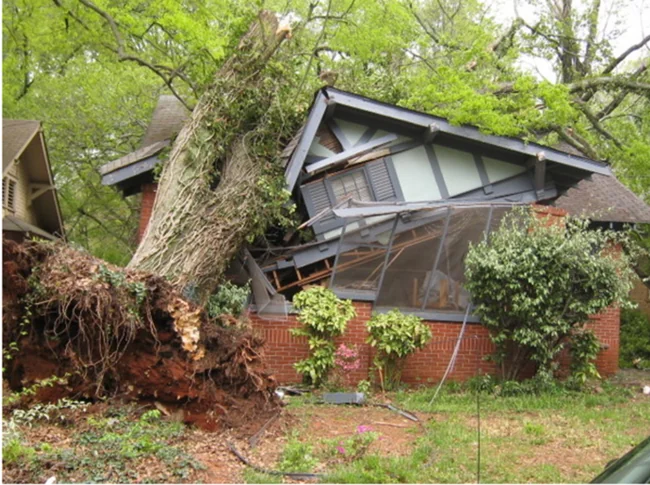
Mold is usually the second chapter of a claim, so start with the page matching chapter one: an indoor plumbing or appliance failure at New Jersey water damage claims, wind and nor'easter losses at storm damage claims, a tree through the roof at fallen tree claims. The stronger that first file, the harder the mold that follows is to dispute.

FAQs
Does New Jersey's summer humidity make mold grow faster after a water loss?
Mold appeared months after a winter pipe burst in my New Jersey home. Is it part of that claim?
The insurer calls my mold claim gradual damage or neglect. Is that the end of it?
My policy limits mold coverage to a few thousand dollars. Should I still file?
Still have questions?
Get in touch with our friendly support team.
Get in touch
Our loyalty is to you, not your insurance company.
Thank you! A team member will be in touch shortly.
Oops! Something went wrong while submitting the form.
Don't settle for less, maximizing your compensation is our priority.