


After damage to your home or business, the insurance claim can become another project to manage. There are photographs to organize, estimates to compare, calls to return, and questions about what happens next. That work arrives while you are trying to look after your family, protect your property, or keep your business running.
A public adjuster can help you prepare and negotiate a property insurance claim as your representative. Whether that help makes sense depends on the damage, the work involved, your available time, and the cost of the service. Here is how to think through the decision.
What is a public adjuster, and who do they represent?
A public adjuster is a claims professional you hire to represent your interests as the policyholder. They review and present your property claim and communicate with the insurance company on your behalf.
The insurer also assigns someone to assess your claim. A staff adjuster is an insurance company employee. An independent adjuster is an outside professional hired by the insurer. Both handle the claim for the insurance company; the word “independent” does not mean they are your personal representative.
A public adjuster's role is also separate from a lawyer's legal advice or a contractor's repair work. Hiring one does not provide those services automatically. The NAIC's consumer guide to home insurance explains the different adjuster arrangements and options for getting help with a claim.
What can a public adjuster do for your claim?
The work is usually a combination of investigation, organization, and communication. Ask which services a proposed agreement includes and who will perform them.
Review the policy and document the damage
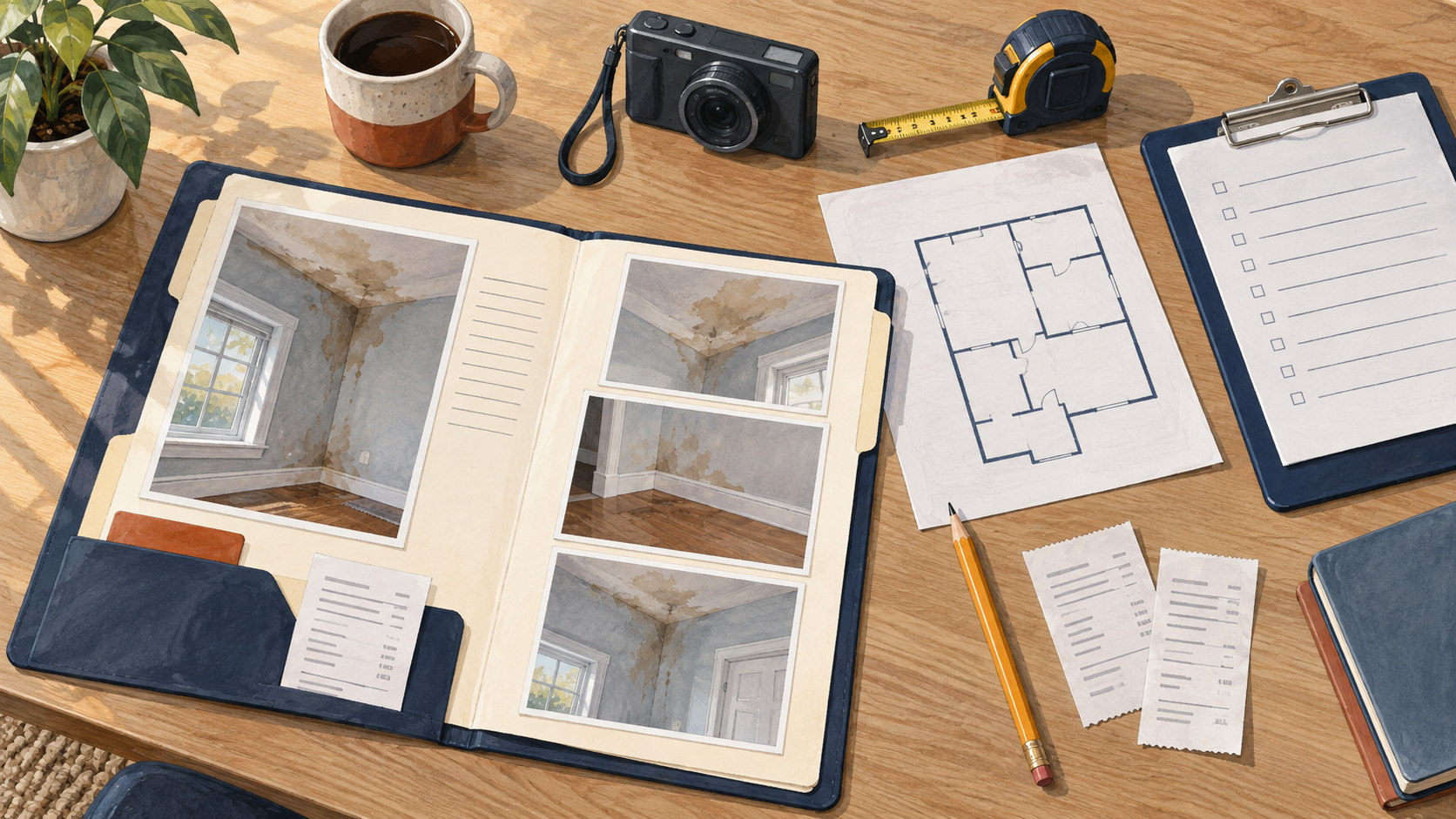
A public adjuster can examine your policy's relevant coverage, limits, exclusions, and claim requirements. They can inspect and document the reported damage, develop a repair scope, and prepare an estimate supported by photographs, measurements, and other evidence.
For example, imagine a kitchen fire with damage reported in several rooms. A useful claim file would identify each affected area and explain the work being requested there. A single photograph of the kitchen would give the reviewer much less information. Our fire damage claim page explores that type of loss.
Organize the contents and supporting records
A public adjuster can help prepare an inventory of damaged belongings or business property. They may also help assemble documentation for additional living expenses or business interruption and extra expenses, where the policy provides that coverage.
Imagine a shop owner trying to sort through damaged shelves, stock, and equipment while arranging a temporary workspace. Separate folders for property records, invoices, and operating expenses can make that conversation easier to follow. The details will differ from a household claim; our retail store insurance page provides more context.
Explain differences and negotiate with the insurer
A public adjuster can compare estimates, explain the insurer's position, present supporting information, and negotiate on your behalf. The NAIC's public adjuster consumer notice describes these duties, including help with claim documents and policy deadlines.
Suppose two estimates have different totals. The useful question is what creates the difference: quantities, materials, labor, or an item included in only one estimate. That gives everyone something specific to review. Simply repeating a preferred total offers less to work with.
When might hiring a public adjuster make sense?
Think about the workload as well as the damage. These situations are reasonable starting points for a conversation:
- Many moving parts. Your claim involves several rooms, extensive contents, or both building and business records.
- Limited time. Relocation, caregiving, or business responsibilities leave little room for managing a detailed claim file.
- Unresolved questions. You cannot understand the differences between estimates or what information the insurer still needs.
- A need for organized representation. You want someone to coordinate the claim work and explain its progress.
For a small, straightforward claim that you understand and can manage, hiring a public adjuster may offer limited value after the fee. Ask your insurer to explain unclear items before deciding what additional help you need.
There is no single claim amount that makes hiring the right choice. Consider the likely work, the proposed services, and the fee together. If your main concern is one unanswered question, say so during the first conversation. If it is a room full of records and no time to organize them, explain that instead.
What should you check before signing a contract?
Verify the individual's and, where applicable, firm's license with the insurance regulator for the state where the property is located. Confirm experience with your type of damage and ask who will handle day-to-day communication.
Public adjusters charge for their services, commonly through a percentage of the recovery. Get the fee calculation in writing, including which payments it applies to, when it is payable, and any additional expenses. Ask how the fee will affect the funds available for repairs.
Review the services, cancellation rights, and any contractor relationships. Fee limits and contract requirements vary by state and circumstances. The New York DFS public adjuster guidance explains New York's requirements; do not assume they apply to a property in another state.
No public adjuster can guarantee coverage, a particular payment, or the insurer's acceptance of an estimate. A public adjuster also does not replace an attorney when you need legal advice about a dispute.
Bring a short list of questions to the meeting. Ask to see how progress will be reported and how you will receive copies of documents. Choose an arrangement you understand and feel comfortable discussing.
Keep your claim moving while you consider your options
Do not wait to choose a public adjuster before notifying your insurer or taking necessary steps to protect your property. Stay out of unsafe areas and use qualified help for emergency work.
When safe, photograph the damage before cleanup, keep an inventory, and retain receipts. Make reasonable temporary repairs to prevent additional damage. Preserve damaged items for inspection when safe and practical, and coordinate with your insurer before permanent repairs. Ask about required documents and deadlines. The NAIC's disaster claims guidance explains these early steps.
Your next step can be a focused conversation. Gather your policy, claim number if you have one, damage photographs, estimates, and the questions you want answered. You do not need a perfectly organized file to explain where you need help.
If you would like to discuss your situation, start a claim review with Northeast Adjustment. Tell us what happened and what feels unclear so we can talk through whether public adjusting services may be a useful fit for your claim.