
Pennsylvania Mold Damage Insurance Claims

Northeast Adjustment, INC. represents Pennsylvania homeowners and businesses whose mold damage claims are capped, denied, or blamed on slow drying. We build the file tying the mold to the covered water loss behind it and negotiate with the insurer on your behalf.

Icon check mark
Mold claim reviews across Pennsylvania
Icon check mark
We tie mold to the covered water loss
Icon check mark
Fast documentation after water losses
A+ Rating
on BBB
Better Business Bureau
Over 50+ Years of
Combined Expereince
Free consultation
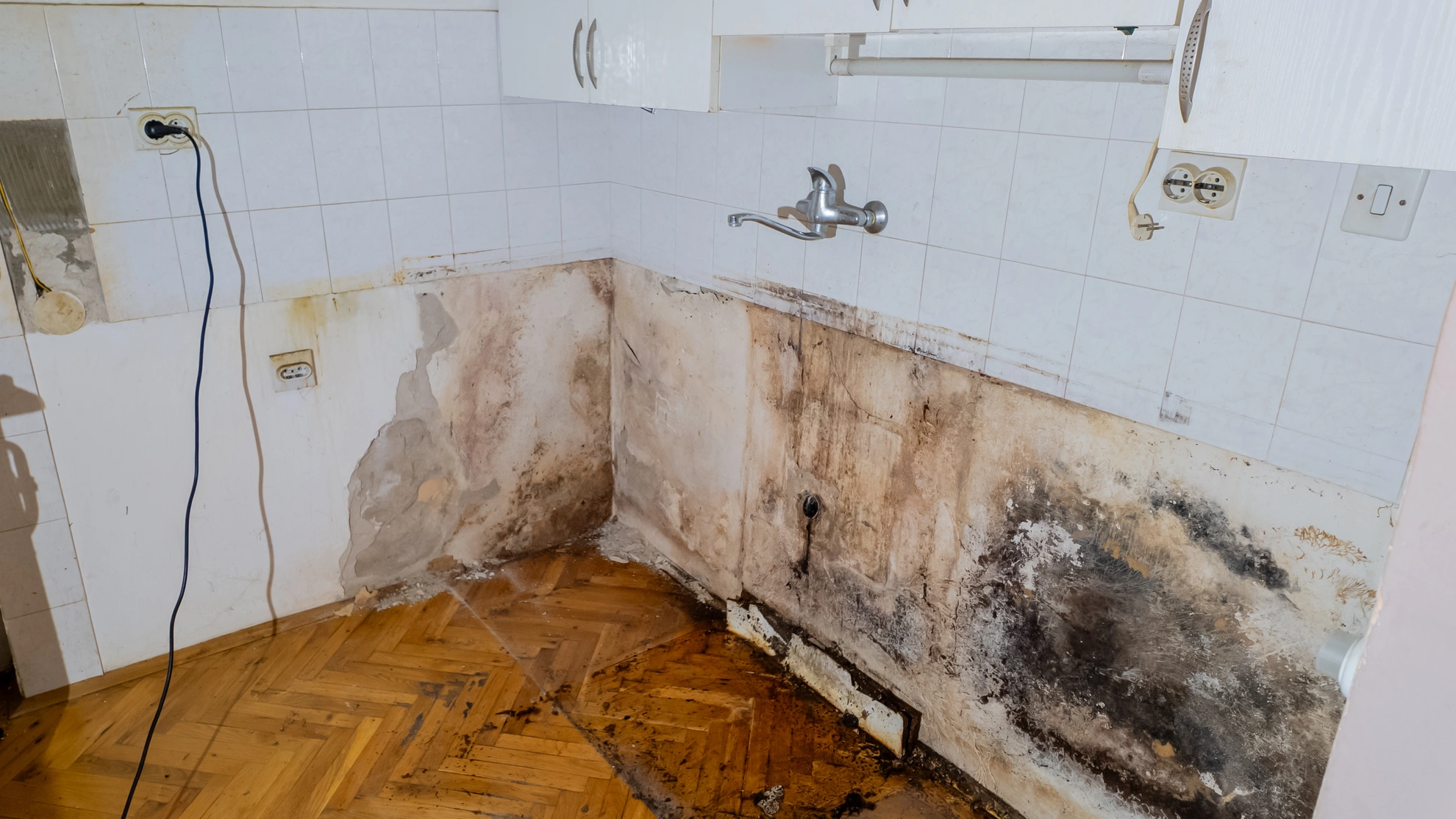
kitchen mode behind walls and tiles
Our Process
1
We personally inspect your property and establish the true value of your loss

We walk the property with you, document every affected area, and evaluate inventories, so your loss is on paper before the insurance company puts a number on it.

2
We arrange your temporary housing while you are out of your home

We take over your hotel bill and actively look for a house or apartment rental. Families are often out of their home for a year, this is the in-between living while the claim is settled with the insurance company.

3
We serve as your direct liaison with the insurance company

Every call, inspection, and negotiation goes through us. You never have to argue with an insurance adjuster or chase paperwork on your own.

4
We’ll ensure you receive the Maximum compensation

We negotiate the settlement against your full documented loss, not against the first offer the insurance company puts in front of you.

Request free claim review
Why mold damage claims in Pennsylvania are different

Mold thrives on what Pennsylvania's climate provides. Greater Philadelphia and the low-lying lower Susquehanna Valley from Harrisburg downriver sit in a humid subtropical zone with long, humid summers, and summers across the rest of the state run very warm and humid too. Damp building materials in that air have every chance to stay damp.

The state's flood history compounds the risk. Pennsylvania floods have historically clustered in March and April, which places the flood season months ahead of the most mold-friendly weather. A spring water loss that was closed up too soon can surface as mold just as summer humidity arrives.

That gap is where these claims are decided. Mold tied to a covered water loss is generally treated differently from mold the insurer attributes to seepage or neglect, so causation carries the claim, and speed protects causation. Moisture readings, dated photos, and drying records from the first days after a water loss are what later defeat a gradual-damage argument.

Our full mold damage claim guide covers caps, exclusions, and insurer denial tactics in depth. This page covers what changes in Pennsylvania.

Pennsylvania mold loss scenarios

Pennsylvania mold claims tend to follow a few patterns.

Spring water loss, summer discovery

A March or April water event gets dried in a hurry and the walls close up. Mold surfaces during the first humid stretch of summer, and the insurer questions the weeks in between. A dated timeline connecting the discovery to the original event keeps the claim anchored to a covered loss.

A small leak under year-round moisture

Pennsylvania averages about 41 inches of rain a year, spread across every season. A minor roof or plumbing leak under that load can feed concealed growth inside a wall or ceiling for months, and the damage is often found only when a contractor opens the assembly.

Closed-up buildings in humid months

A rental between tenants or a business closed for part of the summer sits unventilated in humid air. Mold found on reopening still needs a source. A plumbing failure or roof leak behind it may make the loss claimable, depending on the policy.

Mold during fire or storm rebuilding

Water used to suppress a fire, or rain through a storm-opened roof, can sit in building assemblies while repairs are planned. Growth in that window belongs to the same loss, and how it is categorized can affect what the policy pays.

Pennsylvania deadlines that matter

31 Pa. Code Chapter 146 sets the pace for a Pennsylvania mold claim. Your insurer owes an acknowledgment inside 10 working days, a completed investigation inside 30 days of notice unless that is not reasonably possible, and written status updates at 45-day intervals when it runs long. A properly executed proof of loss then triggers a 15-working-day window for the carrier to accept or deny. Causation disputes stretch mold files, so keep a dated log and check it against our Pennsylvania claim deadline guide.

How we handle a Pennsylvania mold damage claim

Public adjusting in Pennsylvania is licensed through the Pennsylvania Insurance Department. Mold claims anywhere in the Commonwealth reach the same team in our Forest Hills, Queens office, which manages the policy review, causation file, remediation scope, and negotiation end to end. Our Pennsylvania public adjuster page explains how we work across the state.

Because mold is usually a secondary loss, these claims often start somewhere else. If the moisture came from a burst pipe or appliance failure, start with our Pennsylvania water damage claim page. If wind opened the building first, see storm damage claims in Pennsylvania. When suppression water lingers after a fire, our fire damage page covers that path.

FAQs
How quickly can mold grow after a summer water loss in southeastern Pennsylvania?
My Pennsylvania home took on water in the spring and mold appeared weeks later. Can the mold still be claimed?
Will the insurer argue I dried the property too slowly?
The adjuster says my policy has a mold limit. Does that number decide the claim?
Does mold have to be visible before I contact you?
Still have questions?
Get in touch with our friendly support team.
Get in touch
Our loyalty is to you, not your insurance company.
Thank you! A team member will be in touch shortly.
Oops! Something went wrong while submitting the form.
Don't settle for less, maximizing your compensation is our priority.