
Connecticut Water Damage Insurance Claims

Connecticut splits its water losses between a milder, wetter shoreline and a colder, snowier interior, and the claim file has to show which pattern hit your building. Northeast Adjustment, INC. builds Connecticut water claims on that split and negotiates the settlement from the policyholder's side.

Icon check mark
Freeze, thaw, and roof melt losses documented
Icon check mark
Water claims from the Sound to the hills
Icon check mark
Moisture mapped past the visible damage
A+ Rating
on BBB
Better Business Bureau
Over 50+ Years of
Combined Expereince
Free consultation
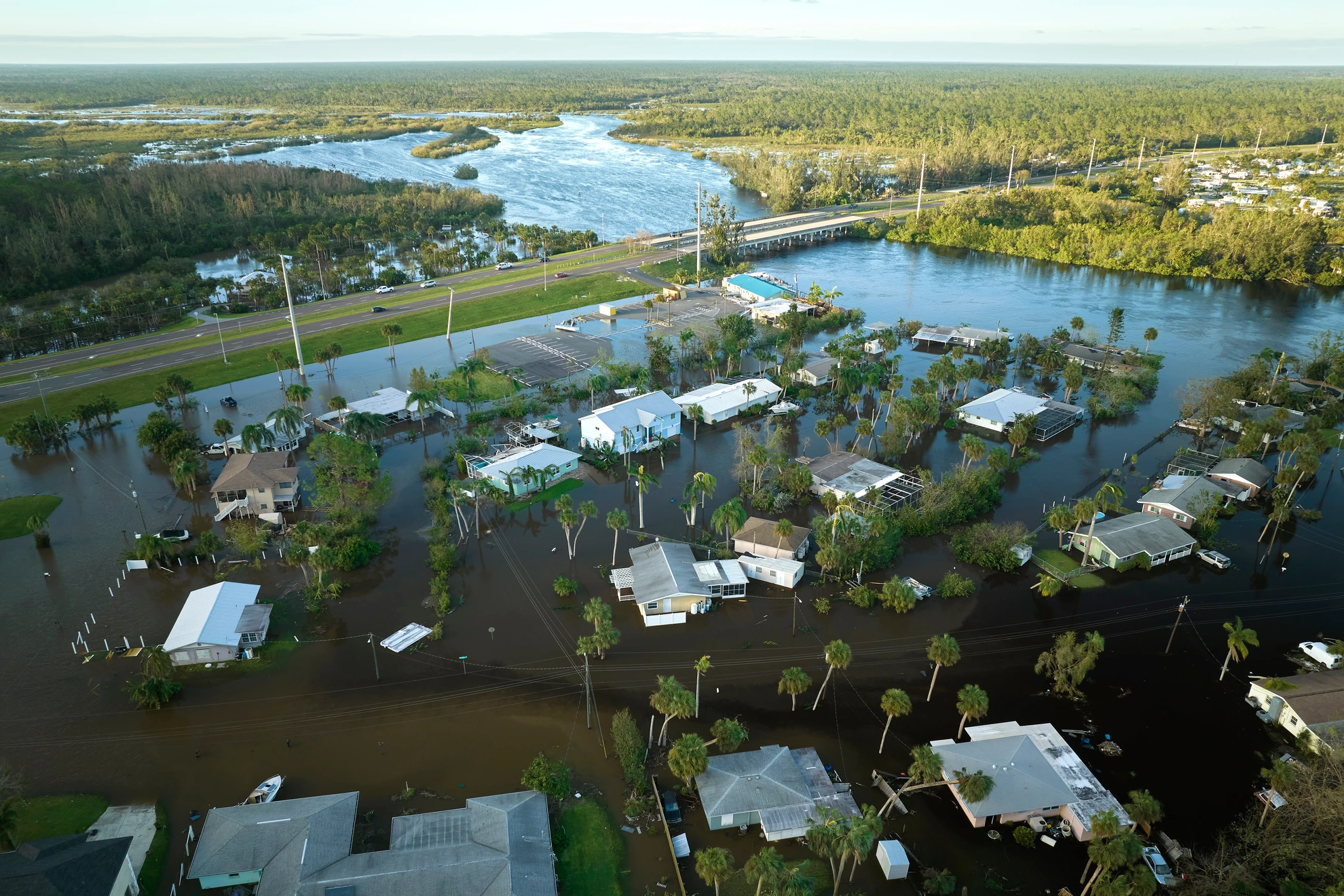
flooding in residental homes
Our Process
1
We personally inspect your property and establish the true value of your loss

We walk the property with you, document every affected area, and evaluate inventories, so your loss is on paper before the insurance company puts a number on it.

2
We arrange your temporary housing while you are out of your home

We take over your hotel bill and actively look for a house or apartment rental. Families are often out of their home for a year, this is the in-between living while the claim is settled with the insurance company.

3
We serve as your direct liaison with the insurance company

Every call, inspection, and negotiation goes through us. You never have to argue with an insurance adjuster or chase paperwork on your own.

4
We’ll ensure you receive the Maximum compensation

We negotiate the settlement against your full documented loss, not against the first offer the insurance company puts in front of you.

Request free claim review
Why water damage claims in Connecticut are different

Connecticut's precipitation spreads fairly evenly through all 12 months of the year, which leaves water losses with no off-season. That makes the date of entry a proof question, answered with dated photographs and readings rather than memory.

Winter is where the state splits in two. Snowfall averages about 60 inches in the higher northern elevations against 20 to 25 inches along the southeast coast from Branford to Groton, and 95 percent of the season's snow falls between early December and late March. A ceiling stain in the northwest hills is more likely to trace to melt working under the roof; the same stain in a shoreline town more often follows wind-blown rain. The freeze end of the range is on the record too: minus 32 F, set at Falls Village in 1943 and again at Coventry in 1961.

What goes into the file itself, the readings, the inventory, the estimate, is laid out in our water damage claim guide.

How water gets into Connecticut buildings

The route the water takes into a building decides the evidence list, and the routes vary across Connecticut.

Melt Working Under Snow Country Roofs

In the elevations that catch the deep end of the state's snowfall range, thaw cycles can push melt under roofing and down into ceilings. Each thaw is a fresh intrusion, so the file needs dates: photograph every stain as it appears instead of letting weeks of damage blur into one entry.

Supply Lines Split by Inland Cold

Connecticut's interior has recorded cold severe enough that plumbing can fail in unheated corners of otherwise sound buildings. A burst is a sudden loss and the file should read that way: keep the failed section, note the weather on the date of loss, and map where the water traveled.

Rising Water in River Valleys and Downtowns

History gives the warning here: in 1938, hurricane rain pushed the Connecticut River over its banks and into downtown Hartford and East Hartford. Rising water generally raises different policy questions than water released inside a building, so pin down the cause early and read the policy for that exact address.

Connecticut deadlines that matter

Connecticut hands a water claim no fixed calendar. Its unfair-practices statute, Conn. Gen. Stat. § 38a-816, sets standards of speed instead: a claim is to be acknowledged with reasonable promptness and investigated promptly, and once liability is reasonably clear the insurer must attempt a prompt, fair and equitable settlement. Enforcement runs through the Connecticut Insurance Department, by market conduct actions and by consumer complaints, so the dated record of every notice, inspection, and unanswered letter is what holds the company to those words while a soaked building dries and rebuilds on its own schedule. The rest is in our Connecticut claim deadline guide.

How we handle a Connecticut water damage claim

Public adjusters in Connecticut, individuals and business entities alike, are licensed through the Connecticut Insurance Department. Northeast Adjustment, INC. represents Connecticut policyholders from its office in Forest Hills, Queens: we photograph and measure the loss, follow moisture into cavities a first inspection misses, inventory ruined contents, price the repairs, and keep negotiating until the carrier's number matches the moisture map. The statewide picture is on our Connecticut public adjuster page.

A water file rarely travels alone. When an outage stops sump pumps or heat, a Connecticut power outage claim can run beside it; when a wet cavity turns into growth, a Connecticut mold damage claim picks up; and where wind opened the roof first, the loss starts as a Connecticut storm damage claim.

FAQs
Does it matter whether my property is in the northern hills or on the Connecticut shoreline?
Parts of my shoreline town sit low. Is my water damage automatically a flood claim?
The company adjuster keeps calling my burst pipe a long-term leak. How do you answer that?
A musty smell turned up a week after the cleanup. Is that part of the same claim?
What does it cost to bring you into a Connecticut water claim?
Still have questions?
Get in touch with our friendly support team.
Get in touch
Our loyalty is to you, not your insurance company.
Thank you! A team member will be in touch shortly.
Oops! Something went wrong while submitting the form.
Don't settle for less, maximizing your compensation is our priority.