How Insurance Companies Deny Equipment Breakdown Claims
Wear and Tear Exclusion
This represents the most powerful denial tactic. Insurance companies classify most equipment failures as normal wear and tear rather than sudden breakdowns.
Any equipment showing age, corrosion, or deterioration faces wear and tear denial. They argue aging equipment requires replacement not insurance coverage.
An air conditioning compressor failing after ten years gets denied. They claim expected lifespan eliminates coverage for predictable failures.
Boilers showing corrosion before failure face denial. Pre-existing deterioration converts sudden breakdowns to gradual wear they argue.
Even catastrophic sudden failures undergo scrutiny. They investigate equipment age, maintenance history, and condition searching for wear and tear evidence.
Inadequate Maintenance Arguments
Insurance companies demand comprehensive maintenance documentation. Missing maintenance logs become evidence of inadequate care eliminating coverage.
They require proof of regular inspections, cleaning, lubrication, and preventive service. Any gaps in maintenance records justify denials.
Delayed routine service gets characterized as neglect causing equipment failure. Skipped maintenance appointments prove inadequate care they claim.
Small businesses without sophisticated maintenance programs face automatic denials. Lack of detailed documentation becomes basis for refusing payment.
They argue proper maintenance prevents failures. Any equipment breakdown suggests maintenance deficiency requiring claim denial.
Operator Error Exclusions
Despite equipment breakdown policies specifically covering operator error, insurance companies attempt denials claiming negligent operation.
They distinguish between covered operational mistakes and excluded intentional misuse. Determining intent becomes contentious.
Improper equipment settings causing failures face scrutiny. They argue negligent operation not covered error caused damage.
Inadequate operator training gets raised retroactively. They claim businesses should have provided better training preventing errors.
They dispute whether actions constitute error or reckless behavior. Policy language regarding operator error receives narrow interpretation.
Fire and Combustion Exclusions
Equipment breakdown policies exclude fire and combustion damage. These perils fall under standard property insurance.
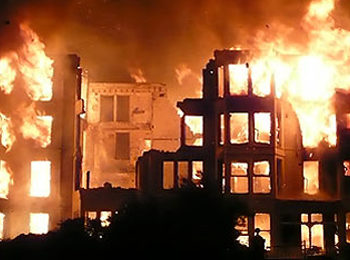
When equipment failures cause fires, coverage disputes arise. Electrical arcing starting fires creates conflicts between policies.
Equipment breakdown insurers deny claims arguing property policies cover fire. Property insurers refuse payment claiming equipment failure caused loss.
Boiler explosions causing fires generate particularly complex disputes. Determining proximate cause becomes essential for coverage allocation.
Joint loss agreements address these situations but payment delays occur during inter-company negotiations.