

A seasonal home can look secure while a cold-weather problem develops unnoticed inside. Before locking up, create a plan that explains which systems remain operating, which have been winterized, and who will respond if something changes.
Heating arrangements deserve particular attention in this region. EIA reports that about 82% of U.S. households using heating oil as their primary fuel in winter 2023–2024 were in the Northeast. This is the Northeast's share of oil-heated U.S. homes, not the percentage of regional homes using oil. EIA heating-oil information
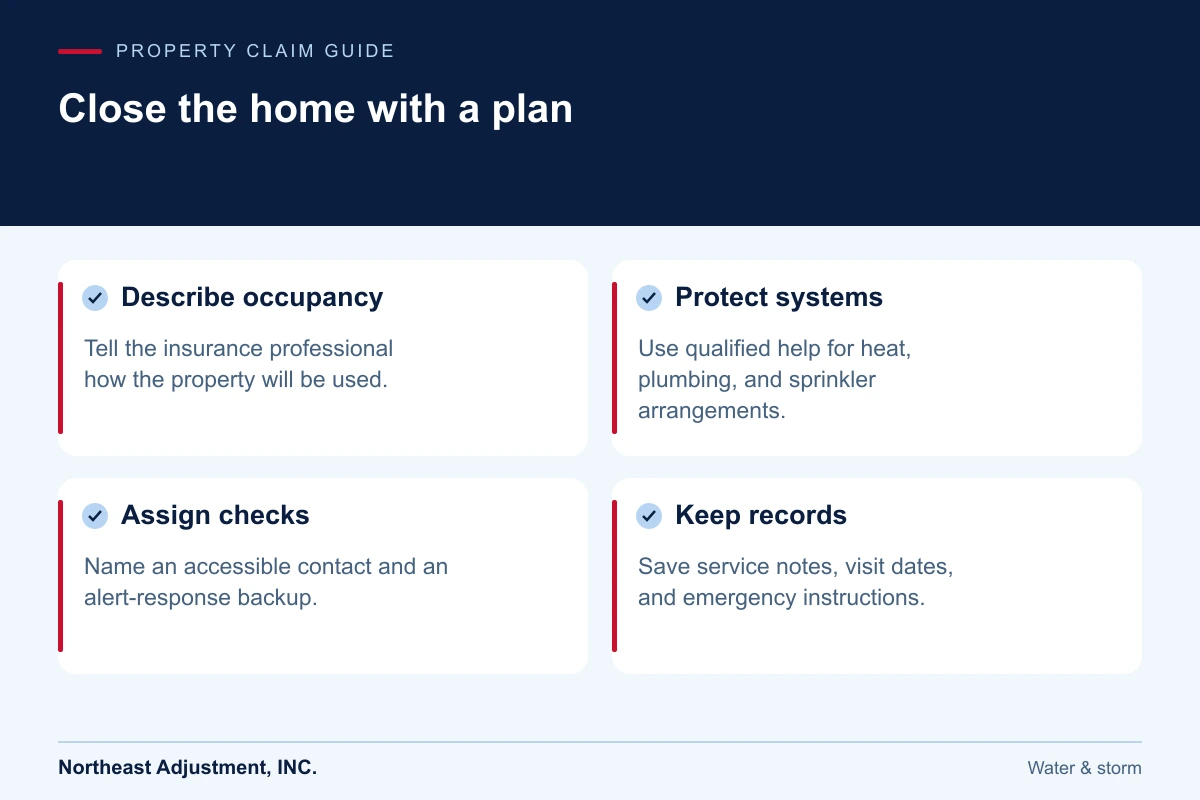
Tell the insurer how the home will actually be used
Will the property be empty until spring, visited every weekend, rented occasionally, or occupied during renovations? Describe the arrangement accurately to your insurance professional.
Ask how the policy defines vacancy or unoccupancy, what conditions apply, and whether your planned use requires a change. Do not assume periodic visits automatically satisfy every requirement.
Keep the response with the policy. If the plan changes during winter, revisit the question. A property that was expected to host family every week may be used differently after travel or repairs are delayed.
Have the systems plan written down
Consider an illustrative Connecticut cottage with oil heat, domestic plumbing, and a hydronic heating system. Draining a sink line is not the same as winterizing the whole property. The heating arrangement may need water or other specific treatment to operate safely.
Ask qualified professionals which systems should remain active and which should be drained or otherwise protected. Include exterior faucets, irrigation, appliances, water treatment, and any fire-sprinkler equipment where applicable.
Avoid a universal instruction to turn off all utilities. A decision that protects one system can disable another. The written plan should identify relevant valves, controls, service settings, and equipment that should not be touched.
The NAIC's freeze guidance links reasonable prevention measures and maintenance to potential coverage. Follow your particular policy and professional instructions rather than a generic temperature rule.
Arrange monitoring that leads to action
A phone alert does little if nobody can enter the property. Name a local contact and a backup who can respond, obtain help, and reach you.
Give them clear instructions about:
- Safe access and where keys or entry credentials are held.
- Heating and plumbing service contacts.
- Where to report a suspected leak or loss of heat.
- What systems they should leave to professionals.
- How to record visits and observed problems.
- Who can authorize emergency work if you are unavailable.
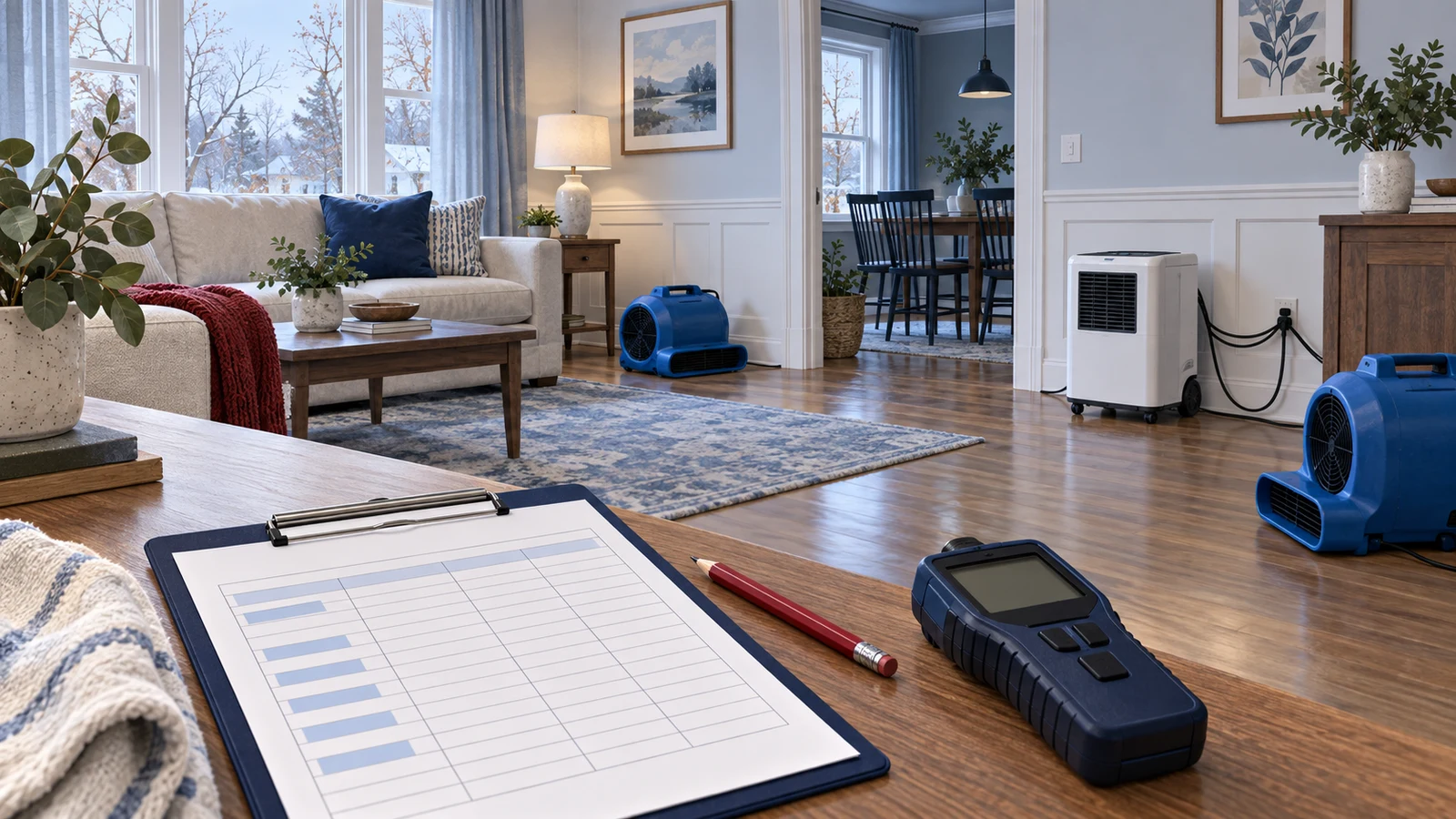
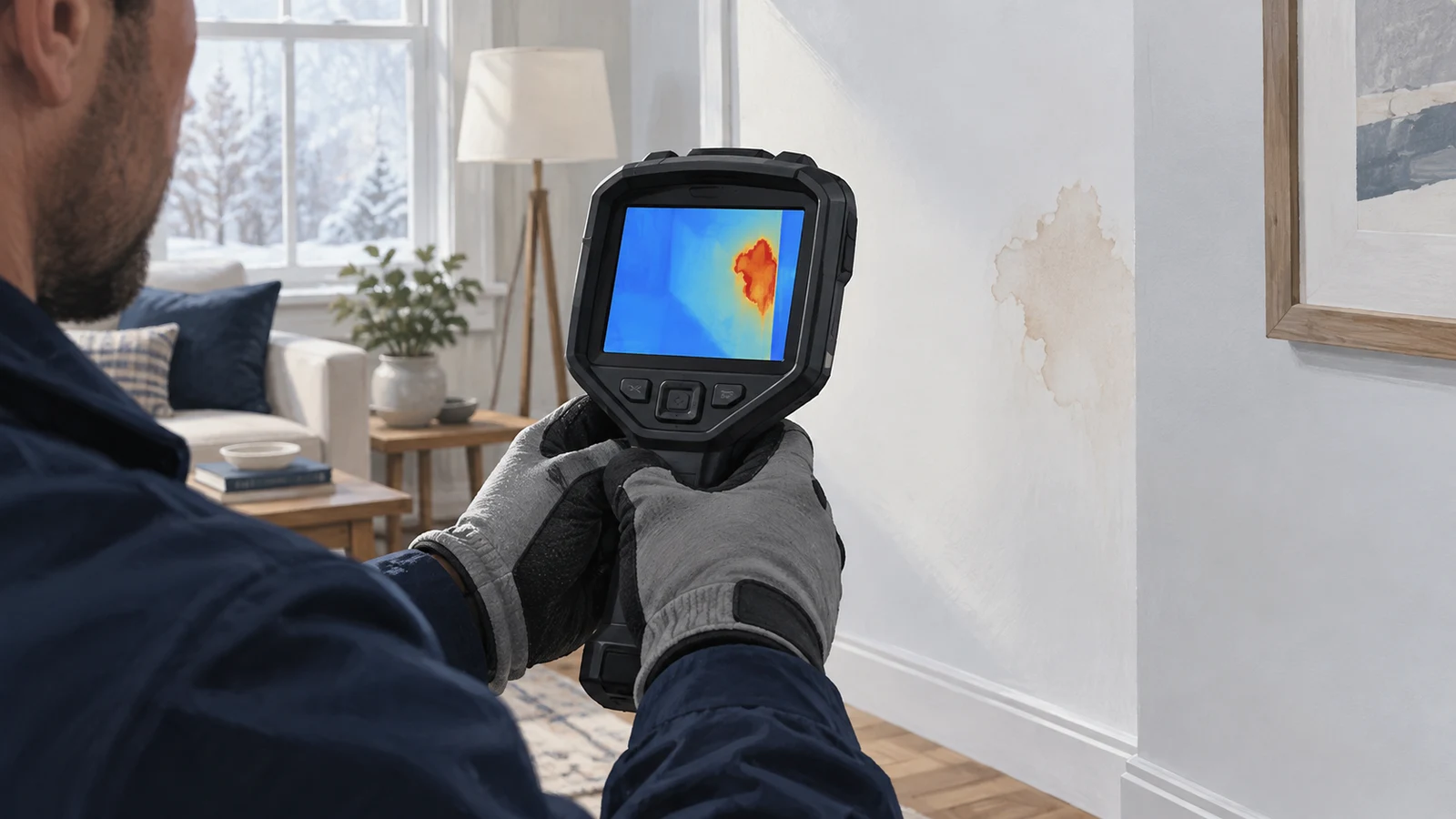
Test monitoring devices and notifications before leaving. Consider how a power or internet outage affects them. Do not assume a connected device remains functional in every emergency.
Inspect the building's exterior and storage
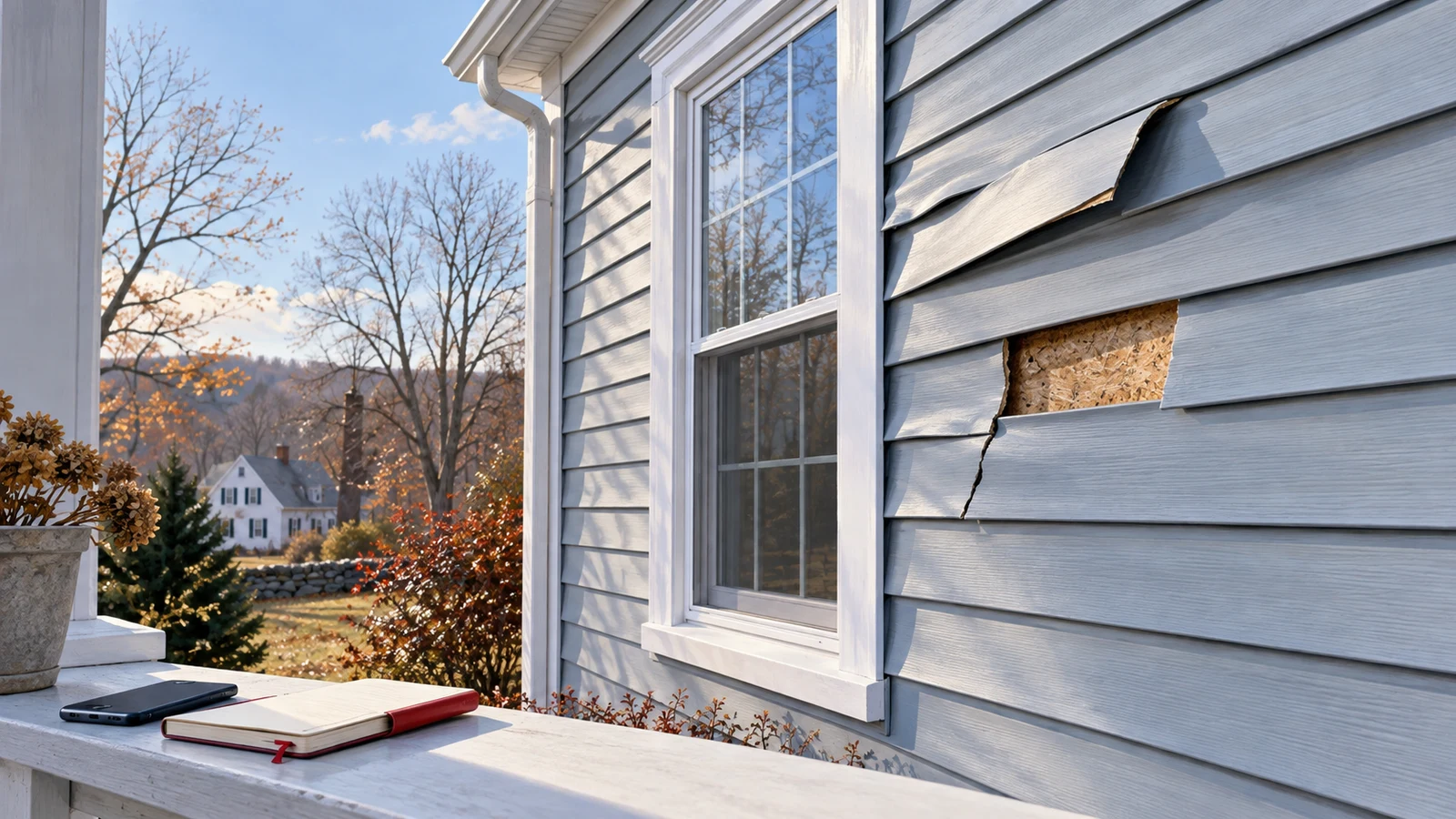
From safe accessible locations, check drainage, obvious roof or siding issues, and trees or branches that warrant professional attention. Ask appropriate contractors to address concerns before closing.
Move valuable records and vulnerable belongings away from places where water could collect, without blocking exits, equipment, or ventilation. Photograph rooms and contents in their prewinter condition. Keep essential records somewhere other than the closed house.
For a coastal seasonal home, include wind and rain exposure in the plan. For an inland property, consider access after snow as well as the building itself. A service contractor cannot help promptly if nobody knows how to reach the property safely.
Keep a closure record
Save the date of closure, winterization invoices, heating-service findings, photos, monitoring test, and scheduled visits. Note any unresolved repair and who is responsible for it.
If damage is discovered, report it promptly and distinguish the discovery date from any uncertain estimate of when it began. Preserve the professional findings and visit history. Those records support an accurate explanation but do not guarantee coverage.
Two common questions
Can a neighbor's occasional visit replace winterization?
No. Visits and systems protection serve different purposes. Ask professionals what the property needs.
Should I cancel fuel deliveries?
Only after confirming the heating plan and consequences. A system intended to remain operating needs a reliable fuel arrangement.
Our winter property resources cover related preparation. If a seasonal property suffers damage, contact Northeast Adjustment to discuss the documentation and policy questions involved.