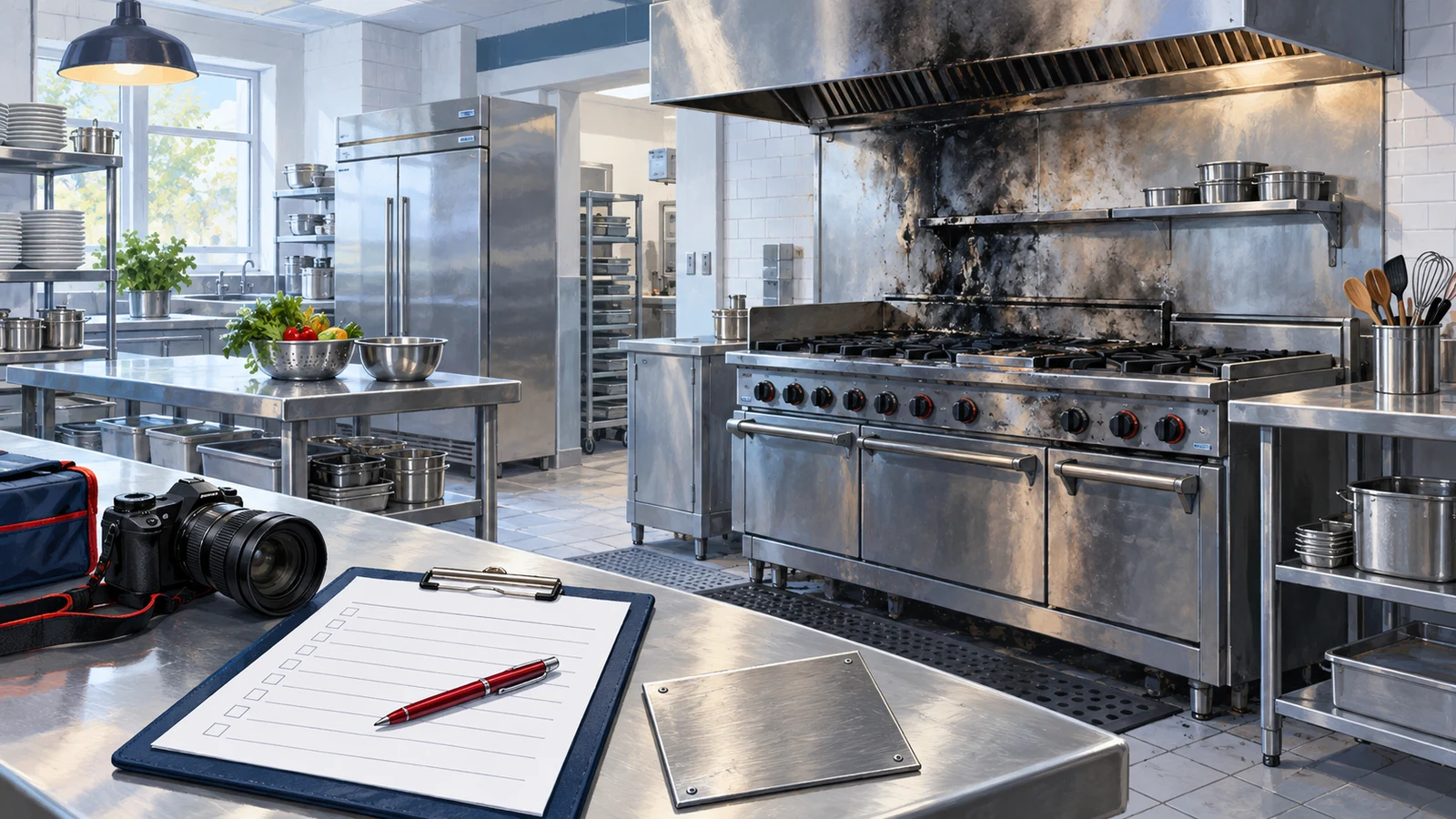


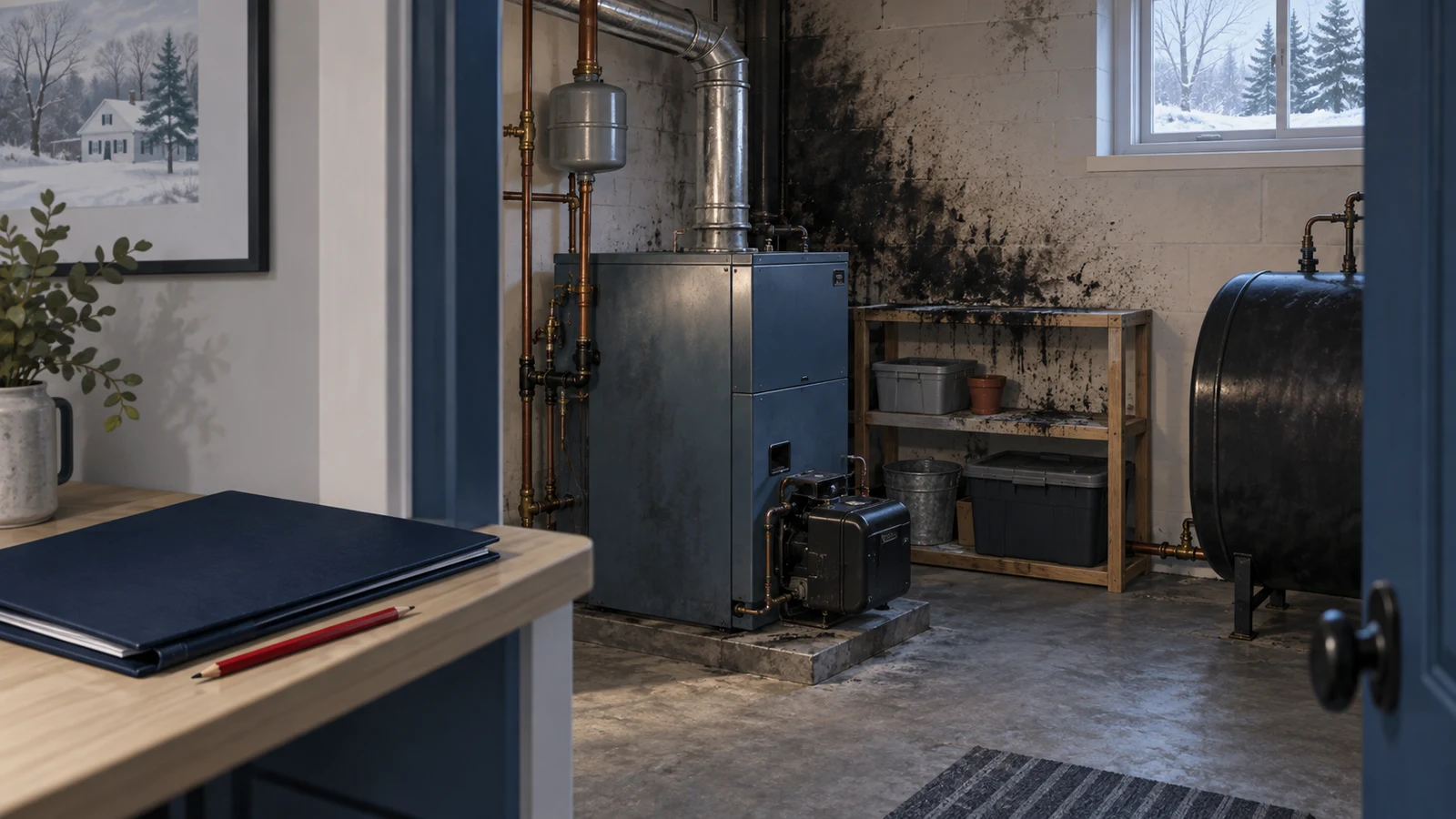
A dark film on walls, furniture, or window coverings after a furnace malfunction needs a careful explanation. A repair to the heating equipment addresses one issue; identifying and documenting soot throughout the building addresses another. Treat those as related parts of the same investigation.
Heating oil has particular regional relevance. About 82% of U.S. households using heating oil as their primary heating fuel in winter 2023–2024 were located in the Northeast, according to the Energy Information Administration. That is a geographic share of oil-heated homes, not a claim that 82% of Northeast households use oil. EIA heating-oil data
Let a qualified technician identify what happened
A puffback generally describes a combustion malfunction that releases soot or smoke. The technician should determine the equipment condition and appropriate response. Do not repeatedly restart a malfunctioning unit to see whether the problem returns.
If there is active smoke, fire, a fuel odor, or an alarm, leave the area and use emergency services as appropriate. Return only when it is safe. Photographs can wait until immediate hazards are addressed.
Request a written service report identifying the unit, observed conditions, findings, and work performed. Preserve previous service records and fuel-delivery information if relevant. Describe what you personally noticed and when; avoid adding a technical cause that nobody has established.
Record the pattern before surfaces change
Imagine an illustrative Connecticut house with oil heat and soot visible on a stairwell wall, bedroom curtains, and a hallway ceiling. Cleaning only the obvious utility-room deposits would leave an incomplete record of the observed distribution.
Start with wide photographs showing each room. Follow with closer views of deposits on painted walls, trim, textiles, cabinetry, and belongings. Identify the room and surface in your notes. Photograph adjacent areas when they help explain where deposits are and are not visible.
Use a simple room list:
- Location and date observed.
- Surface or item affected.
- Photographs associated with that location.
- Any cleaning attempted and who performed it.
- Questions that require a restoration professional's assessment.
Do not use a household cleaning experiment as proof that every affected material can be restored. Different finishes and fabrics may require different methods.
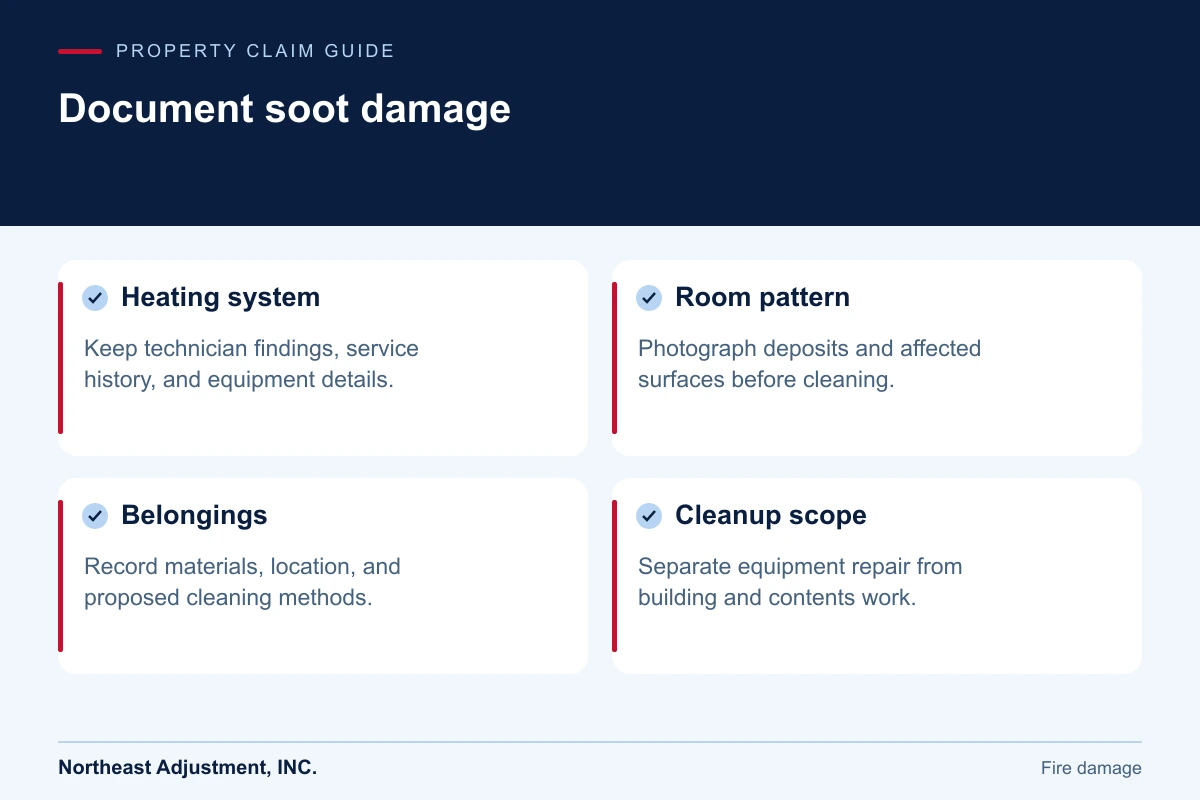
Separate equipment, building, and belongings
Ask for estimates that distinguish the furnace repair from building cleanup and personal-property work. A single total labeled “soot cleanup” makes it harder to understand what is included.
For building work, look for room names, affected materials, measurements, cleaning methods, and any proposed coating or replacement. For contents, organize items by room and material. A washable hard surface, an upholstered chair, and an electronic device should not automatically receive the same treatment.
Before disposal, ask the insurer how evidence should be preserved. Keep photographs, inventories, professional recommendations, and written instructions. Protect health and safety first; do not store unsafe materials merely to retain them.
Connect the claim to evidence
Report the event promptly and request the insurer's documentation requirements. The New York DFS disaster guidance emphasizes documenting losses and retaining records of emergency work. Those practices help distinguish the initial condition from subsequent cleaning or repairs.
Coverage depends on the cause, policy terms, and any applicable exclusions or limits. A furnace malfunction does not automatically establish coverage for every deposit or every proposed replacement. Conversely, an equipment repair does not settle the separate question of damage to the home and its contents.
If the cleaning scope seems incomplete, identify the specific omitted room, surface, or item. Attach its photograph and explain the question you need answered. A focused request is easier to evaluate than a general statement that the whole house feels dirty.
Questions homeowners ask
Should I run the furnace to keep the house warm?
Follow the qualified technician's safety instructions. Ask about safe temporary arrangements if the system must remain off, including protection of plumbing during cold weather.
Does visible soot mean everything needs replacing?
No. Restoration decisions depend on material, contamination, condition, and professional findings. Request an item-specific explanation.
What if cleaning has already started?
Gather the earliest available photos, contractor records, inventories, and descriptions of what changed. Continue documenting the work honestly.
For additional background, visit our claim resource library. Northeast Adjustment can discuss how to organize the equipment findings, soot documentation, and proposed repair scope for your property claim.