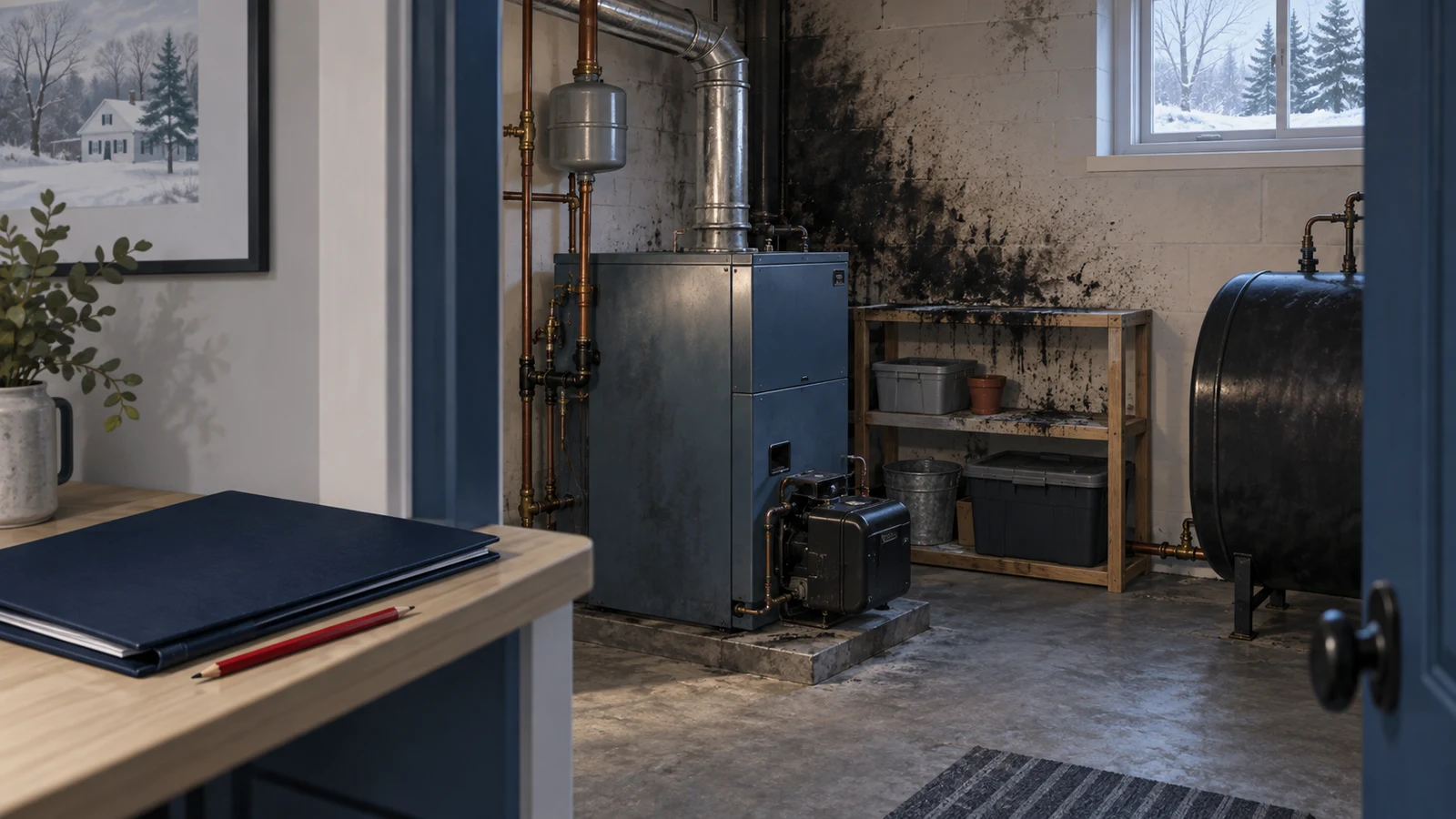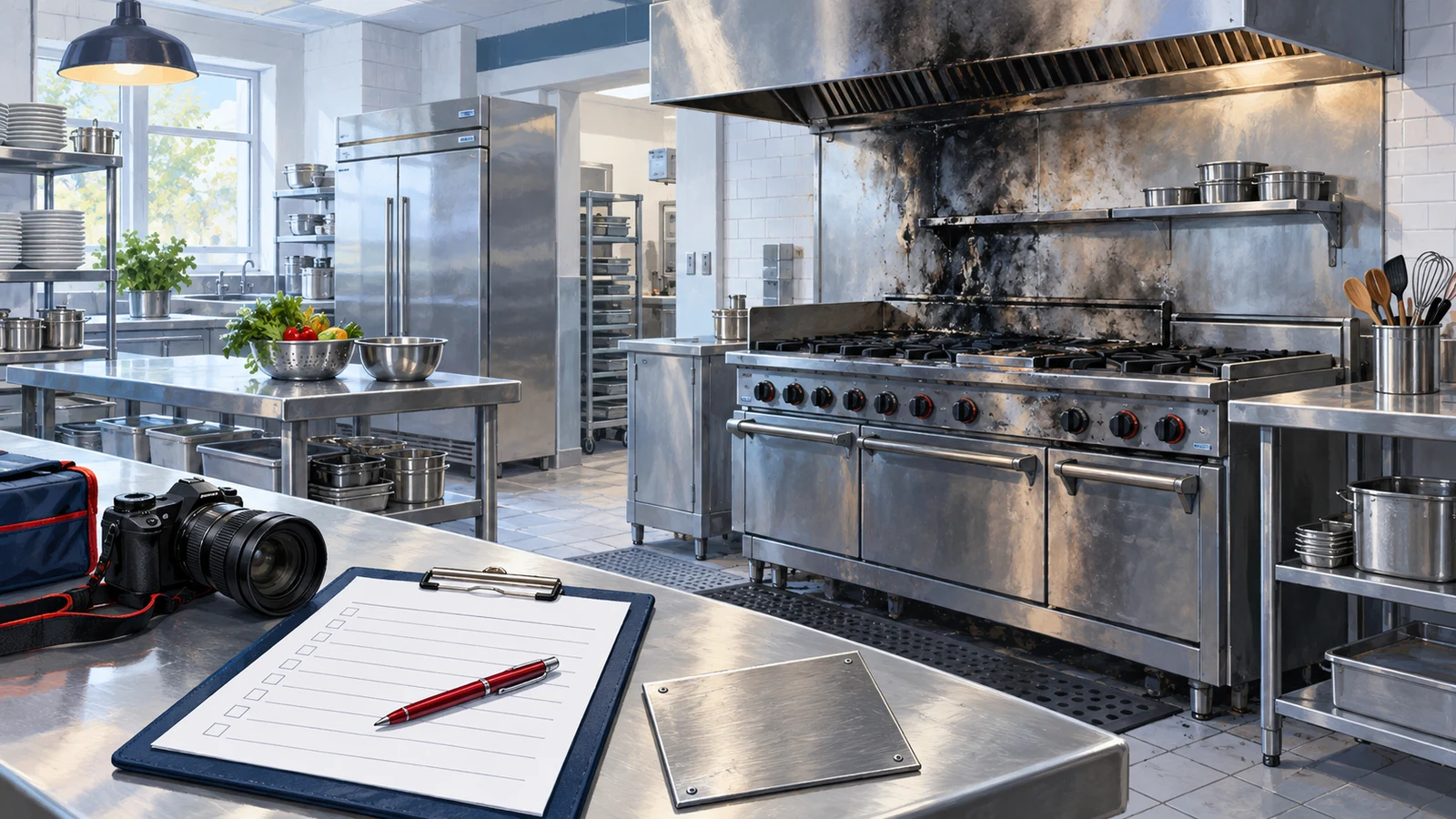


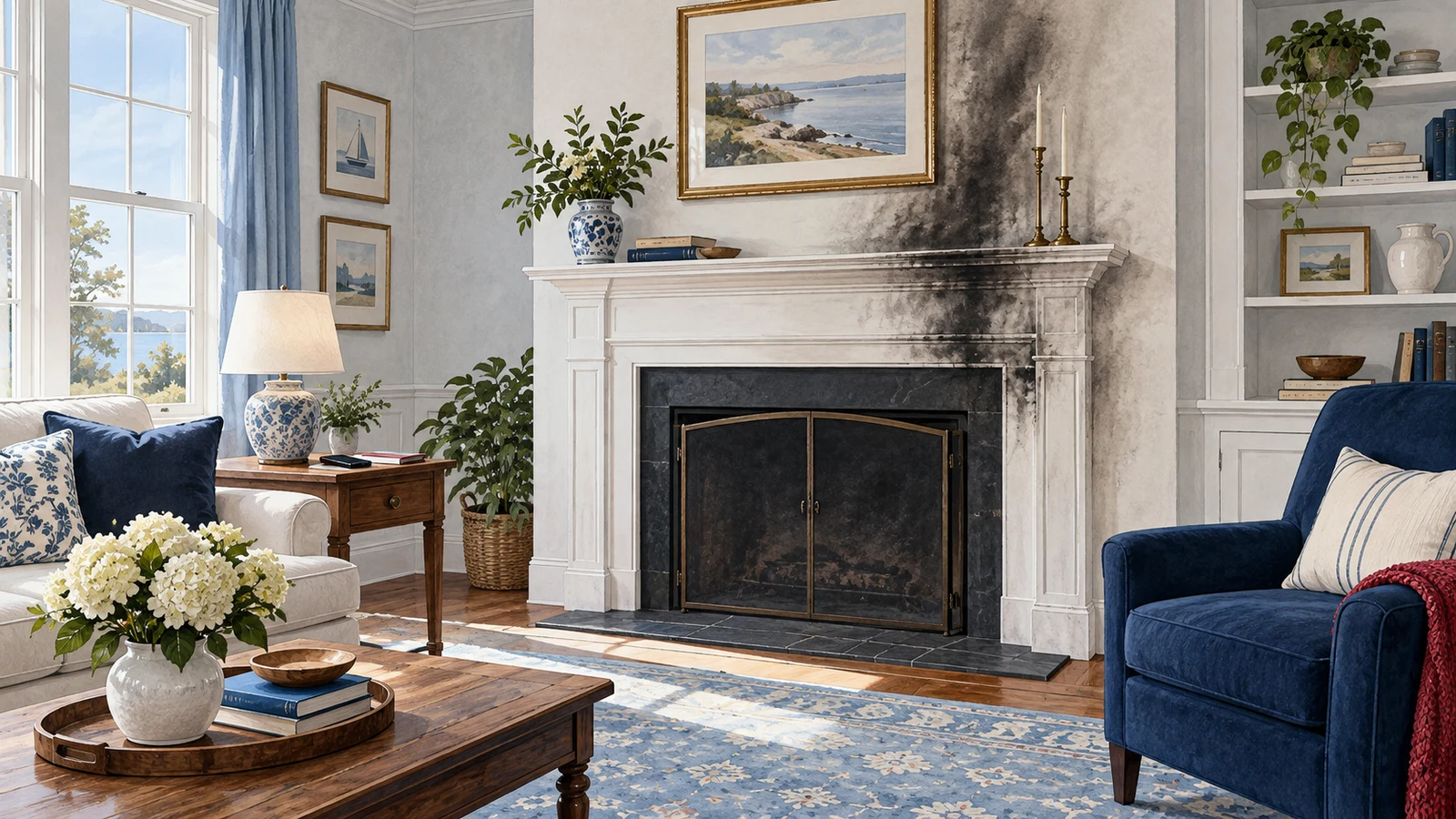
Smoke entering a room from a fireplace needs attention before the next fire is lit. If there is active fire, smoke, an alarm, or another immediate hazard, leave and seek emergency help. Once the area is safe, begin documenting both the heating system and the property affected around it.
USFA estimated 27,900 residential building heating fires in the United States during 2023. That category includes more than fireplaces and chimneys, so it should not be presented as a chimney-fire count. It gives national context to a familiar Northeast heating-season concern. USFA heating-fire estimates
Preserve the source investigation
Arrange a qualified inspection before using a system that may be unsafe. Ask for a written description of the components inspected, observed damage, findings, and recommended work.
Keep any fire-department report, prior chimney-service records, and photographs supplied by professionals. Do not climb onto the roof or open an unsafe assembly to collect evidence yourself.
In an illustrative Pennsylvania home, smoke appears around a fireplace opening and soot is found on nearby walls. The owner's observations do not establish whether the cause involves a blockage, equipment condition, a fire event, or another problem. A clear record separates what was observed from what the inspector concluded.
Photograph the room as a whole
Take an overview showing the fireplace and room layout, followed by closer views of visible deposits, discoloration, and affected finishes. Note which walls, ceilings, trim, and built-in surfaces are involved.
Photograph adjoining areas when they help explain the distribution. If upstairs or adjacent rooms show new conditions, identify them rather than assuming the damage stops at the hearth.
Record the date and what cleaning has already occurred. An honest note that a wall was wiped before photographs is better than presenting the later image as the original condition.
Do not run the system again to recreate the smoke pattern. The inspection and existing evidence should guide the investigation.
Give belongings their own inventory
List affected curtains, rugs, upholstered furniture, books, electronics, and other items by room. Include material, approximate age when known, brand or model, and available ownership records.
The proposed treatment should fit the item. Ask a restoration professional to explain whether cleaning, testing, repair, or replacement is recommended and why. An odor or a visible mark alone does not justify the same treatment for every object.
Keep any pack-out inventory and storage record. If belongings leave the house, make sure the list identifies what was removed, its condition, and where it went.
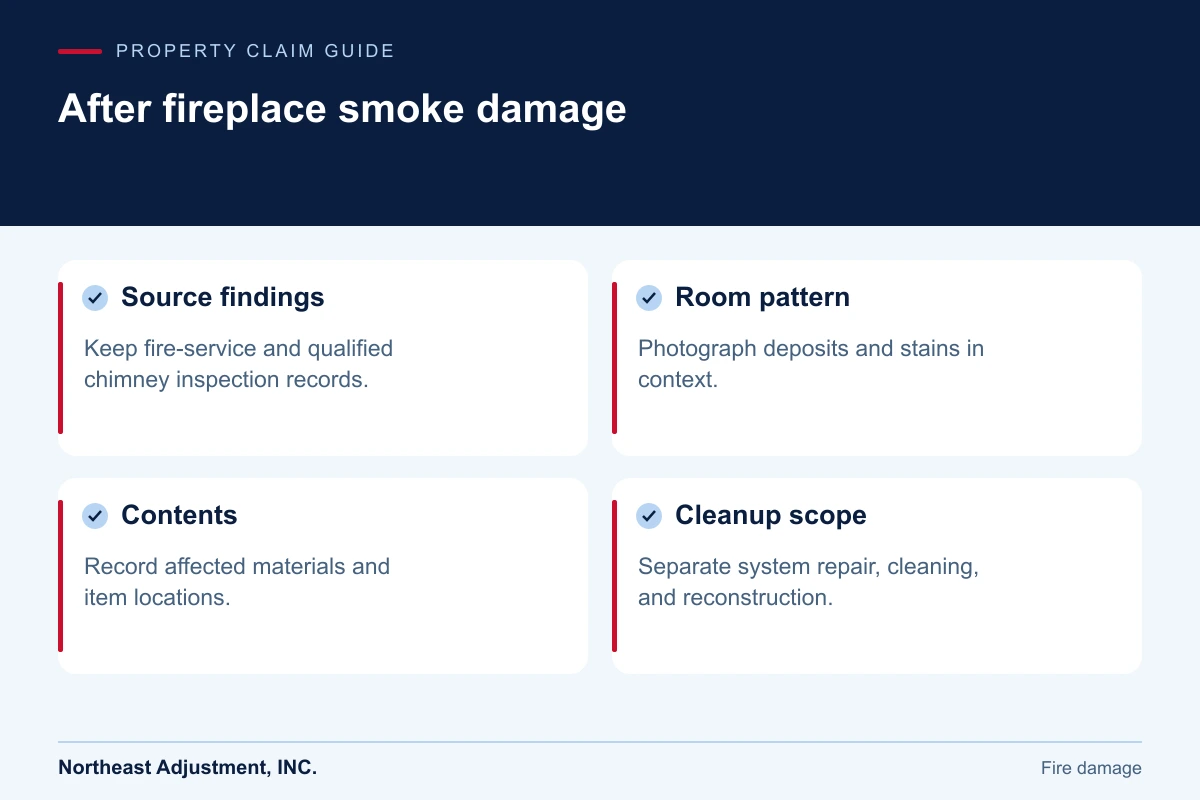
Separate repairs from cleanup
A chimney or fireplace repair proposal may address the system but omit walls, furnishings, or other affected materials. A cleaning proposal may address deposits while leaving the cause unresolved.
Request estimates that distinguish:
- Inspection and source-system work.
- Building-surface cleaning.
- Contents handling and treatment.
- Any proposed removal or reconstruction.
- Temporary protection and related expenses.
Ask about the basis for each part. If a contractor recommends repainting, for example, the file should explain which surfaces and preparatory steps are involved rather than simply listing “paint living room.”
Discuss coverage using the actual findings
Report the loss promptly and ask what records the insurer needs. The New York DFS claim guidance supports retaining documentation of damage and protective work.
Coverage depends on the policy and cause. Maintenance, deterioration, a sudden event, and resulting damage can raise different questions. Do not assume that the need for a chimney repair automatically establishes coverage for that repair or settles the treatment of smoke damage elsewhere.
If the insurer's scope differs from the professional proposal, identify the exact room, item, or operation at issue. Ask for a written explanation and provide the relevant photographs or findings.
Questions before the next use
Can I use the fireplace after cleaning the room?
Room cleaning does not establish that the fireplace or chimney is safe. Follow the qualified inspector's instructions.
Should I remove stained materials before inspection?
Coordinate evidence needs while addressing safety and necessary mitigation. Photograph conditions when safe and retain professional records.
Does no visible flame damage mean there is no claim?
Smoke and soot observations deserve assessment. Whether damage is covered requires review of the facts and policy.
Find related topics in our fire-damage articles. Contact Northeast Adjustment to discuss organizing the source findings and smoke-damage documentation for your property.