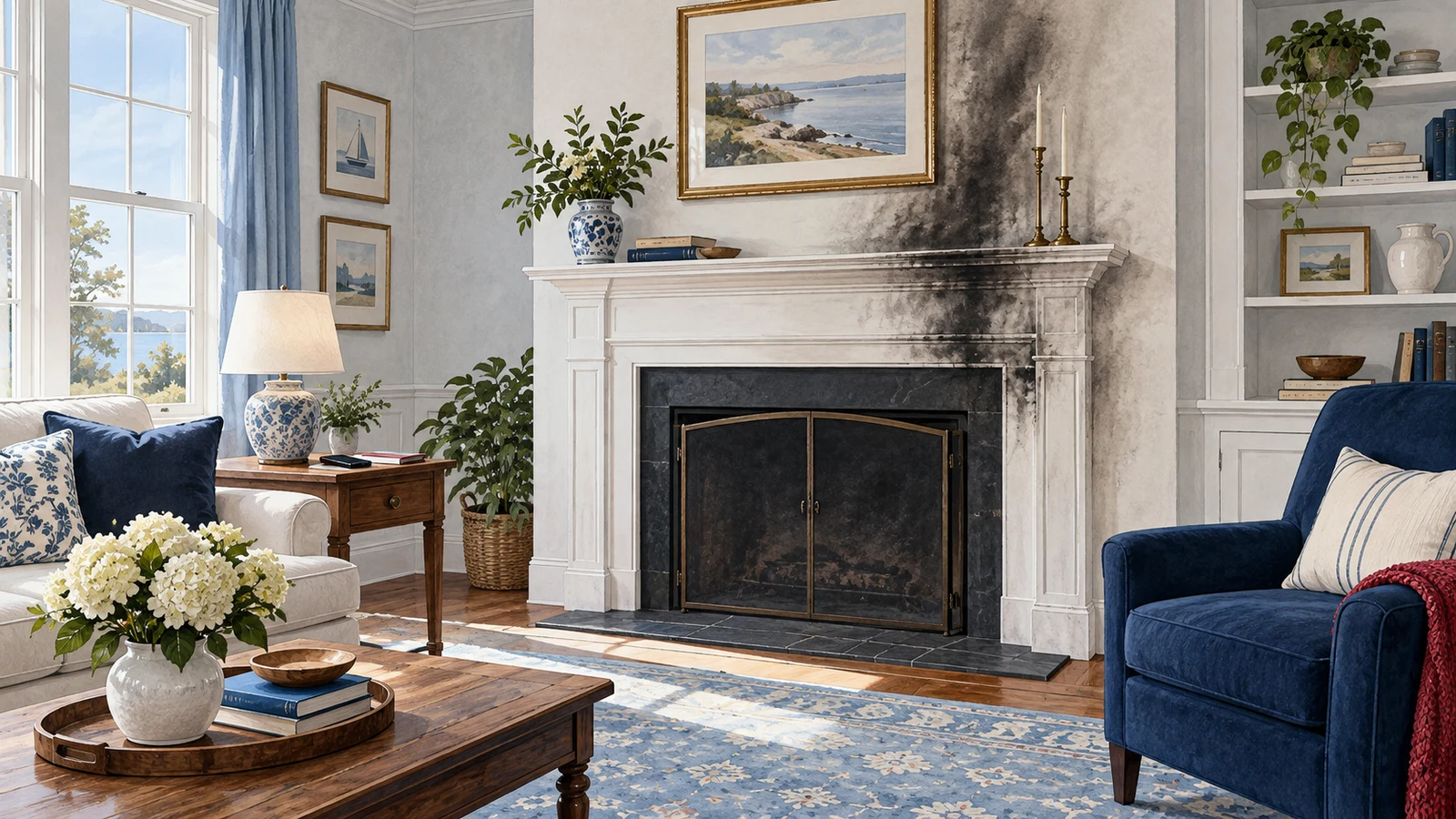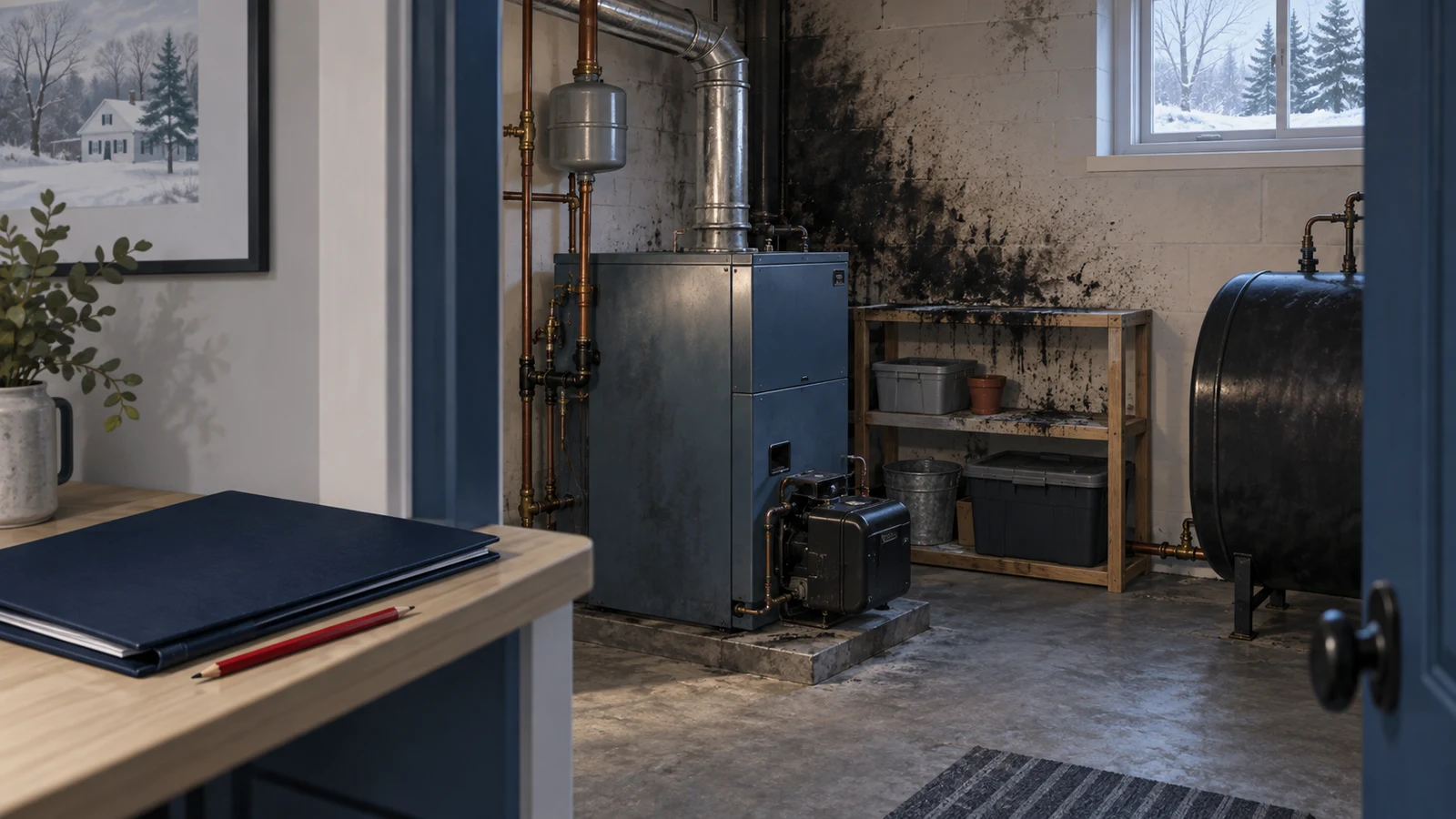


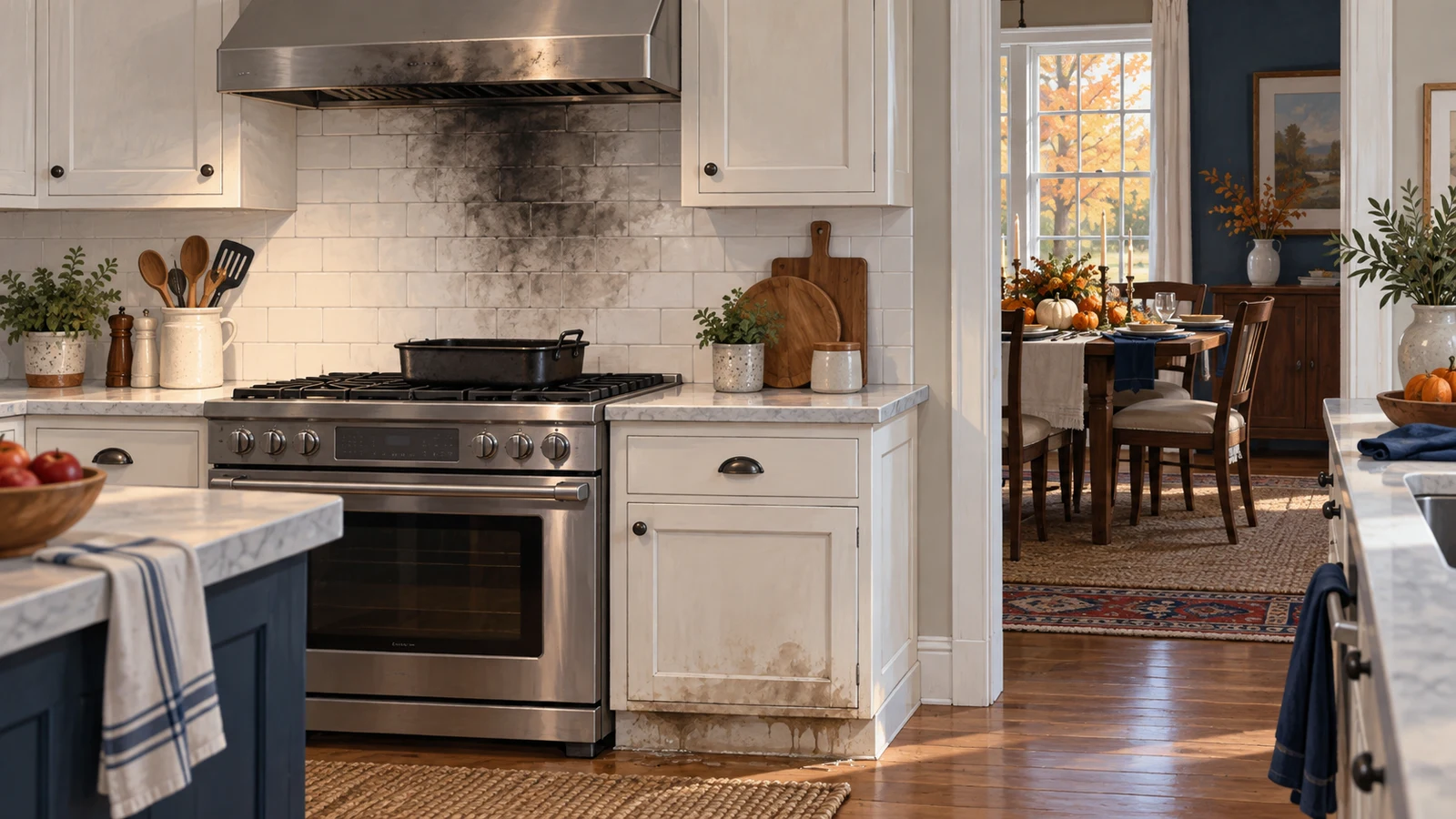
A kitchen fire can leave several different kinds of damage in a small space: burned cabinets, smoke deposits, wet flooring, and affected belongings. Once everyone is safe and emergency responders have cleared access, document each part rather than reducing the loss to the appliance where it began.
USFA estimated an annual average of 2,300 U.S. residential building fires on Thanksgiving during 2017–2019. This historical study covers all residential building fires on the holiday, not only cooking fires, and is not a forecast for this year. It provides context for preparing a clear response plan. USFA Thanksgiving study
Begin with safety and the event record
Do not reenter an unsafe room to collect possessions or photographs. Follow emergency-service instructions and obtain appropriate professional help for utilities, structural concerns, and damaged equipment.
Request the fire-department incident information when available. Record when the event occurred, who reported it, what areas responders accessed, and any instructions given. Avoid assigning a technical cause before the investigation supports it.
In an illustrative attached New York home, a cooking fire affects the kitchen while smoke reaches a stairwell and water flows into the room below. The record needs to describe those separate locations and conditions.
Photograph direct damage in context
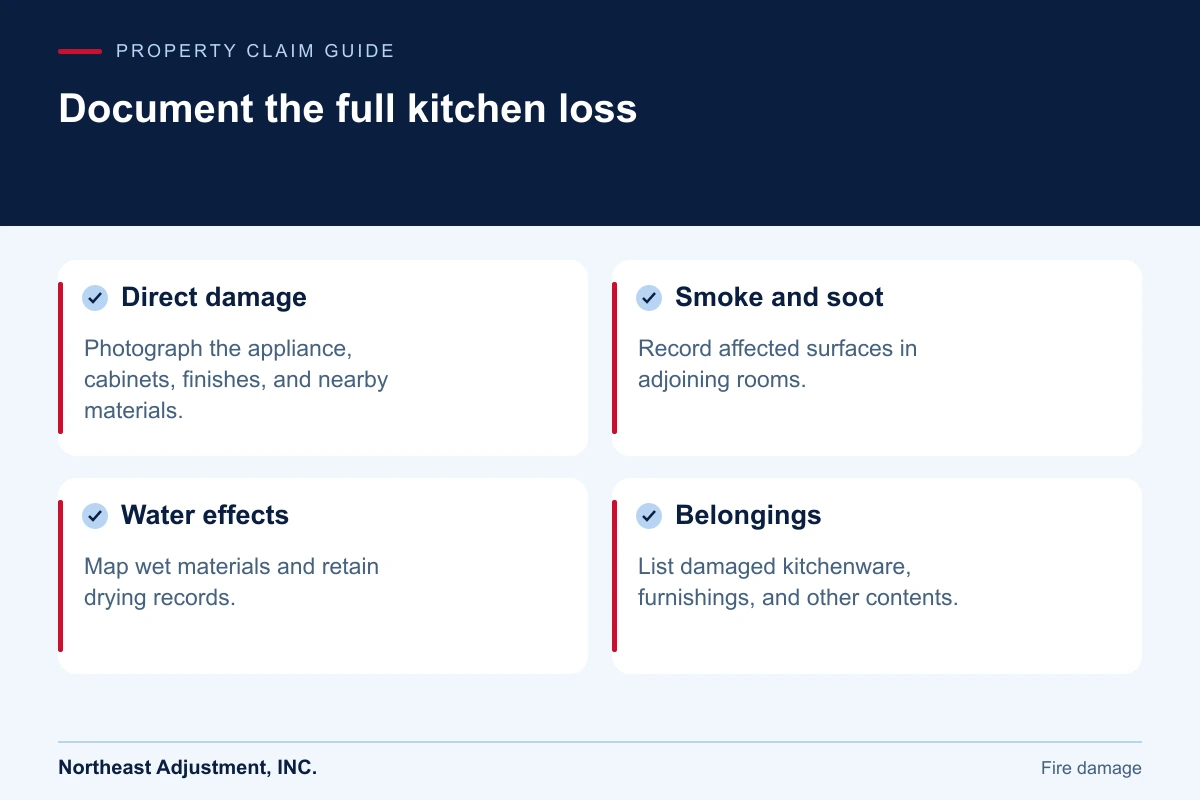
Take wide views of the kitchen and closer views of the appliance, cabinets, counters, backsplash, flooring, walls, and ceiling. Identify what was moved or removed during the response.
Record product labels and material details when accessible. Custom cabinets, built-in appliances, stone counters, and older trim can require specific descriptions to develop a meaningful repair scope.
Do not operate a damaged appliance or disturb potential evidence to retrieve a model number. Ask the appropriate professional to help if the equipment needs to remain untouched.
Follow smoke and water into adjoining areas
Walk only through safe accessible spaces. Note visible deposits, staining, wet materials, and affected belongings in nearby rooms, above the kitchen, and below it.
A smoke assessment and a moisture assessment answer different questions. Ask the restoration team to explain what areas and materials were evaluated, what treatment is proposed, and what remains uncertain.
Save moisture readings, equipment logs, removal photographs, and cleaning recommendations. A room that never contained flames can still require assessment, but its treatment should be supported by findings rather than assumed.
Make a contents inventory before the details fade
Group belongings by room and type. Include cookware, dishes, pantry goods, small appliances, textiles, furniture, and electronics where affected.
For each item, record the description, quantity, condition, age if known, and available ownership or purchase evidence. Distinguish an item requiring assessment from one a qualified professional has determined cannot be restored.
Unsafe food should be handled according to appropriate safety guidance. Do not keep contaminated food waiting for an inspection. Photograph labels and quantities safely, and retain disposal directions or contractor records.
If belongings are packed out, obtain an inventory showing what left, its condition, and its destination.
Keep emergency work and permanent repairs clear
The Connecticut Insurance Department's claim guidance recommends prompt notice, photographs, and records of temporary repairs. Apply that documentation approach while arranging necessary protective work.
Ask the insurer how inspections and permanent reconstruction will be coordinated. Keep source-related work, building cleanup, contents treatment, drying, and reconstruction identifiable in estimates and invoices.
Coverage depends on the policy and facts. Do not assume every proposed replacement is payable or that equipment damage settles all smoke and water questions. If an item is disputed, request the reason and provide the relevant findings.
Questions after a holiday kitchen fire
Can I clean the soot myself?
Ask a restoration professional about safe methods and the effect on different materials. Document conditions first when safe.
Does the claim include rooms without burn marks?
Report observed smoke or water effects and request assessment. Coverage and repair decisions depend on documented damage and policy terms.
What if I cannot stay in the home?
Record why it is unsafe or unusable and contact the insurer about temporary accommodation and expense documentation.
Our fire-claim articles cover related recovery steps. Contact Northeast Adjustment to discuss organizing the full building and contents record after a kitchen fire.