Staten Island Public Adjuster Services

Get help documenting a Staten Island property damage claim. Our adjusters understand coastal challenges and help present the full documented loss.

Icon check mark
FREE onsite inspection
Icon check mark
Policyholder-Focused Claim Support
Icon check mark
Avaliable 24/7
Explore options

Public Adjuster Services Across Staten Island

We assist Staten Island homeowners, landlords, businesses, property managers, condominium owners, and commercial property owners with property insurance claims. Our work may include reviewing coverage, documenting property damage, preparing claim materials, and communicating with the insurance company on the policyholder's behalf.

  • Homeowners insurance claims
  • Landlord and rental-property claims
  • One-to-four-family property claims
  • Condominium and townhouse claims
  • Apartment and multifamily claims
  • Coastal property claims
  • Commercial and industrial property claims
  • Business interruption and extra-expense claims

Staten Island is part of our statewide service area. See the New York public adjuster page for every area we serve.


Our loyalty is to you, not your insurance company.
Thank you! A team member will be in touch shortly.
Oops! Something went wrong while submitting the form.
Don't settle for less, maximizing your compensation is our priority.

What Makes Staten Island Property Claims Different

Staten Island contains suburban residential communities, coastal neighborhoods, apartment and mixed-use areas, natural drainage corridors, maritime properties, and industrial districts. Building types and claim risks can change considerably from one part of the borough to another.

Detached and Low-Density Housing

Many Staten Island neighborhoods contain detached, semi-detached, and one-to-four-family homes with basements, yards, garages, roofs, siding, and detached structures. Claims may involve both the main residence and exterior property components.

Coastal and Tidal Exposure

Properties near the East Shore, South Shore, Arthur Kill, Kill Van Kull, Raritan Bay, and Lower New York Bay may face storm surge, tidal flooding, wind, saltwater, erosion, and damage to lower-level systems.

Bluebelts and Natural Drainage

Staten Island uses a distinctive stormwater system that incorporates wetlands, streams, ponds, and natural drainage corridors. These systems help manage runoff, but individual flood risk still depends on the property, rainfall, drainage, elevation, and nearby infrastructure.

Industrial and Maritime Properties

The North and West Shores contain warehouses, maritime businesses, freight operations, utilities, manufacturing areas, and logistics facilities. Commercial losses may involve equipment, vehicles, inventory, utilities, tenant improvements, and interruption to normal operations.

Staten Island Property Types We Assist

Approximately 67.7% of Richmond County's occupied homes were owner-occupied during 2020–2024 — a larger share than in the other New York City boroughs. Different properties require different claim documentation.

Residential Properties

  • Detached single-family homes
  • Semi-detached homes
  • Two-family homes
  • Three- and four-family homes
  • Townhouses
  • Condominiums
  • Garden apartments
  • Apartment buildings
  • Rental properties
  • Waterfront homes
  • Homes with garages or detached structures

Commercial, Maritime, and Industrial Properties

  • Mixed-use buildings
  • Retail storefronts
  • Restaurants
  • Offices
  • Medical and institutional properties
  • Warehouses
  • Maritime properties
  • Logistics and freight properties
  • Manufacturing and industrial buildings

A residential claim may involve the home, contents, basement, garage, landscaping, detached structures, and temporary housing, while a commercial claim may also involve equipment, vehicles, inventory, business income, and extra expenses.

Property Risks Across Staten Island

Claim concerns are not the same in every part of the borough. Flood exposure must be checked at the property level.

North Shore

St. George, Tompkinsville, Stapleton, Clifton, Rosebank, West Brighton, Port Richmond, Mariners Harbor, and nearby communities contain apartment buildings, detached and attached homes, mixed-use properties, retail corridors, civic buildings, maritime areas, and industrial properties. Claim concerns may include apartment plumbing, roof leaks, fire, smoke, rainfall flooding, waterfront exposure, sewer or drainage problems, and commercial interruption.

Mid-Island

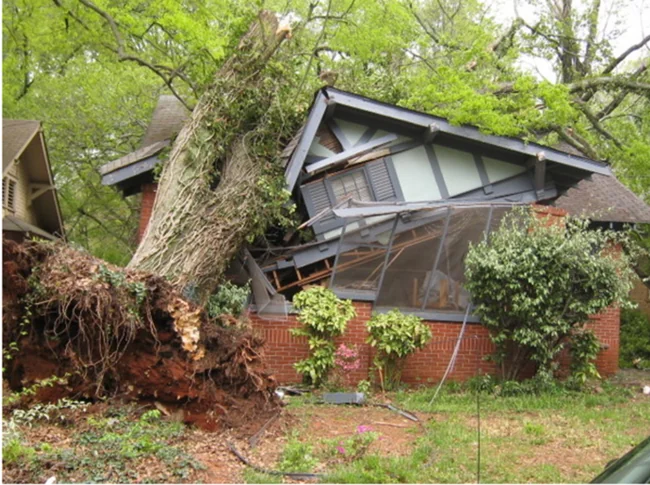
New Springville, Bulls Head, Willowbrook, Westerleigh, Castleton Corners, Todt Hill, Dongan Hills, and surrounding neighborhoods contain detached homes, semi-detached homes, townhouses, condominiums, garden apartments, retail properties, schools, and medical facilities. Common risks may include basement water, burst pipes, roof leaks, wind, fallen trees, snow, ice, fire, and drainage problems.

East Shore

South Beach, Midland Beach, New Dorp Beach, Oakwood Beach, Ocean Breeze, Grasmere, and nearby coastal neighborhoods may face storm surge, tidal flooding, wind, saltwater intrusion, roof damage, and damage to lower-level utilities or mechanical systems. Hurricane Sandy caused severe flooding and property damage across parts of the East Shore.

South Shore

Great Kills, Eltingville, Annadale, Huguenot, Prince's Bay, Pleasant Plains, Tottenville, and nearby communities contain detached and semi-detached homes, townhouses, coastal properties, wetlands, streams, ponds, and Bluebelt drainage areas. Claim concerns may include coastal flooding, heavy rain, basement water, drainage problems, wind, fallen trees, burst pipes, roof leaks, and damage to garages or detached structures.

West Shore

Bloomfield, Chelsea, Travis, Charleston, Rossville, Howland Hook, and nearby areas contain industrial properties, warehouses, logistics facilities, freight operations, utilities, open land, and lower-density residential communities. Claims may involve flooding near Arthur Kill, wind, fire, equipment, vehicles, inventory, utilities, environmental cleanup concerns, and business interruption.

Staten Island Properties Can Flood in Different Ways

Water may enter Staten Island properties through storm surge, tidal water, intense rainfall, stormwater runoff, overflowing waterways, plumbing failures, roof damage, or sewer and drain backup. The source of the water may affect which policy, exclusion, or endorsement applies.

Coastal and Tidal Flooding

May involve Lower New York Bay, Raritan Bay, the Narrows, Arthur Kill, Kill Van Kull, storm surge, tidal water, saltwater, debris, and damage to lower-level systems.

Rainfall and Stormwater Flooding

May occur when intense rain overwhelms streets, catch basins, storm sewers, natural drainage corridors, or low-lying properties, including locations away from the shoreline.

Plumbing and Interior Water Damage

May involve burst pipes, appliance failures, sprinkler systems, leaking plumbing, heating equipment, or water traveling between floors and adjoining spaces. Standard homeowners insurance generally distinguishes external flooding from burst pipes, appliance failures, roof leaks, and water entering through a storm-created opening.

Sewer and Drain Backup

May involve water or sewage entering through drains or plumbing fixtures. Coverage depends on the policy and whether a sewer-backup or water-backup endorsement applies.

Coverage depends on the cause of loss and the specific policy. The source of the water should be identified before any conclusion is reached about coverage.

Hurricane Sandy and Staten Island Coastal Claims

Hurricane Sandy caused severe coastal flooding and property damage along parts of Staten Island, with the East Shore among the hardest-hit areas. Continuing city and federal resilience work reflects the documented storm-surge risk along this shoreline.

Claim issues from coastal storms like Sandy can include:

  • Storm-surge and tidal-water damage
  • Flooding of basements and lower levels
  • Saltwater affecting electrical and mechanical systems
  • Damage to boilers, utilities, and equipment
  • Roof, siding, and window damage
  • Damage to garages and detached structures
  • Sand, debris, and contamination
  • Temporary housing needs
  • Questions involving flood and homeowners policies
  • Mold following prolonged moisture

Coastal exposure is most relevant in East Shore communities such as South Beach, Midland Beach, New Dorp Beach, Oakwood Beach, and Ocean Breeze. Exposure differs from property to property and should be checked against current property-level flood maps.

The Staten Island Bluebelt and Property Drainage

The Staten Island Bluebelt uses wetlands, streams, ponds, and natural drainage corridors together with conventional storm sewers. The system drains 16 watersheds covering approximately 10,000 acres, primarily in the southern portion of the borough.

How the Bluebelt Works

Bluebelts collect, store, convey, and filter stormwater through natural and engineered drainage features. They are designed to reduce runoff and support local waterways.

What Property Owners Should Know

A nearby Bluebelt does not eliminate all property-level flood risk. Heavy rain, blocked drainage, property grading, nearby waterways, elevation, and building construction may still affect how water reaches a home or business.

Related claim issues can include:

  • Street and yard flooding
  • Water entering basements
  • Overflow from nearby ponds or streams
  • Roof and downspout runoff
  • Damage to garages and lower levels
  • Mold after prolonged moisture
  • Disputes involving surface water, drainage, plumbing, and sewer causes

Whether a specific property drains toward Bluebelt infrastructure requires address-level research, and the presence of nearby Bluebelt infrastructure does not mean a property cannot flood.

Staten Island Waterfront Property Claims

Staten Island waterfront claims may involve more than visible water inside a building. Storm surge, tidal water, saltwater, wind, debris, erosion, damaged utilities, garages, exterior structures, and lower-level mechanical systems may all require documentation.

  • Storm-surge and tidal-water damage
  • Wind-damaged roofing and siding
  • Broken windows and exterior openings
  • Saltwater affecting electrical and mechanical systems
  • Damage to garages and detached structures
  • Damage to docks, fencing, stairs, and exterior improvements
  • Sand, debris, and contamination
  • Damage to contents and equipment
  • Temporary housing
  • Business interruption
  • Questions involving homeowners, commercial, and flood policies

Staten Island is surrounded by Lower New York Bay, the Narrows, Raritan Bay, Arthur Kill, and Kill Van Kull, and exposure varies considerably by elevation, shoreline, drainage, and building construction. No flood-zone conclusion should be reached for a specific property without checking current property-level flood maps.

Claims Involving Staten Island Homes and Exterior Property

Detached and semi-detached homes may involve property components that are less common on dense apartment pages. A claim may extend beyond the interior living space.

  • Roof and siding damage
  • Windows and exterior doors
  • Basements and crawl spaces
  • Garages
  • Fences and gates
  • Decks and stairs
  • Sheds and detached structures
  • Fallen trees and landscaping
  • Driveways and exterior surfaces
  • Personal property
  • Temporary housing

Coverage for landscaping, trees, fences, and detached structures depends on the policy, the cause of loss, and applicable limits — these items are not covered under every policy.

Staten Island Apartment and Condominium Claims

The North Shore, Mid-Island, and other parts of Staten Island contain apartment buildings, condominiums, garden apartments, townhouses, and multifamily properties. Claims may require separating damage to individual units, personal property, common areas, shared systems, and building-owned components.

  • Water traveling between units
  • Shared plumbing and drain lines
  • Roof damage affecting several residences
  • Smoke migration through halls, walls, or shafts
  • Fire and firefighting water damage
  • Damage to common areas
  • Unit-policy and master-policy questions
  • Temporary housing and loss of use
  • Rental-income and tenant-related issues
  • Association and managing-agent documentation

Responsibility should not be assigned without reviewing the policies, bylaws, leases, ownership records, and building documents.

Inland and Seasonal Property Risks

Not every Staten Island claim involves coastal flooding. Inland, wooded, and elevated neighborhoods may experience wind, fallen trees, snow, ice, frozen pipes, roof leaks, and power interruptions.

Wind and Fallen Trees

May affect roofing, siding, windows, utility lines, vehicles, fences, garages, and detached structures.

Snow and Ice

May contribute to roof leaks, ice dams, blocked drainage, exterior damage, and unsafe access.

Frozen and Burst Pipes

May damage walls, ceilings, flooring, contents, heating systems, and adjoining rooms.

Power Interruptions

May affect heating equipment, sump pumps, refrigeration, security systems, and business operations.

Coverage depends on the cause of loss and the specific policy; not every resulting loss is covered under every policy.

Staten Island Commercial and Industrial Property Claims

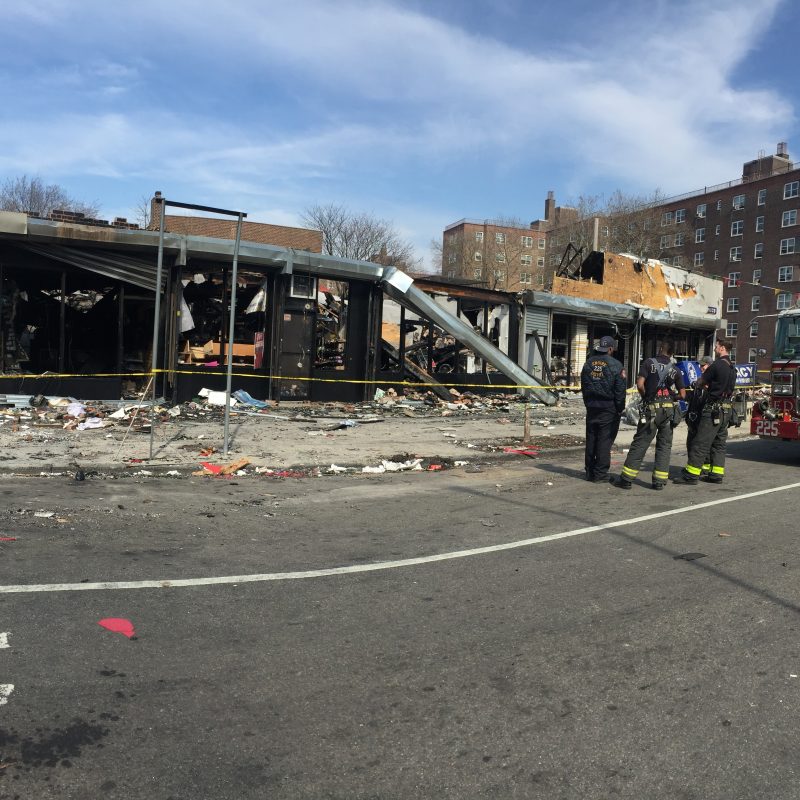
A loss may affect retail stores, restaurants, offices, medical properties, warehouses, maritime businesses, logistics facilities, utilities, manufacturing spaces, or freight operations. Depending on the policy, documentation may involve the building, equipment, vehicles, inventory, tenant improvements, business income, extra expenses, and temporary operating costs.
Building damage
Equipment and machinery
Vehicles and mobile equipment
Inventory and contents
Tenant improvements
Refrigeration and spoilage
Utility and power-related losses
Business interruption
Extra expense
Temporary relocation
Access limitations

Commercial, maritime, and industrial losses arise in areas such as St. George, Stapleton, Port Richmond, Mariners Harbor, Howland Hook, Bloomfield, Chelsea, Travis, and Charleston. Not every category is covered under every commercial policy; available coverage depends on the policy language and endorsements.

Claim Information for Staten Island Communities

Approximately 36.9% of Richmond County residents age five and older spoke a language other than English at home during 2020–2024. Property claim information should be clear and accessible through the website's English, Spanish, and Chinese versions.

Our Process
1
We perosnally inspect your property
2
We evaluate inventories to establish the true value of your loss
3
We serve as your direct liaison with the insurance company
4
We’ll ensure you receive the Maximum compensation
Request free claim review

Staten Island Public Adjuster FAQs

What does a public adjuster do in Staten Island?
When should I contact a Staten Island public adjuster?
Does homeowners insurance cover flooding in Staten Island?
Can Staten Island properties flood outside coastal flood zones?
Does the Bluebelt prevent all flooding?
Is sewer or drain-backup damage automatically covered?
Can a public adjuster assist with a detached-home claim?
Can a public adjuster help with a condominium claim?
Can you assist with a coastal property claim?
Can you help with a Staten Island commercial or industrial claim?
Is every East Shore property in the same flood zone?
Can fallen-tree damage be part of a property claim?
Still have questions?
Get in touch with our friendly support team.
Get in touch
Don't settle for less,
Maximize your claim
Every claim is unique in its own way.
Maximize your claim settlement with Northeast Adjustment Inc.
Get Free Claim Review
Fast, hassle-free claims process.
Policyholder-Focused Representation