How Insurance Companies Minimize Hurricane Claims
Insurance companies use specific tactics to reduce hurricane damage payouts:
The Flood Exclusion Game: They claim all water damage was flooding, not wind-driven rain. Standard policies exclude flood damage. By calling everything flooding, they deny coverage entirely.
The Pre-Existing Damage Claim: They allege your roof was already damaged before the hurricane. Old shingles, prior leaks, or normal wear become reasons to deny the claim.
The Partial Denial: They admit the hurricane caused some damage but claim most of it was pre-existing or from flooding. You get 20% of what you need.
The Lowball Wind Damage Estimate: They document wind damage but severely undervalue repair costs. Their estimate is half what contractors actually charge.
The Storm Surge Classification: Storm surge is flooding, which policies exclude. They photograph water lines and claim everything below that line was flood damage, not wind damage.
The Sequential Loss Argument: They claim wind damage happened first, making the house more susceptible to water damage. They pay only for the wind damage and exclude subsequent water intrusion.
What Your Hurricane Claim Should Cover
A proper hurricane damage settlement includes far more than roof repairs:
Structural Repairs: Complete rebuilding of damaged sections. Roof replacement, wall reconstruction, floor repairs. All at current construction costs, not depreciated values.
Wind-Driven Rain Damage: Water that entered through storm-damaged openings is covered. Drywall, flooring, insulation, ceilings. All interior damage from wind-driven rain qualifies.
Contents Loss: Furniture, electronics, clothing, appliances, and personal belongings damaged by wind or wind-driven rain. Replacement cost coverage, not actual cash value.
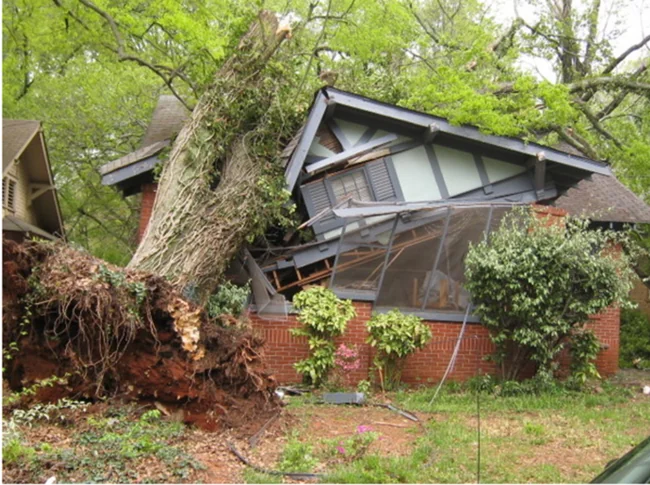
Debris Removal: Fallen trees, damaged structures, destroyed belongings. Removal and disposal costs add up quickly.
Additional Living Expenses: Hotel or rental housing while repairs are made. Restaurant meals. Storage costs. All increased living expenses during displacement.
Code Upgrades: Hurricane damage often triggers building code requirements. Stronger roof attachments, impact-resistant windows, upgraded shingles. These costs are significant.
Business Interruption: For commercial properties, lost income during closure. Extra expenses to operate temporarily. Employee wages while the business is shut down.