Manhattan Public Adjuster Services

Get help documenting a Manhattan property damage claim. Our adjusters understand the challenges of Manhattan buildings and help present the full documented loss.

Icon check mark
FREE onsite inspection
Icon check mark
Policyholder-Focused Claim Support
Icon check mark
Avaliable 24/7
Explore options

Public Adjuster Services Across Manhattan

We assist Manhattan homeowners, landlords, businesses, property managers, co-op shareholders, condominium owners, and commercial property owners with property insurance claims. Our work may include reviewing coverage, documenting property damage, preparing claim materials, and communicating with the insurance company on the policyholder's behalf.

  • Homeowners and unit-owner claims
  • Landlord and rental-property claims
  • Co-op and condominium claims
  • Apartment and high-rise claims
  • Townhouse and brownstone claims
  • Mixed-use property claims
  • Office, retail, hotel, and restaurant claims
  • Commercial property claims
  • Business interruption and extra-expense claims

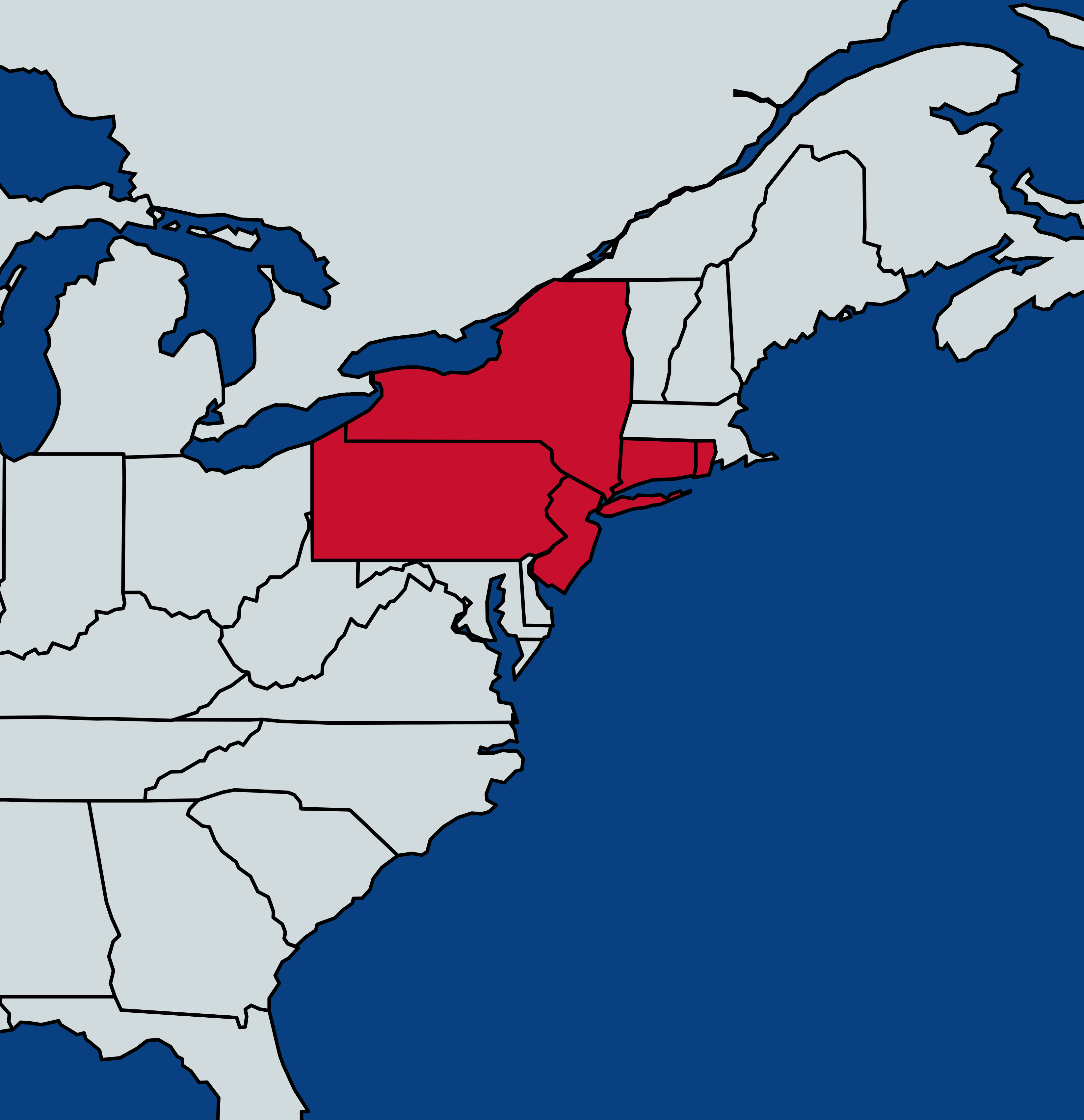
Manhattan is part of our statewide service area. See the New York public adjuster page for every area we serve.

Our loyalty is to you, not your insurance company.
Thank you! A team member will be in touch shortly.
Oops! Something went wrong while submitting the form.
Don't settle for less, maximizing your compensation is our priority.

What Makes Manhattan Property Claims Different

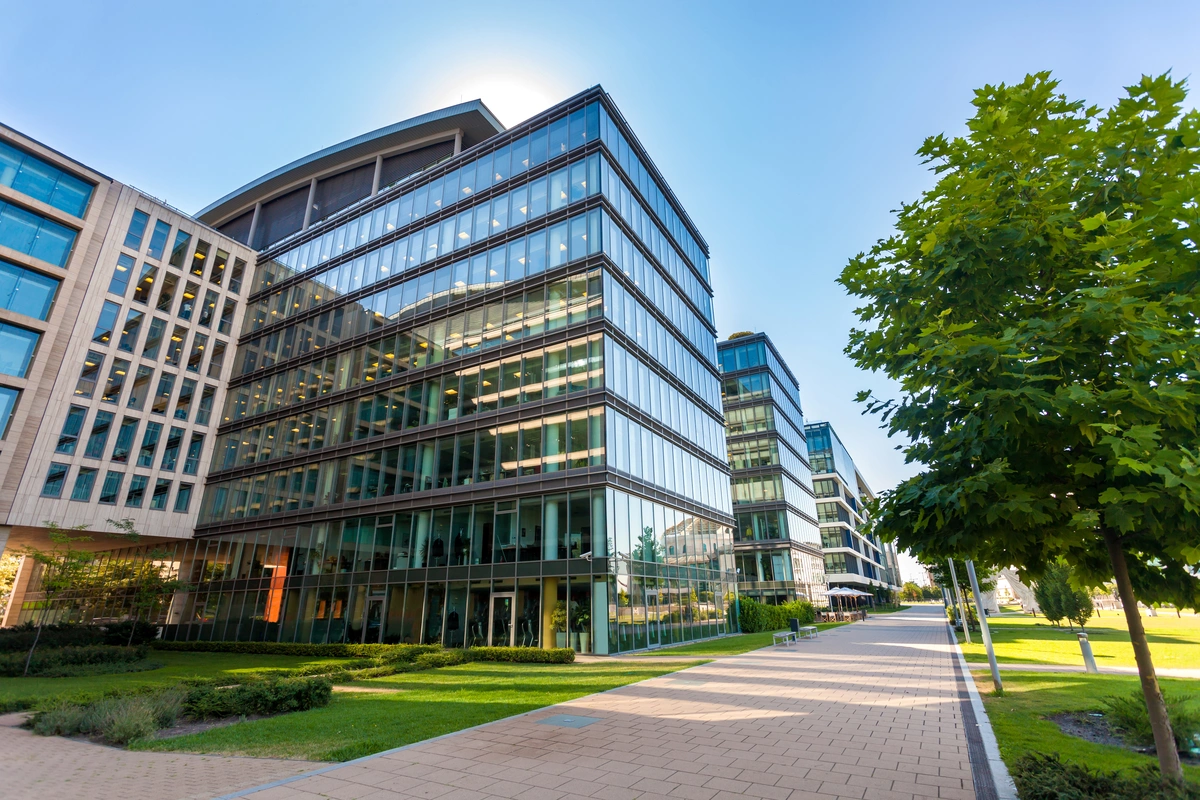
Manhattan contains high-rise towers, prewar apartment buildings, co-ops, condominiums, townhouses, historic properties, commercial districts, and mixed-use buildings. A single loss may affect several floors, occupants, businesses, building systems, and insurance policies.

Vertical and Shared Building Systems

Water, smoke, fire, and mold may travel through plumbing lines, shafts, walls, ceilings, ventilation systems, elevator areas, and common spaces. The visible damage inside one unit may represent only part of the loss.

Co-op and Condominium Coverage

A claim may involve the unit owner's policy, alterations and improvements, personal property, building systems, board responsibilities, and the building's master policy. The governing documents and policies must be reviewed before responsibility is assigned.

Historic and Landmarked Properties

Some Manhattan buildings are individual landmarks or located within historic districts. Certain exterior repairs or replacements may require Landmarks Preservation Commission review, but designation and permit requirements must be checked for the specific property.

Commercial and Institutional Properties

Manhattan contains offices, hotels, restaurants, theaters, retail stores, hospitals, schools, cultural spaces, and mixed-use properties. Claims may involve equipment, inventory, tenant improvements, business income, extra expenses, and temporary operations.

Manhattan Property Types We Assist

New York County had approximately 938,554 housing units in 2025, spread across very different building types. Different properties require different claim documentation.

Residential Properties

  • High-rise condominiums
  • High-rise co-ops
  • Prewar apartment buildings
  • Rental apartment buildings
  • Walk-up buildings
  • Brownstones
  • Townhouses
  • Single-family residences

Commercial, Mixed-Use, and Institutional Properties

  • Mixed-use buildings
  • Retail storefronts
  • Restaurants
  • Hotels
  • Office towers
  • Medical properties
  • Schools and institutional properties
  • Theaters and entertainment properties
  • Warehouses and service properties
  • Historic and landmarked properties
  • Waterfront properties

A residential claim may involve the unit, contents, shared systems, common areas, and temporary housing, while a commercial claim may also involve equipment, inventory, tenant improvements, business income, and extra expenses.

Property Risks Across Manhattan

Claim concerns are not the same in every part of the borough. Flood exposure must be checked at the property level.

Lower Manhattan

The Financial District, Seaport, Battery Park City, Tribeca, Civic Center, Chinatown, Two Bridges, and surrounding areas contain high-rise residences, office towers, historic buildings, mixed-use properties, hotels, retail, and institutional facilities. Claim concerns may involve coastal flooding, storm surge, lower-level mechanical systems, commercial interruption, fire, smoke, plumbing failures, and water traveling through high-rise buildings.

Lower East Side and East Village

The Lower East Side, East Village, Alphabet City, and nearby neighborhoods contain apartment buildings, walk-ups, public housing, mixed-use properties, restaurants, retail spaces, and waterfront areas. Relevant risks may include East River flooding, heavy rainfall, sewer or drainage problems, apartment plumbing, flat-roof leaks, fire, smoke, and storefront losses.

Midtown Manhattan

Midtown, Midtown East, Midtown South, Chelsea, Hell's Kitchen, Hudson Yards, and surrounding areas contain office towers, hotels, high-rise residences, theaters, restaurants, retail properties, and mixed-use buildings. Claims may involve water traveling between floors, sprinkler discharge, electrical and mechanical systems, elevators, roof damage, business interruption, equipment, and tenant improvements.

Upper East Side and Upper West Side

These areas contain prewar co-ops, condominiums, apartment buildings, brownstones, townhouses, high-rises, schools, medical properties, retail, and historic districts. Common claim concerns may involve aging plumbing, roof leaks, water between units, fire, smoke, shared building systems, and repairs affecting designated properties.

Harlem and East Harlem

Central Harlem, West Harlem, East Harlem, Hamilton Heights, Manhattanville, and surrounding communities contain prewar apartment buildings, brownstones, townhouses, public housing, mixed-use buildings, schools, medical properties, and commercial corridors. Heavy rain, basement water, Harlem River or East River exposure, plumbing failures, roof leaks, fire, smoke, and damage to shared systems may affect residential and commercial properties.

Washington Heights and Inwood

Washington Heights, Hudson Heights, Fort George, Inwood, and surrounding areas contain prewar apartment buildings, co-ops, walk-ups, mixed-use properties, institutional buildings, and commercial corridors. Claim concerns may include roof leaks, burst pipes, water between apartments, basement flooding, heavy rain, fallen trees, fire, smoke, and exposure near the Hudson and Harlem rivers.

Manhattan Water Damage Can Have Different Causes

Water may enter Manhattan properties through storm surge, tidal water, intense rainfall, plumbing failures, sprinkler systems, roof damage, appliance failures, or sewer backup. The source of the water can affect which policy, exclusion, or endorsement applies.

Coastal and Tidal Flooding

May involve the Hudson River, East River, Harlem River, New York Harbor, storm surge, high tides, saltwater, and damage to lower-level systems.

Rainfall and Surface-Water Flooding

May occur when intense rain overwhelms streets, drainage systems, sewers, courtyards, areaways, basements, and lower-level commercial spaces outside mapped coastal flood zones.

Plumbing and Interior Water Damage

May involve burst pipes, risers, appliances, sprinkler systems, plumbing leaks, HVAC equipment, or water moving vertically through several floors. Standard property insurance generally distinguishes external flooding from plumbing leaks, appliance failures, and water entering through a storm-created opening.

Sewer and Drain Backup

May involve water or sewage entering through drains or plumbing fixtures. Coverage depends on the policy and whether a sewer-backup or water-backup endorsement applies.

Coverage depends on the cause of loss and the specific policy. The source of the water should be identified before any conclusion is reached about coverage.

Hurricane Sandy and Lower Manhattan Coastal Claims

Hurricane Sandy exposed Lower Manhattan and the East Side to severe coastal flooding and storm surge. New York City now has several major coastal-resilience projects covering parts of Lower Manhattan and the East Side.

Claim issues from coastal storms like Sandy can include:

  • Flooding of basements and lower levels
  • Damage to electrical and mechanical rooms
  • Elevator and building-system disruption
  • Water affecting retail and commercial spaces
  • Saltwater and contaminated-water damage
  • Damage to contents and equipment
  • Temporary closures and business interruption
  • Access limitations
  • Questions involving flood and property policies
  • Mold following prolonged moisture

Coverage for these losses depends on the cause of the water, the specific policies, and applicable endorsements.

Waterfront Property Claims Along Manhattan's Rivers

Manhattan is bordered by the Hudson, East, and Harlem rivers. Coastal exposure differs by elevation, shoreline conditions, nearby infrastructure, and the individual property.

  • Storm-surge and tidal-water damage
  • Wind-damaged roofing and exterior systems
  • Broken windows and exterior openings
  • Water affecting electrical and mechanical rooms
  • Damage to elevators and lower-level equipment
  • Saltwater, debris, and contamination
  • Damage to basements, loading areas, and garages
  • Business interruption
  • Questions involving flood and property policies

The Lower Manhattan Coastal Resiliency and East Side Coastal Resiliency projects reflect that coastal flood exposure is a documented planning concern along parts of the waterfront. Flood exposure still differs from property to property and should be checked against current property-level flood maps.

Heavy Rain and Manhattan Sewer Systems

Parts of Manhattan use combined sewer infrastructure that carries stormwater and wastewater through the same pipes. During heavy rainfall, higher flows may contribute to drainage problems, street flooding, overflow events, and lower-level water damage.

Related claim issues can include:

  • Basement or cellar water
  • Lower-level retail flooding
  • Sewer or drain backup
  • Damage to boilers and mechanical systems
  • Water entering elevator pits
  • Contaminated flooring and contents
  • Cleanup and remediation expenses
  • Business interruption
  • Disputes involving flood, sewer, roof, and plumbing causes

Sewer-backup coverage should not be assumed. The policy and any applicable endorsement must be reviewed.

Claims Involving Manhattan High-Rise Buildings

High-rise claims may affect more than the unit or floor where the loss began. Water, smoke, soot, heat, and firefighting water may travel vertically through shared systems and affect several occupants or businesses.

  • Water moving through ceilings and walls
  • Plumbing riser and sprinkler losses
  • Elevator and elevator-pit damage
  • Electrical and mechanical systems
  • HVAC and ventilation systems
  • Smoke migration between floors
  • Firefighting water damage
  • Damage to common areas
  • Building access restrictions
  • Temporary housing
  • Business interruption
  • More than one insurance policy

Damage may extend beyond the area where it first appears, and conclusions about building systems require inspection of the specific property.

Manhattan Co-op and Condominium Claims

Manhattan co-op and condominium claims may involve the unit owner's coverage, personal property, alterations, improvements, shared systems, common areas, board responsibilities, and the building's master policy. The policies and governing documents should be reviewed together.

  • Water traveling between units
  • Shared plumbing or riser failures
  • Roof and façade-related water entry
  • Damage to alterations and improvements
  • Common-area damage
  • Smoke or soot migration
  • Unit-policy and master-policy questions
  • Temporary housing and loss of use
  • Assessment or deductible questions
  • Managing-agent and board documentation

Responsibility should not be assigned without reviewing the applicable policies, bylaws, proprietary lease, offering plan, alteration agreements, and building records.

Claims Involving Historic and Prewar Manhattan Properties

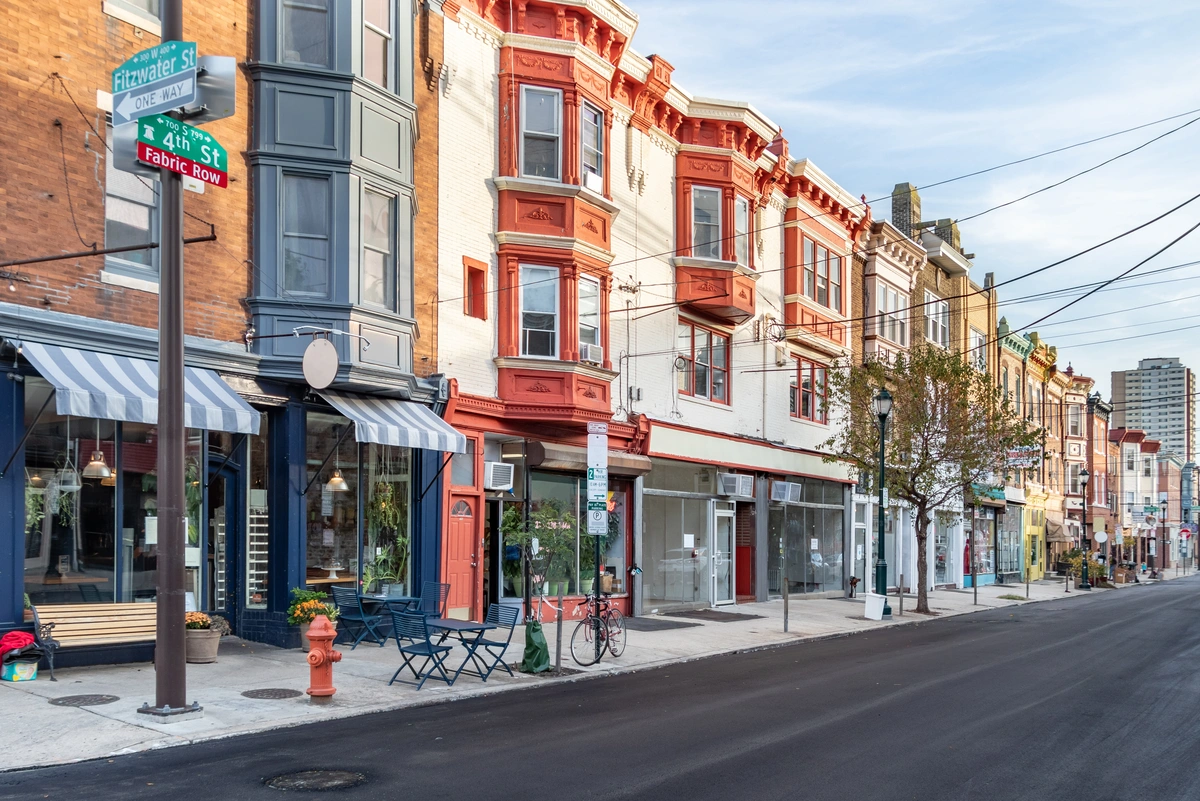
Manhattan contains many prewar buildings, townhouses, brownstones, and properties within designated historic districts. Older construction may include plaster, masonry, wood flooring, decorative finishes, cornices, custom windows, and other materials requiring detailed documentation.

Property Documentation

The claim may require identifying damaged original materials, prior alterations, matching concerns, access requirements, and the work needed to restore the affected area. Repair requirements vary by property type, materials, access, permits, labor, and scope of work.

Landmark Review

Exterior work on a designated landmark or a building within a historic district may require Landmarks Preservation Commission review. Ordinary maintenance does not always require approval, so the specific property and proposed work must be checked.

Manhattan Commercial and Mixed-Use Property Claims

A Manhattan property loss may affect offices, hotels, restaurants, theaters, retail stores, medical facilities, schools, cultural organizations, or businesses below residential units. Depending on the policy, documentation may involve the building, equipment, inventory, tenant improvements, business income, extra expenses, and temporary operating costs.
Building damage
Office equipment and technology
Inventory and contents
Tenant improvements
Hotel and hospitality operations
Restaurant equipment and spoilage
Business interruption
Extra expense
Temporary relocation
Power and utility-related losses
Event or performance disruption
Access limitations

Not every category is covered under every commercial policy; available coverage depends on the policy language and endorsements.

Claim Information for Manhattan Communities

Approximately 36.9% of New York County residents age five and older spoke a language other than English at home during 2020–2024. Property claim information should be clear and accessible through the website's English, Spanish, and Chinese versions.

Our Process
1
We perosnally inspect your property
2
We evaluate inventories to establish the true value of your loss
3
We serve as your direct liaison with the insurance company
4
We’ll ensure you receive the Maximum compensation
Request free claim review

Manhattan Public Adjuster FAQs

What does a public adjuster do in Manhattan?
When should I contact a Manhattan public adjuster?
Does homeowners or unit-owner insurance cover flooding in Manhattan?
Can a Manhattan property flood outside a coastal flood zone?
Is sewer-backup damage automatically covered?
Can a public adjuster help with a Manhattan co-op or condo claim?
Can you assist with a high-rise water-damage claim?
Can a public adjuster help with a landmarked property claim?
Can you assist with a Manhattan commercial-property claim?
Can smoke damage affect floors away from the fire?
Is Lower Manhattan flood risk the same throughout the area?
Does a prewar building automatically require landmark approval for repairs?
Still have questions?
Get in touch with our friendly support team.
Get in touch
Don't settle for less,
Maximize your claim
Every claim is unique in its own way.
Maximize your claim settlement with Northeast Adjustment Inc.
Get Free Claim Review
Fast, hassle-free claims process.
Policyholder-Focused Representation