Long Island Public Adjuster Services

Get help documenting a Long Island property damage claim. Our adjusters understand coastal challenges and help present the full documented loss.

Icon check mark
FREE onsite inspection
Icon check mark
Policyholder-Focused Claim Support
Icon check mark
Avaliable 24/7
Explore options

Public Adjuster Services Across Nassau and Suffolk Counties

We assist Long Island homeowners, landlords, businesses, property managers, condominium owners, association representatives, and commercial property owners with property insurance claims throughout Nassau and Suffolk counties.

Our work may include reviewing coverage, documenting property damage, preparing supporting claim materials, and communicating with the insurance company on the policyholder's behalf.

  • Homeowners insurance claims
  • Landlord and rental-property claims
  • One-to-four-family property claims
  • Condominium and townhouse claims
  • Waterfront property claims
  • Seasonal and secondary-home claims
  • Commercial and industrial claims
  • Business interruption and extra-expense claims

Long Island is part of our statewide service area. See the New York public adjuster page for every area we serve.


Our loyalty is to you, not your insurance company.
Thank you! A team member will be in touch shortly.
Oops! Something went wrong while submitting the form.
Don't settle for less, maximizing your compensation is our priority.

What Makes Long Island Property Claims Different

Long Island contains dense Nassau County suburbs, lower-density Suffolk communities, waterfront villages, barrier islands, inland neighborhoods, commercial centers, industrial corridors, farms, seasonal properties, and East End communities. Property construction, drainage, wastewater infrastructure, coastal exposure, and claim documentation can differ considerably by address.

Owner-Occupied Residential Properties

More than four out of five occupied housing units in both Nassau and Suffolk counties were owner-occupied during 2020–2024. Many claims involve detached homes, basements, garages, yards, roofs, siding, and exterior structures.

Two Distinct Coastlines

The South Shore faces the Atlantic Ocean, barrier islands, bays, inlets, and estuaries. The North Shore faces Long Island Sound and contains harbors, bluffs, coves, and waterfront communities.

Sewer and Septic Differences

Wastewater infrastructure varies throughout Long Island. Some properties are connected to public or private sewer systems, while many Suffolk properties use onsite septic systems or cesspools.

Diverse Commercial Properties

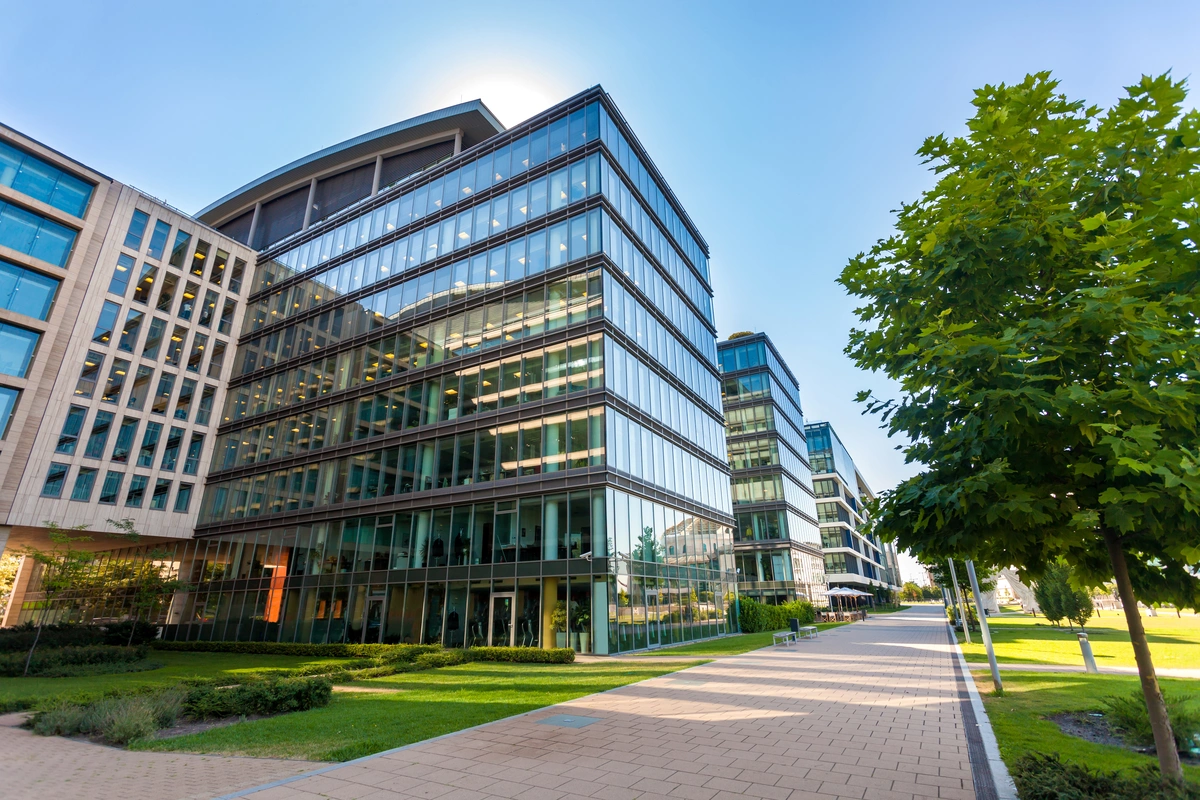
Long Island contains retail centers, healthcare facilities, offices, warehouses, hotels, restaurants, manufacturing operations, research facilities, farms, wineries, marinas, and seasonal businesses.

Long Island Property Types We Assist

Nassau and Suffolk counties together had approximately 1.06 million housing units in 2025. Different properties require different claim documentation.

Residential Properties

  • Detached single-family homes
  • Semi-detached homes
  • Two-family homes
  • Three- and four-family homes
  • Townhouses
  • Condominiums
  • Garden apartments
  • Apartment buildings
  • Rental properties
  • Waterfront homes
  • Barrier-island homes
  • Seasonal and secondary residences
  • Homes with basements or garages

Commercial, Industrial, and Agricultural Properties

  • Mixed-use buildings
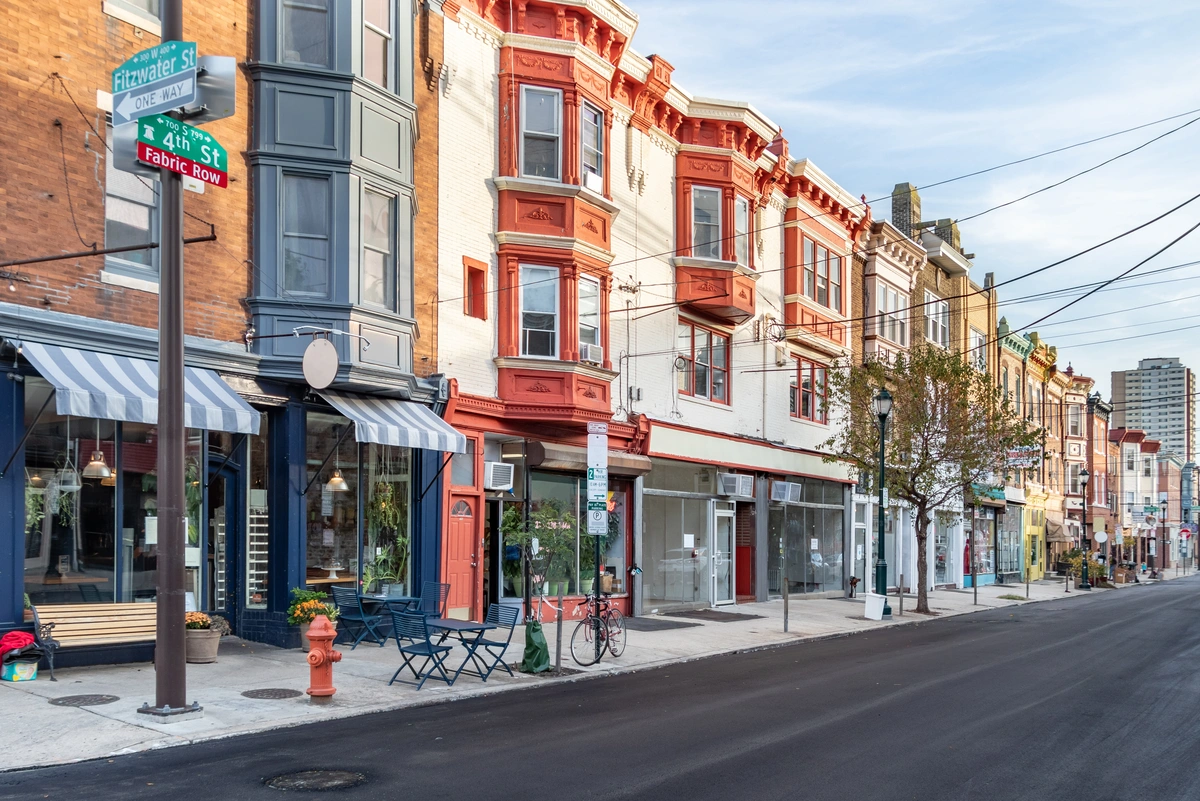
  • Retail storefronts
  • Restaurants
  • Hotels and hospitality properties
  • Offices and medical facilities
  • Warehouses
  • Manufacturing facilities
  • Research and technology properties
  • Marinas and maritime businesses
  • Farms, wineries, and agricultural properties

A residential claim may involve the home, contents, basement, garage, exterior structures, and temporary housing, while a commercial claim may also involve equipment, inventory, tenant improvements, business income, and extra expenses.

Property Risks Across Long Island

Claim concerns are not the same in every part of Nassau and Suffolk counties. Flood exposure must be checked at the property level.

Western and Central Nassau

New Hyde Park, Great Neck, Manhasset, Garden City, Mineola, Westbury, Hicksville, Hempstead, Uniondale, Levittown, and surrounding areas contain detached homes, multifamily buildings, condominiums, apartments, retail corridors, offices, hospitals, and institutional properties. Claim concerns may include plumbing failures, basement water, roof leaks, fire, smoke, burst pipes, wind, fallen trees, commercial interruption, and water traveling between attached or multifamily spaces.

Nassau South Shore and Barrier Communities

Long Beach, Atlantic Beach, Island Park, Oceanside, East Rockaway, Freeport, Baldwin, Merrick, Bellmore, Wantagh, Seaford, and Massapequa include waterfront homes, barrier-island properties, canals, marinas, mixed-use areas, and suburban housing. Relevant risks may include storm surge, tidal flooding, saltwater, wind, roof and siding damage, lower-level flooding, damaged utilities, and business interruption.

Nassau North Shore

Great Neck, Port Washington, Roslyn, Sea Cliff, Glen Cove, Bayville, Oyster Bay, and surrounding communities contain detached homes, waterfront properties, historic buildings, apartments, commercial areas, harbors, coves, and shoreline properties. Claim concerns may involve North Shore flooding, wind, trees, roof damage, plumbing losses, coastal erosion, bulkheads, and water affecting lower-level systems — coverage for erosion and bulkheads depends on the policy and is not included under every policy.

Western and Central Suffolk

Huntington, Babylon, Deer Park, Commack, Smithtown, Hauppauge, Brentwood, Ronkonkoma, Central Islip, and surrounding areas contain detached homes, townhouses, apartments, retail centers, offices, industrial parks, warehouses, healthcare facilities, and manufacturing properties. Relevant risks may include basement water, plumbing failures, roof leaks, wind, fallen trees, fire, smoke, winter weather, power interruption, equipment damage, and commercial losses.

Suffolk South Shore and Fire Island

Lindenhurst, Bay Shore, Islip, Sayville, Patchogue, Bellport, Mastic, Shirley, the Moriches communities, and Fire Island include bayside, oceanfront, canal, barrier-island, residential, maritime, and commercial properties. Storm surge zones exist around the South Shore, inland bays, and Fire Island, but the exposure of an individual property must be verified by address.

North Shore, North Fork, and East End

Northport, Stony Brook, Port Jefferson, Riverhead, Southold, Greenport, Shelter Island, Southampton, East Hampton, Montauk, and surrounding communities contain waterfront homes, seasonal residences, hotels, restaurants, marinas, farms, wineries, shops, and commercial properties. Claim concerns may involve Long Island Sound or bay flooding, coastal erosion, wind, trees, frozen pipes, delayed discovery in seasonal homes, power interruption, business interruption, and storm damage.

Long Island Properties Can Flood in Different Ways

Water may enter a property through storm surge, tidal water, intense rainfall, stormwater runoff, high groundwater, plumbing failures, roof damage, or sewer and drain backup. The source of the water may affect which policy, exclusion, or endorsement applies.

Coastal and Tidal Flooding

May involve the Atlantic Ocean, Long Island Sound, bays, harbors, inlets, canals, tidal creeks, storm surge, saltwater, waves, and debris.

Rainfall and Surface-Water Flooding

May occur when intense rain overwhelms roads, storm drains, drainage systems, yards, window wells, basements, or low-lying properties away from the shoreline. Nassau County states that flooding can occur from heavy rain, hurricanes, flash flooding, and other causes.

Plumbing and Interior Water Damage

May involve burst pipes, appliances, sprinkler systems, heating equipment, plumbing lines, roof openings, or water traveling between rooms, floors, units, and businesses. Standard property policies generally distinguish external flooding from burst pipes, appliance failures, roof leaks, sprinkler discharge, and water entering through a storm-created opening.

Sewer, Drain, and Onsite-System Issues

May involve sewer backup, drain backup, failed pumps, onsite wastewater systems, or water entering through plumbing fixtures. Coverage depends on the policy and whether an applicable sewer-backup or water-backup endorsement exists.

Coverage and cause must be evaluated separately. The source of the water should be identified before any conclusion is reached about coverage, and a separate flood policy or endorsement may be required.

Superstorm Sandy and Long Island Property Claims

Superstorm Sandy caused extensive flooding, wind damage, utility disruption, and infrastructure damage across coastal portions of Nassau and Suffolk counties. Nassau County documented flooded bridges, pumping stations, roads, public facilities, and wastewater infrastructure following Sandy.

Claim issues from coastal storms like Sandy can include:

  • Storm-surge and tidal-water damage
  • Basement and lower-level flooding
  • Saltwater affecting electrical and mechanical systems
  • Roof, siding, and window damage
  • Damage to garages and exterior structures
  • Sand, debris, and contamination
  • Equipment and inventory losses
  • Temporary housing needs
  • Commercial interruption
  • Questions involving flood and property policies
  • Mold following prolonged moisture

Exposure differs from property to property, and a property's risk today should be checked against current property-level flood maps rather than assumed from past storms.

South Shore and Barrier-Island Property Claims

Long Island's South Shore includes oceanfront communities, barrier islands, bays, canals, tidal wetlands, and waterfront neighborhoods extending across Nassau and Suffolk counties. The South Shore Estuary Reserve includes parts of Hempstead, Oyster Bay, Babylon, Islip, Brookhaven, Southampton, Long Beach, and numerous villages.

South Shore and barrier-island claims may involve:

  • Storm-surge and tidal flooding
  • Ocean, bay, canal, or inlet exposure
  • Wind-driven rain
  • Roof and siding damage
  • Saltwater affecting utilities and equipment
  • Sand and debris
  • Damage to garages and detached structures
  • Marina and maritime losses
  • Temporary access restrictions
  • Business interruption

Not every South Shore property is inside a mapped FEMA flood zone. Flood exposure must be checked at the property level using current flood maps.

North Shore and Long Island Sound Property Claims

The North Shore contains harbors, coves, bluffs, beaches, tidal waterways, waterfront villages, and properties facing Long Island Sound. Storm-surge zones are not limited to ocean-facing properties and may occur along both Long Island shores, around bays, and between the forks.

North Shore claims may involve:

  • Tidal and harbor flooding
  • Wind and falling-tree damage
  • Roof and exterior damage
  • Water affecting lower levels
  • Bluff or shoreline erosion
  • Bulkhead and retaining-structure concerns
  • Damage to docks and waterfront improvements
  • Access limitations

New York maps Coastal Erosion Hazard Areas along Long Island's coastline. Whether a property is within a mapped area and whether work requires a permit must be checked for the specific address and proposed repair.

Coverage for erosion, land, bulkheads, seawalls, and docks depends on the policy, the cause of loss, and applicable endorsements — these items are not insured under every policy.

Wastewater and Groundwater Considerations on Long Island

Long Island properties do not all use the same wastewater infrastructure. Sewer service, private treatment facilities, septic systems, and cesspools vary by county, town, village, district, and individual parcel. Suffolk County publishes town-level sewer maps and operates county sewer districts, but many properties remain dependent on onsite systems.

Public or Private Sewer Systems

A loss may involve a sewer lateral, drain backup, pumping equipment, municipal infrastructure, or water entering through plumbing fixtures.

Septic Systems and Cesspools

Onsite systems may be affected by high groundwater, flooding, damaged components, loss of power, soil saturation, or physical damage. No conclusion about a system's condition or contamination should be reached without qualified inspection and testing.

Groundwater and Surface Water

Long Island relies heavily on groundwater, and high water tables can affect onsite wastewater systems and lower-level properties in some locations. Whether groundwater caused a particular loss requires property-level evidence.

Related claim issues can include:

  • Sewer or drain backup
  • Water entering lower-level fixtures
  • Failed pumps
  • Flooded onsite-system components
  • Contaminated materials
  • Cleanup and remediation expenses
  • Basement or crawl-space water
  • Disputes involving flood, sewer, groundwater, and plumbing causes

Suffolk County's Coastal Resiliency Initiative is replacing thousands of aging onsite systems with sewer connections in selected communities. This does not mean every Suffolk property is included in the project or connected to sewer service — sewer service and onsite wastewater systems must be confirmed for the individual address.

Claims Involving Long Island Homes and Exterior Property

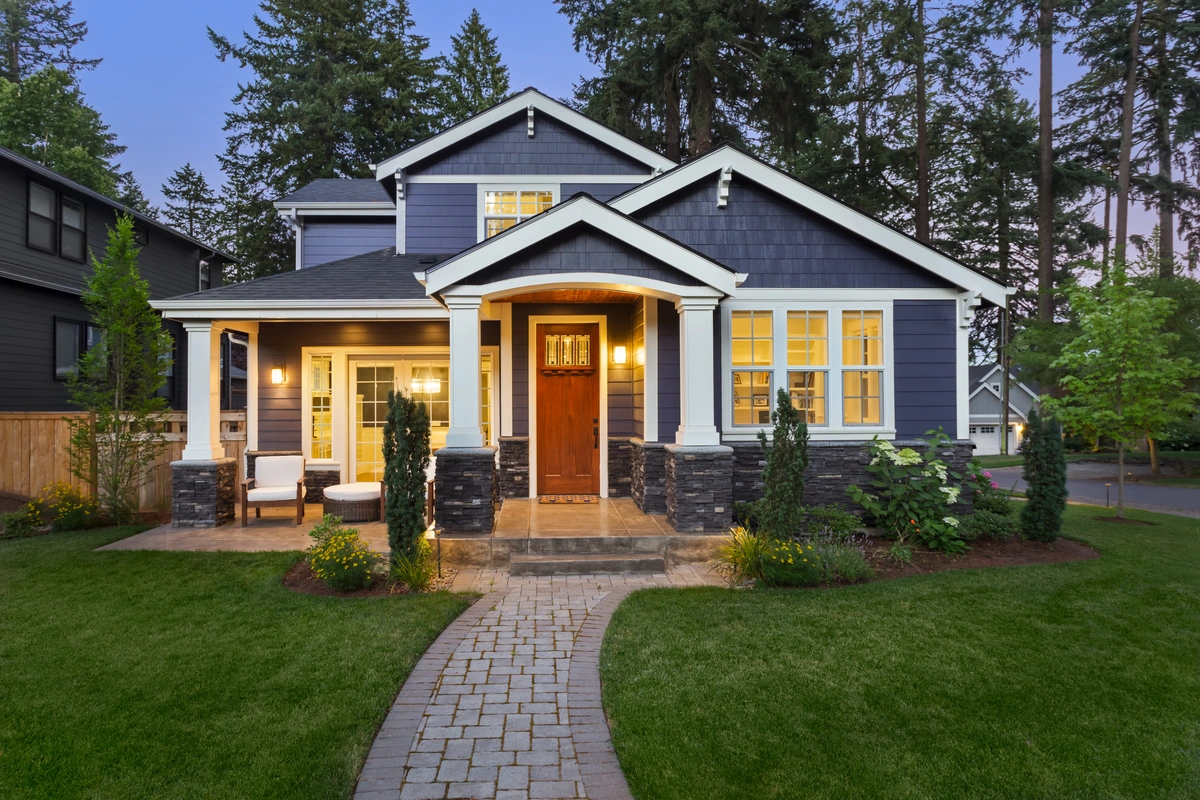
Many Long Island claims involve detached or semi-detached homes with basements, garages, yards, driveways, fences, decks, sheds, pools, and other exterior improvements. A loss may extend beyond the interior living space.

  • Roof and siding
  • Windows and exterior doors
  • Basements and crawl spaces
  • Attached and detached garages
  • Decks and stairs
  • Fences and gates
  • Sheds and detached structures
  • Driveways and exterior surfaces
  • Pools and related equipment
  • Fallen trees and landscaping
  • Personal property
  • Temporary housing

Coverage depends on the cause of loss, the specific policy, and applicable limits — not every exterior component is covered under every policy.

Seasonal and Weather-Related Property Risks

Not every Long Island claim involves coastal flooding. Inland and wooded communities may experience high winds, fallen trees, snow, ice, frozen pipes, roof leaks, and power interruptions.

Wind and Fallen Trees

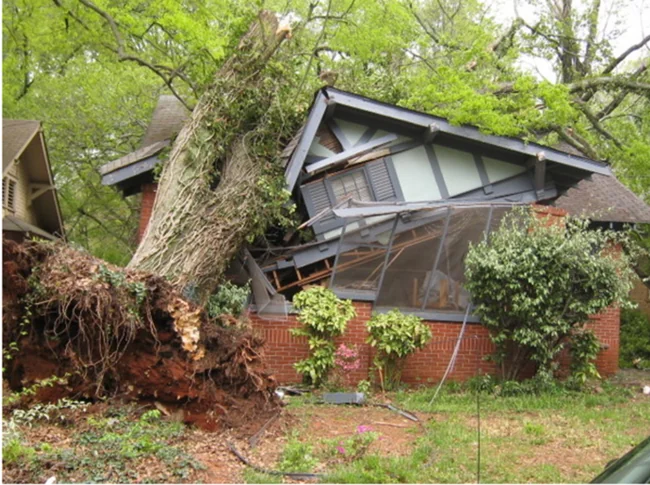
May affect roofs, siding, windows, utilities, garages, fences, vehicles, and detached structures.

Snow and Ice

May contribute to roof leaks, ice dams, blocked drainage, frozen gutters, exterior damage, and access issues.

Frozen and Burst Pipes

May damage walls, ceilings, flooring, contents, heating systems, basements, and adjoining spaces.

Power Interruptions

May affect heating equipment, sump pumps, septic-system components, refrigeration, security systems, computer systems, and business operations.

Coverage depends on the cause of loss and the specific policy; not every resulting loss is covered under every policy.

Claims Involving Seasonal or Periodically Unoccupied Properties

Some Long Island properties — particularly on the East End, the North Fork, and the barrier islands — are occupied seasonally or may remain unoccupied for extended periods. Delayed discovery can affect the extent of water, mold, freezing, theft, or equipment damage and may raise policy-condition questions.

  • Burst or frozen pipes
  • Roof leaks discovered later
  • Heating-system failure
  • Water or mold developing over time
  • Storm damage during an absence
  • Security or access issues
  • Contents damage
  • Temporary repairs
  • Policy notice and mitigation requirements

A property should not be described as vacant or seasonal without confirmation, and how vacancy or notice provisions apply to a specific claim is a policy-specific question.

Long Island Commercial Property Claims

Long Island's economy includes healthcare, biotech and life sciences, advanced manufacturing, aerospace and defense, agriculture, food processing, hospitality, retail, offices, technology, warehouses, and maritime businesses. Depending on the policy, documentation may involve the building, equipment, inventory, tenant improvements, business income, extra expenses, and temporary operating costs.
Building damage
Equipment and machinery
Office technology
Inventory and contents
Tenant improvements
Refrigeration and spoilage
Laboratory or research equipment
Manufacturing operations
Hotel and restaurant operations
Farm and winery property
Marina and maritime property
Business interruption
Extra expense
Temporary relocation
Access and utility interruption

Not every category is covered under every commercial policy; available coverage depends on the policy language and endorsements.

Claim Information for Long Island Communities

During 2020–2024, 30.7% of Nassau County residents and 24.8% of Suffolk County residents age five and older spoke a language other than English at home. Property-claim information should be clear and accessible through the website's English, Spanish, and Chinese versions.

Our Process
1
We perosnally inspect your property
2
We evaluate inventories to establish the true value of your loss
3
We serve as your direct liaison with the insurance company
4
We’ll ensure you receive the Maximum compensation
Request free claim review

Long Island Public Adjuster FAQs

What area does the Long Island page cover?
What does a public adjuster do on Long Island?
When should I contact a Long Island public adjuster?
Does homeowners insurance cover coastal flooding?
Can a property flood outside a mapped coastal flood zone?
Are all Suffolk County homes on septic systems?
Is sewer or drain-backup damage automatically covered?
Can a public adjuster assist with a waterfront property claim?
Can you help with a seasonal-home claim?
Can you assist with a condominium or townhouse claim?
Can you help with a Long Island commercial-property claim?
Is every coastal Long Island property in a Coastal Erosion Hazard Area?
Still have questions?
Get in touch with our friendly support team.
Get in touch
Don't settle for less,
Maximize your claim
Every claim is unique in its own way.
Maximize your claim settlement with Northeast Adjustment Inc.
Get Free Claim Review
Fast, hassle-free claims process.
Policyholder-Focused Representation