Hudson Valley Public Adjuster Services

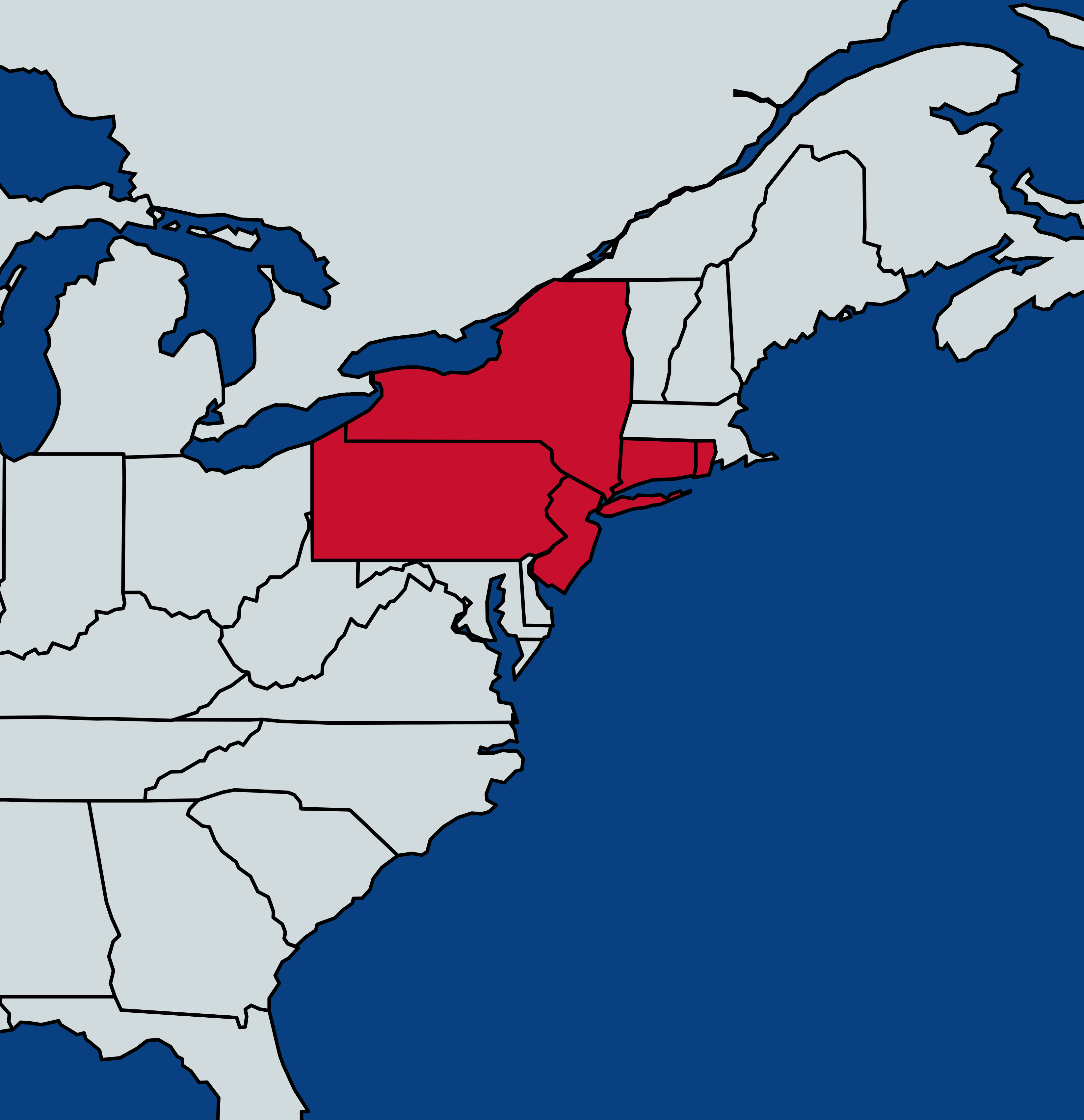
Get help documenting a Hudson Valley property damage claim. Our team understands the varied buildings, waterways, terrain, and weather conditions across Dutchess, Orange, Putnam, Rockland, Sullivan, Ulster, and Westchester counties and helps present the full documented loss.

Icon check mark
FREE onsite inspection
Icon check mark
Policyholder-Focused Claim Support
Icon check mark
Avaliable 24/7
Explore options

Public Adjuster Services Across the Hudson Valley

We assist homeowners, landlords, businesses, property managers, condominium owners, association representatives, farmers, hospitality operators, and commercial property owners across Dutchess, Orange, Putnam, Rockland, Sullivan, Ulster, and Westchester counties.

Our work may include reviewing coverage, documenting property damage, preparing supporting claim materials, and communicating with the insurance company on the policyholder's behalf.

  • Homeowners insurance claims
  • Landlord and rental-property claims
  • One-to-four-family property claims
  • Condominium and townhouse claims
  • Waterfront property claims
  • Seasonal and secondary-home claims
  • Farm and agricultural-property claims
  • Commercial and industrial claims
  • Business interruption and extra-expense claims

The Hudson Valley is part of our statewide service area. See the New York public adjuster page for every area we serve.

Our loyalty is to you, not your insurance company.
Thank you! A team member will be in touch shortly.
Oops! Something went wrong while submitting the form.
Don't settle for less, maximizing your compensation is our priority.

What Makes Hudson Valley Property Claims Different

The Hudson Valley includes dense suburban communities, river cities, historic villages, rural towns, wooded properties, farms, mountain communities, resorts, warehouses, offices, and industrial corridors. Property construction, drainage, utility infrastructure, terrain, and weather exposure can differ considerably by county and address.

River and Tributary Flooding

Properties may be exposed to the tidal Hudson River, smaller rivers, creeks, streams, lakes, stormwater runoff, or low-lying drainage areas. The source and pathway of the water must be documented carefully.

Wooded and Sloped Properties

Trees, steep driveways, hillside runoff, private roads, drainage channels, and difficult site access may affect damage documentation and repairs. Structural and geotechnical conclusions require qualified inspection.

Private Property Systems

Some homes and businesses use private wells, onsite septic systems, sump pumps, generators, oil-fired heating equipment, or private access roads. Infrastructure must be verified for the individual property.

Diverse Residential and Commercial Buildings

The region contains suburban homes, farmhouses, older apartment buildings, historic mixed-use properties, hotels, resorts, restaurants, farms, warehouses, healthcare facilities, offices, and manufacturing properties.

Hudson Valley Property Types We Assist

Different properties require different claim documentation, and Hudson Valley buildings range from historic farmhouses to modern warehouses.

Residential Properties

  • Detached single-family homes
  • Semi-detached homes
  • Two-family homes
  • Three- and four-family homes
  • Townhouses
  • Condominiums
  • Apartment buildings
  • Rental properties
  • Farmhouses
  • Historic homes
  • Riverfront homes
  • Lakefront properties
  • Seasonal and secondary residences
  • Homes with basements or crawl spaces
  • Properties with private wells
  • Properties with septic systems

Commercial, Agricultural, and Institutional Properties

  • Mixed-use buildings
  • Retail storefronts
  • Restaurants
  • Hotels, inns, and resorts
  • Offices and medical facilities
  • Schools and institutional properties
  • Warehouses
  • Manufacturing facilities
  • Farms, orchards, and agricultural properties

A residential claim may involve the building, contents, basement, well or septic equipment, exterior structures, and temporary housing, while a commercial claim may also involve equipment, inventory, tenant improvements, business income, and extra expenses.

Property Risks Across the Seven Counties

Claim concerns are not the same in every county, and flood exposure, infrastructure, and building types must be checked for the individual property.

Westchester County

Westchester contains dense suburban neighborhoods, apartment and condominium buildings, detached homes, historic villages, commercial centers, office properties, healthcare facilities, and Hudson River waterfront communities. Claim concerns may include apartment plumbing, basement water, river and tributary flooding, roof leaks, fire, smoke, wind, fallen trees, sewer or drain backups, and commercial interruption.

Rockland County

Rockland contains detached homes, townhouses, condominiums, apartment buildings, waterfront communities, wooded properties, commercial corridors, warehouses, and industrial areas. Relevant concerns may include Hudson River exposure, creek and stormwater flooding, hillside runoff, wind, trees, roof damage, basement water, power interruption, and commercial losses.

Putnam County

Putnam contains lower-density residential communities, wooded properties, lakes, reservoirs, detached homes, townhouses, seasonal properties, and small commercial centers. Claims may involve heavy rain, lake or stream exposure, private wells, septic systems, sump pumps, trees, wind, snow, frozen pipes, power interruption, and delayed damage discovery.

Orange County

Orange contains suburban communities, rural homes, farms, river and stream corridors, warehouses, distribution properties, retail centers, manufacturing facilities, and hospitality businesses. Flash flooding, stormwater runoff, tributary flooding, basement water, road-access issues, wind, trees, fire, roof damage, and business interruption may be relevant.

Dutchess County

Dutchess contains Hudson River cities, suburban neighborhoods, rural homes, farms, historic buildings, apartment properties, healthcare facilities, colleges, offices, manufacturing, and commercial corridors. Claim concerns may include Hudson River or tributary flooding, heavy rain, private wells and septic systems, winter weather, wind, trees, plumbing losses, older-building materials, and commercial interruption.

Ulster County

Ulster contains Kingston and other river communities, historic mixed-use buildings, rural homes, farms, hospitality properties, wooded areas, and communities near the Rondout, Esopus, and Wallkill watersheds. Claims may involve river or creek flooding, flash flooding, stormwater runoff, roof and tree damage, private wells, septic systems, seasonal properties, fire, frozen pipes, and business interruption.

Sullivan County

Sullivan contains rural and wooded properties, lakes, mountain communities, seasonal homes, resorts, hotels, restaurants, farms, camps, and small commercial centers. Claims may involve heavy rain, stream or lake exposure, snow, ice, frozen pipes, trees, power interruption, private wells, septic systems, delayed discovery, and hospitality-business interruption.

Hudson Valley Properties Can Flood in Different Ways

Water may enter a property through tidal river flooding, tributary flooding, flash flooding, heavy rainfall, surface runoff, plumbing failures, roof damage, groundwater, or sewer and drain backup. The source of the water may affect which policy, exclusion, or endorsement applies.

Hudson River and Tidal Flooding

May involve Hudson River tides, storm surge, high water, shoreline conditions, debris, and damage to riverfront buildings, utilities, docks, lower levels, or commercial spaces. Docks, land, shoreline erosion, and waterfront improvements are not automatically covered under every policy.

Tributary and Flash Flooding

May involve creeks, streams, smaller rivers, overwhelmed culverts, washed-out drainage channels, or rapidly rising water after intense rainfall.

Rainfall and Surface-Water Flooding

May occur when heavy rain overwhelms roads, yards, storm drains, window wells, basements, private drainage systems, or low-lying areas outside mapped flood zones.

Plumbing, Sewer, and Interior Water Damage

May involve burst pipes, appliances, sprinkler systems, roof openings, sewer backup, drain backup, or water moving between rooms, floors, units, and businesses. Property policies generally distinguish external flooding from plumbing failures, appliance leaks, sprinkler discharge, and water entering through a storm-created opening.

No conclusion should be reached about whether a particular loss is covered without reviewing the policy and the evidence. Coverage depends on the cause of loss and the specific policy, and a separate flood policy or endorsement may be required.

July 2023 Hudson Valley Flash Flooding

In July 2023, severe rainfall caused flash flooding across parts of the Hudson Valley. The hardest-hit areas received approximately 3 to 6 inches of rain, with damaged and closed roads and disruption to regional rail infrastructure.

Claim issues from an event like this can include:

  • Water entering basements and lower levels
  • Rapid surface-water runoff
  • Creek and stream flooding
  • Washed-out roads or driveways
  • Damage to retaining or drainage features
  • Water affecting electrical and heating equipment
  • Damage to contents
  • Access limitations
  • Commercial interruption
  • Mold following prolonged moisture
  • Disputes involving flood, drainage, roof, sewer, and plumbing causes

Impacts differed by county and by property. A current claim must be evaluated on its own documentation rather than on assumptions drawn from a past event.

Hudson River Waterfront Property Claims

The Hudson River is tidal through much of the covered region, and riverfront exposure varies by elevation, shoreline, nearby tributaries, infrastructure, and property construction.

Relevant riverfront communities include parts of:

  • Yonkers
  • Tarrytown and Sleepy Hollow
  • Ossining
  • Peekskill
  • Piermont and Nyack
  • Haverstraw
  • Cold Spring
  • Beacon
  • Poughkeepsie
  • Newburgh
  • Kingston

These communities do not share a single flood exposure, and a flood-zone determination requires current address-level mapping.

Riverfront claims may involve:

  • Tidal or river flooding
  • Storm surge
  • Wind-driven rain
  • Lower-level water damage
  • Electrical and mechanical equipment
  • Marinas and waterfront businesses
  • Debris and contamination
  • Access restrictions
  • Business interruption
  • Questions involving flood and property policies

Tributary and Inland Flooding Across the Hudson Valley

Significant flooding may occur away from the Hudson River. Rivers, creeks, streams, lakes, culverts, drainage channels, and low-lying roads can respond quickly to heavy rainfall.

Examples of regional waterways include:

  • Saw Mill River
  • Bronx River
  • Ramapo River
  • Wallkill River
  • Moodna Creek
  • Fishkill Creek
  • Wappinger Creek
  • Rondout Creek
  • Esopus Creek
  • Neversink River

These are regional examples only; whether a named waterway contributed to a particular loss requires property-level evidence.

Inland flooding claims may involve:

  • Rapidly rising water
  • Basement and crawl-space flooding
  • Overflowing culverts
  • Road and driveway washouts
  • Yard and surface-water damage
  • Water affecting wells or septic components
  • Damage to heating and electrical systems
  • Access limitations
  • Cleanup and remediation expenses

Private Property Systems in the Hudson Valley

Some Hudson Valley homes and businesses rely on private wells, onsite septic systems, sump pumps, generators, private roads, or other property-specific systems. The presence and condition of these systems must be confirmed for the individual address.

Private Wells

Flooding or power interruption may affect well pumps, controls, treatment equipment, water quality, and access to water. Well contamination should not be assumed without testing.

Septic Systems

Heavy rainfall, flooding, soil saturation, damaged components, or power interruption may affect an onsite wastewater system. A septic failure should not be diagnosed without qualified inspection.

Sump and Drainage Pumps

A power interruption, mechanical failure, blocked discharge, or overwhelming inflow may contribute to lower-level water damage. Coverage depends on the cause and the specific policy.

Heating and Backup Power

Frozen pipes, boiler damage, heating-system failure, generator issues, or loss of power may affect residential and commercial properties. Coverage for fuel, tanks, generators, and resulting damage depends on the policy.

Claims Involving Wooded or Sloped Properties

Many Hudson Valley properties have mature trees, long driveways, private roads, slopes, drainage channels, retaining features, or limited access.

These conditions may affect inspections, emergency work, debris removal, temporary repairs, and the documented repair scope.

  • Fallen trees and branches
  • Roof and siding damage
  • Blocked roads or driveways
  • Drainage and runoff
  • Damage to fences or exterior structures
  • Utility interruption
  • Emergency access
  • Debris removal
  • Retaining-feature concerns

Structural, slope, retaining-wall, and foundation conditions require qualified inspection, and no conclusion about cause should be reached without qualified evidence.

Historic and Older Hudson Valley Property Claims

The Hudson Valley contains older homes, farmhouses, masonry buildings, historic village properties, apartment buildings, and mixed-use commercial structures. Claims may require detailed documentation of plaster, masonry, wood flooring, roofing, windows, decorative materials, prior alterations, and matching concerns.

Building Materials and Repairs

Document damaged materials, existing conditions, prior repairs, access requirements, and the work required to restore the affected area. Repair requirements vary by property type, materials, access, permits, and the documented scope of work.

Historic Designation

A property may be individually designated or located within a local, state, or federal historic district. Historic designation must be verified for the individual property before any repair conclusion is based on it.

Seasonal Property Risks

Snow, ice, wind, fallen trees, and power interruptions affect properties across the region in different ways.

Snow and Ice

May contribute to roof leaks, ice dams, blocked drainage, damaged gutters, exterior damage, and access problems.

Frozen and Burst Pipes

May damage walls, ceilings, flooring, contents, heating systems, basements, and adjoining rooms.

Wind and Fallen Trees

May affect roofs, siding, windows, utilities, vehicles, garages, fences, and detached structures.

Power Interruptions

May affect heating systems, well pumps, sump pumps, septic equipment, refrigeration, security systems, and business operations.

Coverage depends on the cause of loss and the specific policy; not every resulting loss is covered.

Seasonal and Periodically Unoccupied Property Claims

Some rural, lakefront, mountain, resort-area, and secondary residences may remain unoccupied for part of the year.

Delayed discovery can increase water, freezing, mold, theft, roof, or equipment damage and may raise policy-condition questions.

  • Frozen or burst pipes
  • Heating-system failure
  • Roof leaks discovered later
  • Storm or tree damage during an absence
  • Mold developing over time
  • Security or access issues
  • Contents damage
  • Temporary repairs
  • Notice and mitigation questions

A property should not be described as vacant, seasonal, or unoccupied without confirmation, and how vacancy provisions apply to a specific claim is a policy-specific question.

Hudson Valley Commercial Property Claims

The region contains offices, medical facilities, retail centers, restaurants, hotels, resorts, warehouses, distribution operations, manufacturers, farms, orchards, food and beverage businesses, colleges, cultural properties, and technology or research facilities. Depending on the policy, documentation may involve the building, equipment, inventory, tenant improvements, business income, extra expenses, and temporary operating costs.
Building damage
Equipment and machinery
Inventory and contents
Tenant improvements
Office technology
Refrigeration and spoilage
Hotels and resorts
Restaurants and event spaces
Farms and agricultural property
Food and beverage production
Warehouses and distribution
Manufacturing operations
Healthcare and institutional properties
Business interruption
Extra expense
Temporary relocation
Utility and access interruption

Not every category is covered by every commercial policy; available coverage depends on the policy language and endorsements.

Claim Information for Hudson Valley Communities

The Hudson Valley contains linguistically diverse urban, suburban, and rural communities. Property-claim information should be clear and accessible through the website's English, Spanish, and Chinese versions.

Our Process
1
We perosnally inspect your property
2
We evaluate inventories to establish the true value of your loss
3
We serve as your direct liaison with the insurance company
4
We’ll ensure you receive the Maximum compensation
Request free claim review

Hudson Valley Public Adjuster FAQs

What counties does the Hudson Valley page cover?
What does a public adjuster do in the Hudson Valley?
When should I contact a Hudson Valley public adjuster?
Does homeowners insurance cover Hudson River or creek flooding?
Can a property flood outside a mapped FEMA flood zone?
Is sewer or drain-backup damage automatically covered?
Can a public adjuster help with a private-well or septic-related loss?
Can you assist with a fallen-tree claim?
Can you help with a seasonal-home claim?
Can a public adjuster assist with an older or historic property?
Can you help with a farm, resort, hotel, or commercial claim?
Is every Hudson River property in the same flood zone?
Still have questions?
Get in touch with our friendly support team.
Get in touch
Don't settle for less,
Maximize your claim
Every claim is unique in its own way.
Maximize your claim settlement with Northeast Adjustment Inc.
Get Free Claim Review
Fast, hassle-free claims process.
Policyholder-Focused Representation