Flushing Public Adjuster Services

Get help documenting a Flushing property damage claim. Our team understands the neighborhood's apartment buildings, co-ops, condominiums, mixed-use properties, homes, restaurants, retail businesses, and commercial spaces and helps present the full documented loss.

Icon check mark
FREE onsite inspection
Icon check mark
Policyholder-Focused Claim Support
Icon check mark
Avaliable 24/7
Explore options

Public Adjuster Services in Flushing

We assist Flushing homeowners, landlords, co-op shareholders, condominium owners, businesses, property managers, and commercial property owners with property insurance claims.

Our work may include reviewing coverage, documenting damage, preparing supporting claim materials, and communicating with the insurance company on the policyholder's behalf.

  • Homeowners insurance claims
  • Landlord and rental-property claims
  • Apartment and multifamily claims
  • Co-op and condominium claims
  • Mixed-use property claims
  • Restaurant and retail claims
  • Commercial property claims
  • Business interruption and extra-expense claims

Flushing is part of our statewide service area — see the New York public adjuster page for every area we serve. For information about property claims outside Flushing, review our broader property-claim services across Queens.

Our loyalty is to you, not your insurance company.
Thank you! A team member will be in touch shortly.
Oops! Something went wrong while submitting the form.
Don't settle for less, maximizing your compensation is our priority.

What Makes Flushing Property Claims Different

Flushing combines one of the densest mixed-use downtowns in Queens with apartment, co-op, condominium, and small-home neighborhoods, plus properties near Flushing Creek and Flushing Bay. Claim documentation should reflect the actual building, occupancy, and water pathway involved.

Dense Mixed-Use Buildings

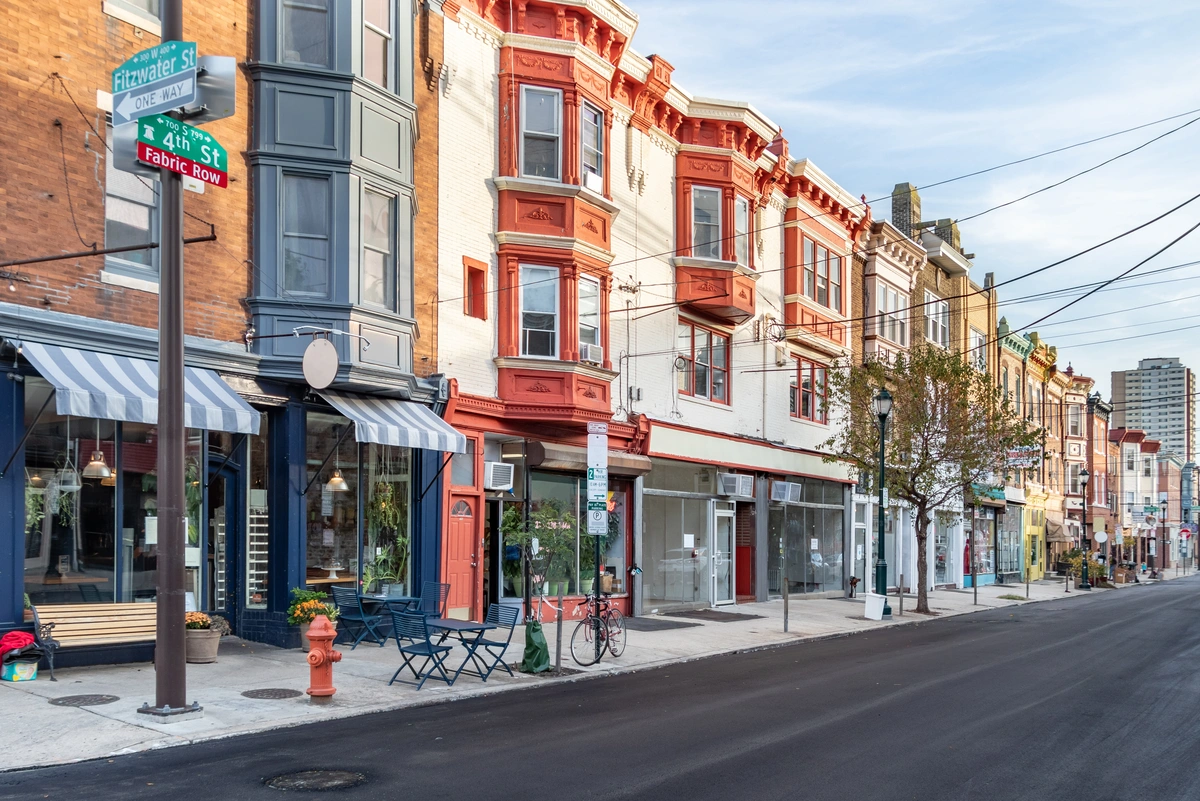
Downtown Flushing contains residential units, restaurants, retail stores, offices, medical spaces, hotels, and other businesses within closely spaced or mixed-use buildings. A single incident may affect residential units, commercial tenants, common areas, equipment, inventory, and several insurance policies.

Vertical Water and Smoke Movement

Water, smoke, soot, odors, heat, and firefighting water may move through ceilings, walls, plumbing lines, shafts, stairwells, ventilation systems, and common areas. The visible damage in one unit or storefront may represent only part of the loss.

Varied Residential Properties

Outside the busiest commercial core, Flushing contains apartment buildings, co-ops, condominiums, walk-ups, detached homes, semi-detached homes, and one-to-four-family properties. Claim documentation should reflect the actual building type rather than treating all Flushing properties as high-rises.

Creek, Bay, and Rainfall Exposure

Properties near Flushing Creek and lower-lying areas may face different water pathways than inland residential blocks. Coastal, tidal, rainfall, plumbing, sewer, and drain causes must be evaluated separately.

Flushing Property Types We Assist

Different properties require different claim documentation, from high-rise units to detached homes to restaurant kitchens.

Residential Properties

  • High-rise apartments
  • Co-op buildings
  • Condominium buildings
  • Rental apartment buildings
  • Walk-up buildings
  • Detached homes
  • Semi-detached homes
  • Two-family homes
  • Three- and four-family homes

Commercial and Mixed-Use Properties

  • Mixed-use properties
  • Retail storefronts
  • Restaurants
  • Supermarkets and food businesses
  • Professional offices
  • Medical and dental properties
  • Hotels
  • Commercial buildings
  • Warehouses and service properties
  • Waterfront or creek-adjacent properties

Residential claims may involve the unit, contents, shared plumbing, common areas, temporary housing, and more than one policy. Commercial claims may also involve equipment, inventory, tenant improvements, refrigeration, business income, and extra expenses.

Property Patterns Within Flushing

These areas describe general property patterns rather than legally defined boundaries, and claim concerns must be checked for the individual address.

Downtown Flushing and Main Street

Downtown Flushing contains dense apartment, condominium, co-op, retail, restaurant, office, hotel, medical, and mixed-use properties. Claims may involve water moving between floors, commercial interruption, sprinkler discharge, fire, smoke, equipment, inventory, refrigeration, and damage affecting several occupants.

Flushing Creek and Western Flushing

Areas closer to Flushing Creek include waterfront, commercial, mixed-use, transportation, parking, and redevelopment properties. Relevant concerns may include tidal or coastal exposure, heavy rainfall, lower-level water, sewer or drainage issues, utilities, equipment, and access limitations.

Northern Residential Flushing

Residential sections north of the downtown core contain detached homes, semi-detached homes, apartment buildings, co-ops, condominiums, and older residential properties. Claims may involve roof leaks, burst pipes, basement water, fire, smoke, wind, trees, shared plumbing, and damage to exterior property.

Southern and Eastern Residential Flushing

Residential areas away from the immediate waterfront contain houses, multifamily buildings, apartments, schools, medical properties, retail corridors, and community facilities. Relevant concerns may include intense rainfall, basement water, sewer or drain backup, roof damage, frozen pipes, plumbing failures, fire, smoke, and commercial losses.

Flushing Properties Can Experience Water Damage in Different Ways

Water may reach a Flushing property through tidal water, heavy rainfall, surface runoff, plumbing failures, roof damage, or sewer and drain backup. The source of the water may affect which policy, exclusion, or endorsement applies.

Coastal and Tidal Water

May involve Flushing Creek, Flushing Bay, high tides, storm surge, nearby waterways, debris, contamination, and water affecting lower levels. Not every creek-adjacent property is within a mapped coastal flood zone — flood exposure must be checked for the individual address.

Heavy Rain and Surface Water

Intense rainfall may overwhelm streets, catch basins, courtyards, areaways, window wells, roofs, drainage systems, and lower-level properties, including locations outside mapped coastal flood areas.

Plumbing and Interior Water

May involve burst pipes, appliances, plumbing lines, heating equipment, sprinkler systems, roof openings, or water moving between apartments, businesses, and floors.

Sewer and Drain Backup

May involve water or sewage entering through drains or plumbing fixtures. Coverage depends on the policy and whether an applicable water-backup or sewer-backup endorsement exists.

These causes are not treated identically under insurance policies. Coverage depends on the cause of loss and the specific policy, and a separate flood policy or endorsement may be required.

Heavy Rain and Lower-Level Property Damage in Flushing

Heavy rainfall can affect basements, cellars, garages, building entrances, lower-level apartments, storage areas, restaurants, retail spaces, mechanical rooms, and other below-grade or ground-level areas.

  • Surface water entering doors or windows
  • Water entering below-grade spaces
  • Drain or sewer backup
  • Roof and courtyard drainage
  • Damage to boilers and mechanical equipment
  • Damage to electrical systems
  • Inventory and contents losses
  • Restaurant or retail interruption
  • Mold after prolonged moisture
  • Disputes involving flood, sewer, roof, and plumbing causes

Whether a basement or cellar is legal, occupied, or covered is a property-level question — no conclusion should be reached without the specific building and policy information.

Flushing Creek, Flushing Bay, and Wet-Weather Infrastructure

New York City has established long-term control plans addressing combined sewer overflows affecting Flushing Creek and Flushing Bay.

During heavy rainfall, combined sewer systems may receive higher flows, but the existence of a regional overflow plan does not establish the cause of water damage at an individual property.

  • Heavy rainfall
  • Street or surface-water flooding
  • Sewer or drain backup
  • Lower-level water damage
  • Contaminated materials
  • Damage to equipment and utilities
  • Cleanup and remediation expenses
  • Commercial interruption
  • Disputes involving flood, sewer, and plumbing causes

Sewer-backup coverage should not be assumed. The building's infrastructure, cause of loss, policy language, and applicable endorsements must be reviewed — combined sewer infrastructure should not be assumed for a specific building without address-level confirmation.

Flushing Apartment and Multifamily Property Claims

Flushing contains apartment buildings, co-ops, condominiums, rental buildings, walk-ups, and mixed-use properties.

Claims may require separating damage to individual units, personal property, common areas, building systems, and commercial spaces.

  • Water moving between units
  • Shared plumbing and drain lines
  • Roof damage affecting several residences
  • Sprinkler discharge
  • Smoke migration through halls or shafts
  • Firefighting water damage
  • Common-area damage
  • Unit-policy and master-policy questions
  • Temporary housing and loss of use
  • Rental-income issues
  • Board and managing-agent documentation
  • Storefront damage below residential units

Responsibility among owners, tenants, boards, managing agents, and commercial occupants depends on the policies, proprietary lease, bylaws, association records, leases, and other governing documents — it should not be assigned without reviewing them.

Flushing Restaurant, Retail, and Commercial Property Claims

Flushing's commercial areas contain restaurants, supermarkets, food businesses, retail stores, medical offices, professional services, hotels, and businesses located below or beside residential units. Depending on the policy, a claim may involve the following.
Building damage
Equipment and machinery
Kitchen equipment
Refrigeration and spoilage
Inventory and contents
Tenant improvements
Smoke, soot, and odor cleanup
Water damage from an adjoining unit
Business interruption
Extra expense
Temporary relocation
Access or utility interruption

Not every category is covered under every policy, and no food-safety or contamination conclusion should be made without qualified evidence.

Fire and Smoke Damage in Flushing Buildings

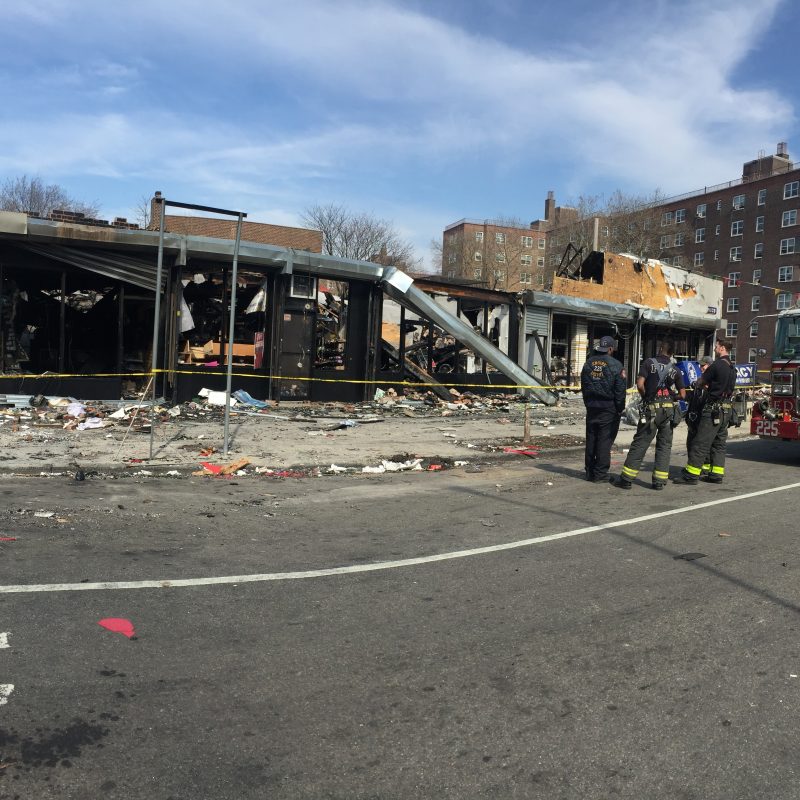
Fire, smoke, soot, odors, heat, and firefighting water may affect apartments, stores, restaurants, common areas, ventilation systems, stairwells, roofs, and neighboring businesses.

Residential Effects

May involve apartments, personal property, common areas, electrical systems, temporary housing, smoke migration, and water used to extinguish the fire.

Commercial Effects

May involve equipment, inventory, food products, tenant improvements, cleanup, access limitations, and business interruption.

Claims Involving Flushing Homes

Not every Flushing property is an apartment or high-rise.

Detached, semi-detached, and one-to-four-family homes may involve:

  • Roof and siding damage
  • Windows and exterior doors
  • Basements and crawl spaces
  • Garages
  • Fences and gates
  • Decks and stairs
  • Plumbing and heating equipment
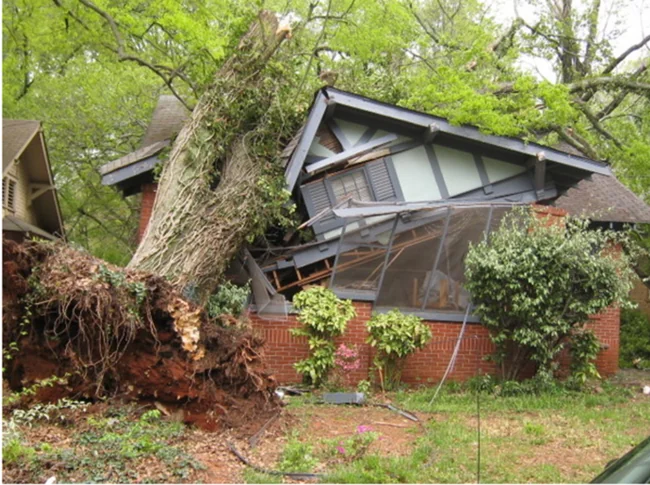
  • Fallen trees
  • Personal property
  • Temporary housing

Coverage depends on the cause of loss and the specific policy — not every exterior component is covered under every policy.

Clear Claim Information for Flushing Communities

Flushing serves residents, property owners, and businesses from many linguistic backgrounds.

The website provides English, Spanish, and Chinese versions so visitors can review property-claim information in the available language they find most useful.

Our Process
1
We perosnally inspect your property
2
We evaluate inventories to establish the true value of your loss
3
We serve as your direct liaison with the insurance company
4
We’ll ensure you receive the Maximum compensation
Request free claim review

Flushing Public Adjuster FAQs

What does a public adjuster do in Flushing?
Is this page different from the Queens public adjuster page?
When should I contact a Flushing public adjuster?
Can you assist with a Flushing apartment, co-op, or condo claim?
Can you help when water travels between apartments or businesses?
Does homeowners or unit-owner insurance cover flooding?
Can a Flushing property flood outside a coastal flood zone?
Is sewer-backup damage automatically covered?
Does a Flushing Creek combined-sewer plan prove what caused my property damage?
Can you help with a Flushing restaurant or retail claim?
Can smoke affect units or businesses away from the fire?
Do you provide information outside Flushing?
Still have questions?
Get in touch with our friendly support team.
Get in touch
Don't settle for less,
Maximize your claim
Every claim is unique in its own way.
Maximize your claim settlement with Northeast Adjustment Inc.
Get Free Claim Review
Fast, hassle-free claims process.
Policyholder-Focused Representation