
Connecticut Public Adjuster

Northeast Adjustment, INC. provides public insurance claims adjusting services across Connecticut.

We fight for maximum property damage payouts.

Icon check mark
FREE onsite inspection
Icon check mark
Policyholder-Focused Claim Support
Icon check mark
Avaliable 24/7
A+ Rating
on BBB
Better Business Bureau
Over 50+ Years of
Combined Expereince
Free consultation

Public Adjuster Services Across Connecticut

Northeast Adjustment, INC. assists Connecticut homeowners, landlords, businesses, property managers, condominium owners, and commercial property owners with property insurance claims. We review policy coverage, document property damage, prepare claim materials, and communicate with the insurance company on the policyholder's behalf.

  • Homeowners insurance claims
  • Commercial property claims
  • Landlord and rental property claims
  • Condominium claims
  • Two-to-four-family property claims
  • Apartment and multifamily claims
  • Business interruption and extra-expense claims
Connecticut Property Claims We Handle

How we document the losses Connecticut property owners report most often.

Water Damage

We document the source of the water, the rooms and materials affected, and damage that may extend beyond the area where it first appears.

Fire and Smoke Damage

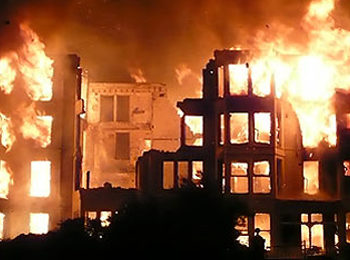
We document structural damage, smoke and odor migration, and affected finishes, systems, and contents.

Storm and Wind Damage

We document roofing, siding, window, and interior damage connected to wind and wind-driven rain.

Flood Damage

Standard homeowners coverage generally treats flood differently from plumbing or roof-related water damage, so the cause of loss and the specific policy must be reviewed.

Burst Pipes

We document the plumbing failure and the path the water traveled through walls, ceilings, floors, and contents.

Roof Leaks

We document roofing damage, interior water intrusion, affected insulation, ceilings, walls, flooring, and contents.

Sewer Backups

We document affected lower levels, contents, and cleanup needs; coverage often depends on a water-backup endorsement.

Mold Damage

We document mold conditions, the materials affected, and the water event being investigated.

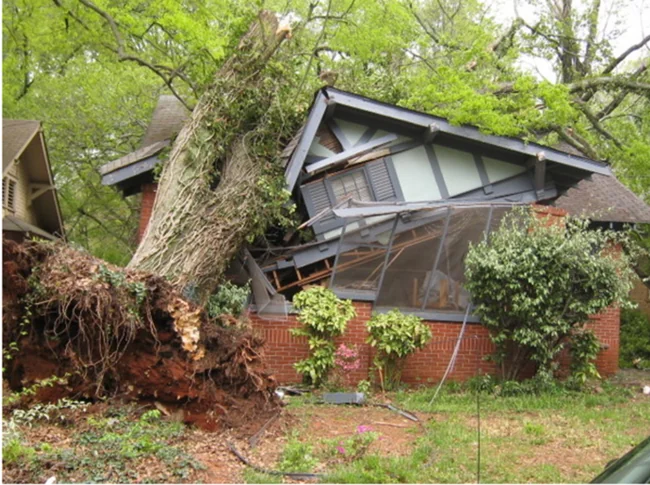
Fallen Trees

We document impact damage to roofs, siding, fences, and other structures, along with any resulting water intrusion.

Commercial Property Losses

We document building damage, equipment, inventory, and business-income impacts under the applicable commercial policy.

What Makes Connecticut Property Claims Different

Connecticut contains shoreline communities, older urban neighborhoods, suburban single-family homes, multifamily properties, river valleys, wooded rural areas, and commercial centers. The source and scope of property damage can vary greatly across the state.

Long Island Sound Shoreline

Connecticut's developed shoreline may experience coastal flooding, storm surge, erosion, high winds, and wind-driven rain. Shoreline exposure varies by elevation, distance from the water, local drainage, and the specific storm.

Older Urban Housing

Many Connecticut cities contain older homes, apartment buildings, two-to-four-family properties, and mixed-use structures. Aging plumbing, roofing, electrical systems, masonry, and shared building systems may complicate the cause and scope of a loss.

River and Flash Flooding

Connecticut contains major rivers, smaller waterways, and urban areas where heavy rain can overwhelm drainage. Flooding may affect basements, foundations, mechanical systems, contents, parking areas, and commercial operations.

Winter and Tree Damage

Nor'easters, snow, ice, frozen plumbing, high winds, and fallen trees can damage roofs, siding, utilities, and interior finishes. Loss patterns differ between the shoreline, river valleys, urban centers, and elevated inland areas.

Connecticut Property Types We Assist

  • Single-family homes
  • Two-family homes
  • Three-family homes
  • Four-family homes
  • Apartment buildings
  • Condominiums
  • Rental properties
  • Historic homes
  • Mixed-use buildings
  • Retail properties
  • Office buildings
  • Restaurants
  • Warehouses
  • Industrial properties
  • Coastal properties

Connecticut property types require different forms of claim documentation. A residential loss may involve the structure, contents, temporary housing, and adjoining units, while a commercial claim may also involve equipment, inventory, business income, and extra expenses.

Property Risks Across Connecticut

Housing, geography, and weather differ across the state — and so do property claims.

Fairfield County and Southwestern Connecticut

Properties may face coastal flooding, flash flooding, wind, fallen trees, basement water, sewer backups, and damage to older urban or high-value residential buildings. Southwestern Connecticut experienced severe flash flooding in August 2024 after parts of the region received more than 10 inches of rain within 24 hours.

New Haven and the Central Shoreline

Common claim scenarios may involve coastal storms, tidal flooding, wind-driven rain, older multifamily buildings, roof leaks, apartment plumbing, fire, smoke migration, and urban sewer systems.

Hartford and the Connecticut River Valley

Properties may experience river flooding, urban drainage problems, sewer backups, frozen pipes, winter storms, wind, fire, and water damage in older homes and multifamily buildings.

Waterbury and the Naugatuck Valley

Steep terrain, older housing, rivers and streams, heavy rain, flash flooding, winter weather, and aging building systems may contribute to complex property losses.

Eastern and Southeastern Connecticut

Risks may include shoreline storms near New London County, inland flooding, frozen plumbing, fallen trees, rural-property damage, and pyrrhotite-related foundation concerns in parts of central and eastern Connecticut.

Litchfield County and Northwestern Connecticut

Snow, ice, frozen pipes, wind, falling trees, roof leaks, runoff, and drainage problems are relevant to homes, rural properties, and commercial buildings in elevated and wooded areas.

Connecticut Water Damage Can Have Different Causes

The source of water can affect which policy provisions apply. Water from a burst pipe, damaged roof, coastal surge, river flooding, surface runoff, groundwater, or sewer backup may be handled differently.

Whether a specific loss is covered depends on the cause of loss and the specific policy.

Plumbing and Interior Water Damage

May involve burst pipes, appliance failures, sprinkler systems, plumbing leaks, or water traveling between floors and adjoining units.

Roof and Storm Intrusion

May involve damaged shingles, flashing, roof openings, fallen trees, wind-driven rain, or water entering after a storm.

Coastal and River Flooding

Standard homeowners insurance generally does not cover flooding caused by coastal surge, overflowing waterways, or surface water. Flood insurance is commonly purchased separately.

Sewer and Drain Backup

Coverage commonly depends on the policy language and whether a water-backup or sewer-backup endorsement was purchased.

Claims Involving Older and Multifamily Properties

Connecticut's urban areas contain older homes, two-to-four-unit buildings, apartment properties, and mixed-use structures. Water, smoke, fire, and mold can spread through shared plumbing, walls, ceilings, roofs, stairways, and mechanical systems.

  • Water traveling between units
  • Shared plumbing and drain lines
  • Smoke migration through common spaces
  • Fire affecting multiple apartments
  • Roof damage affecting more than one unit
  • Landlord and tenant property distinctions
  • Building policy and unit-policy questions
  • Damage to common areas and mechanical systems

Heavy Rain and Connecticut Sewer Systems

Some Connecticut cities still have combined sewer infrastructure that carries both wastewater and stormwater. Heavy rainfall can place pressure on drainage and sewer systems and contribute to street flooding, overflow events, and basement concerns.

  • Basement water and contaminated contents
  • Damage to flooring, walls, and mechanical equipment
  • Sewer or drain backup
  • Surface water entering lower levels
  • Cleanup and remediation expenses
  • Disputes involving flood versus sewer-backup causes

Sewer-backup coverage should not be assumed. The policy and any applicable water-backup endorsement must be reviewed.

Connecticut's Crumbling-Foundation Problem

Some homes in central and eastern Connecticut were built with concrete containing pyrrhotite. Exposure to oxygen and water can cause expansion, cracking, and gradual deterioration of the concrete.

Signs That May Require Investigation

  • Pattern cracking
  • Expanding cracks
  • Flaking or deteriorating concrete
  • Movement around basement walls
  • Concerns involving a home built within an affected period or region

Coverage and State Assistance

Connecticut provides testing assistance for some qualifying homeowners and has programs addressing affected foundations. A standard homeowners policy should not be assumed to cover pyrrhotite-related deterioration; each policy must be reviewed.

Connecticut Commercial Property Claims

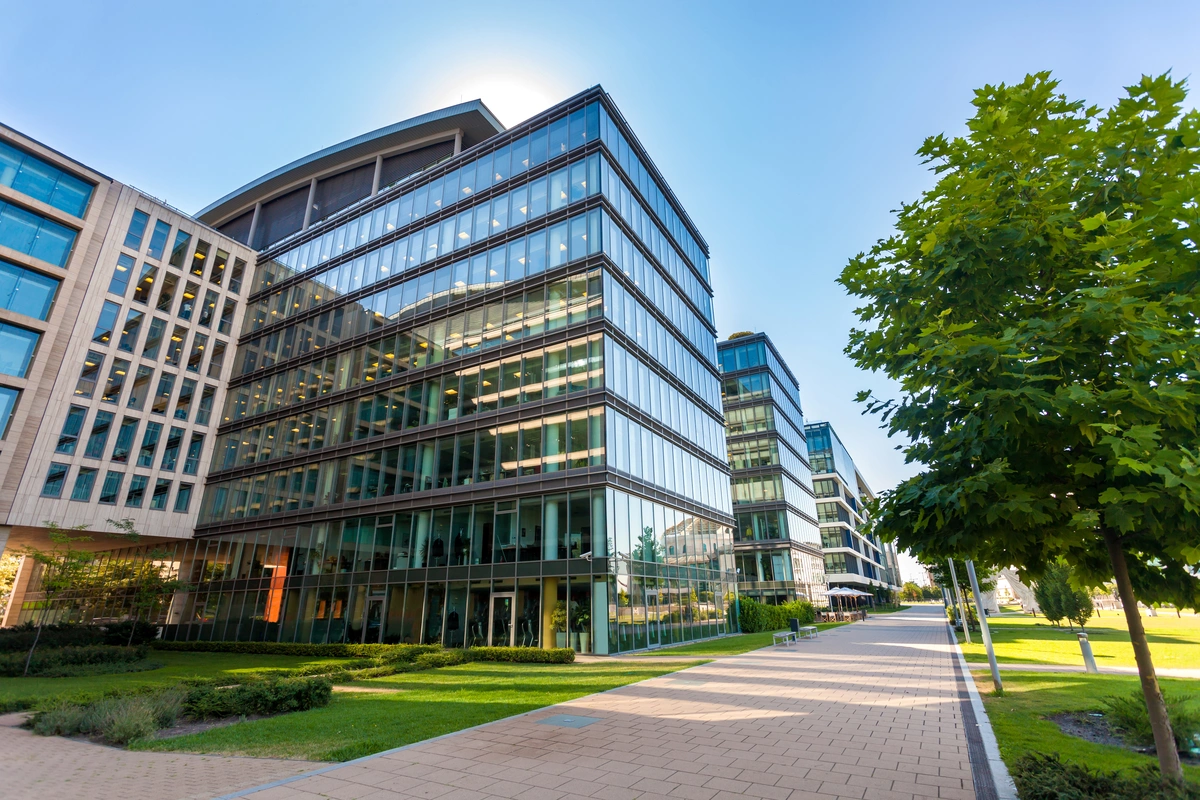
A commercial property loss may affect the building, equipment, inventory, tenants, employees, and normal operations. Depending on the policy and circumstances, documentation may also involve business income, extra expenses, and temporary operating costs.

Not every category is covered under every commercial policy; the applicable forms and endorsements control.

Building Damage

Structure, roofing, interiors, and building systems.

Equipment and Machinery

Damaged or destroyed operating equipment.

Inventory and Contents

Stock, supplies, furnishings, and other business contents.

Tenant Improvements

Build-outs and improvements in leased spaces.

Business Interruption

Income lost while operations are suspended, subject to the policy.

Extra Expense

Added costs of continuing to operate after a loss.

Temporary Relocation

Costs connected with operating from another location.

Spoilage and Power-Related Losses

Perishable goods and losses tied to service interruptions, depending on coverage.
Our Process
1
We perosnally inspect your property
2
We evaluate inventories to establish the true value of your loss
3
We serve as your direct liaison with the insurance company
4
We’ll ensure you receive the Maximum compensation
Request free claim review

From homeowners to business proprietors to corporate entities, Northeast Adjustment, INC. stands ready to advocate for you.
Need additional details? Visit our website or contact us directly for immediate help.
No items found.
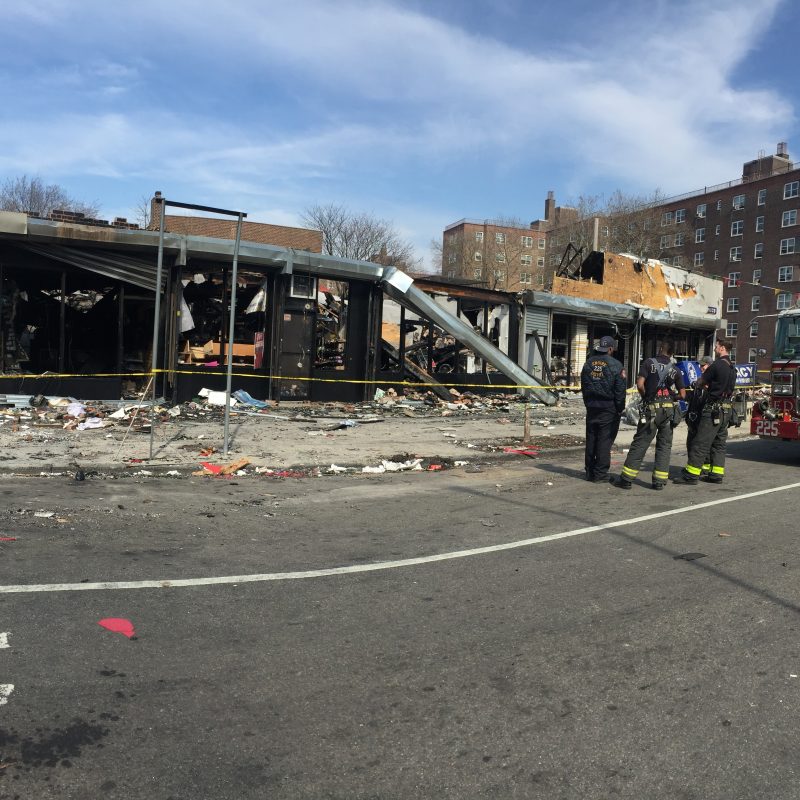
When my house burned down I didn't know what to do. I was angry and upset because my tenant, who was squatting in my house for a year right before being evicted, decided to burn down the place. I had the NYPD, fire department, random people calling me...
Bronx, NY
Gary 和 前台Lucille 还有一整个团队,想我们所想,急我们所急,在理赔期间大家都可以好好沟通,争取到我们最大金额的赔偿。经验丰富给我很好的意见和配合。可以推荐信任的理赔专员。再次谢谢他们对于我们的帮助。
Flushing, Queens, NY
All you have to do is to call him up for a status update once in a while, he is very responsive and will answer all you questions. A solid insurance policy and a solid guy like him will get you what you needs.
Flushing, Queens, NY
My house was burnt. Northeast Adjustment IC. presented my case to the insurance company. They always promptly respond to your request (especially Lucille) and get the reimbursement fund quickly. I highly recommend this company.
Flushing, Queens, NY
FAQs
What does a public adjuster do in Connecticut?
Are public adjusters licensed in Connecticut?
When should I contact a Connecticut public adjuster?
Does homeowners insurance cover flooding in Connecticut?
Can a public adjuster help with a multifamily property claim?
Is sewer-backup damage automatically covered?
Is pyrrhotite foundation damage covered by homeowners insurance?
Do you handle Connecticut commercial claims?
Can I cancel a Connecticut public adjuster contract?
Still have questions?
Get in touch with our friendly support team.
Get in touch
Our loyalty is to you, not your insurance company.
Thank you! A team member will be in touch shortly.
Oops! Something went wrong while submitting the form.
Don't settle for less, maximizing your compensation is our priority.